Early life and family roots
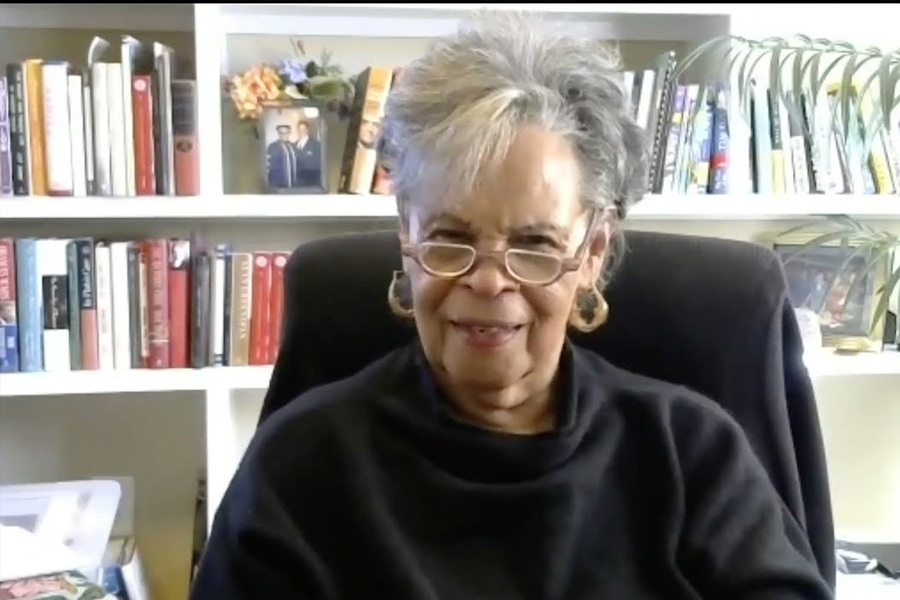
I have always been drawn to stories that begin at the intersection of genius and ordinary days. Charlene Drew Jarvis was born on July 31, 1941 in Washington, D.C., into a family whose name carried both expectation and quiet dignity. Her father, Charles R. Drew, was already a figure of breakthrough science and public service. Her mother, Minnie Lenore Robbins, anchored the household with a strong sense of education and responsibility. From that mix came a childhood shaped by curiosity, an appetite for study, and the deep presence of family.
She grew up with siblings and cousins who kept the family threads strong. Names like Bebe, Sylvia, and Charles Jr. floated through family gatherings. Aunts such as Elsie, Eva, and Nora Drew carried stories of earlier generations. Her grandparents, Richard Drew and Nora Burrell, provided the older scaffolding of values and memory. Those relationships were not just background scenery. They were connective tissue that would later surface in how Charlene honored history while forging her own path.
Education and scientific training
I think Charlene considered learning a craft. She earned a BA in 1962, an MS in 1964, and a PhD in neuropsychology in 1971. Dates look like focus-escalating milestones. Undergraduate work to doctoral research shows a mind that went from general interest to focused, rigorous brain and behavior research.
Her early career was in labs and research. Her neuropsychology training led to psychology, medicine, and community health professions. She gained scientific discipline and the language to transform difficult ideas into civic goals from that training.
Public service and political career
In my view, the most compelling pivot in Charlene Drew Jarvis life is how she moved from laboratory to legislature. She began service as an elected representative for Ward 4 on the Council of the District of Columbia on May 1, 1979. She served in that role from 1979 to 2001, a span of 22 years that witnessed the city changing in size, complexity, and stakes.
During those two decades she chaired committees, shaped housing and economic development policies, and became a recognizable presence in municipal life. She was not a figure who sought attention for its own sake. She worked within committees, negotiated budgets, and navigated the practicalities of governance. I picture her as a cartographer of public policy, drawing new boundaries where they were needed and marking paths for others to follow.
Academic leadership and later roles
Charlene became an academic leader after council. She was local university president till March 31, 2009. That position brought her back to education, albeit in administration rather than research. University management required funding, stewardship, and public representation.
Regional boards and public history activities kept her civically engaged. She constantly revisited her father’s memory and family history. Memory and mentorship were part of those public appearances, connecting past accomplishments to present duties.
Family and personal relationships
I find family trees to be living maps. Below is a clear table that introduces each immediate family member and their relationship to Charlene Drew Jarvis.
| Relationship | Name | Notes and introduction |
|---|---|---|
| Father | Charles R. Drew | Pioneering surgeon and blood-banking researcher. Central family figure whose legacy Charlene helped steward. |
| Mother | Minnie Lenore Robbins | Educator and homemaker who guided the household and emphasized schooling. |
| Spouse | Ernest Jarvis | Married to Charlene; partnership produced children and civic collaboration. |
| Children | Peter Jarvis; Ernest Jarvis Jr. | Two sons who appear in family narratives and oral histories. |
| Siblings | Bebe Drew; Sylvia Drew Ivie; Charles R. Drew Jr. | Brothers and sisters who carried family memory and public roles. |
| Aunts | Elsie Drew; Eva Drew; Nora Drew | Extended family who linked generations of the Drew household. |
| Grandparents | Richard Drew; Nora Burrell | The older generation whose lives anchored family identity. |
Those entries are not sterile labels. Each person carried stories, talents, and obligations that shaped Charlene. I imagine holiday tables where talk crossed from science to school politics to neighborhood concerns, and where legacy was both a comfort and a responsibility.
Timeline of major dates and milestones
I like timelines because they let numbers and events stand beside each other like a ledger of intent.
| Year | Event |
|---|---|
| 1941 | Birth of Charlene Drew Jarvis, July 31, Washington, D.C. |
| 1962 | Completed Bachelor of Arts. |
| 1964 | Completed Master of Science. |
| 1971 | Awarded PhD in neuropsychology. |
| 1979 | Began term on D.C. Council, Ward 4, May 1. |
| 1979 to 2001 | Served on D.C. Council for 22 years. |
| 1990s to 2009 | Served as president of a local university until March 31, 2009. |
| 2000s to 2020s | Continued civic engagement and public history work. |
Those numbers are scaffolding. What lived between them were votes, lectures, research notes, phone calls, and family conversations.
Voice and legacy
I think of canyon echoes when I think about legacy. Your influences resurface in smaller forms. Charlene Drew Jarvis embodies science and civic duty. She applied neuropsychology’s rigor to policymaking. She adapted lab precision to urban chaos.
Family was her focus. She honored her father by speaking, participating in oral histories, and updating the story. Non-vanity endeavor. It practically integrates family memory into public consciousness. She was a value archivist who also participated in governance.
FAQ
Who are the closest family members of Charlene Drew Jarvis?
Her immediate family includes her father Charles R. Drew, her mother Minnie Lenore Robbins, her spouse Ernest Jarvis, and two sons. She also has siblings including Bebe, Sylvia, and Charles Jr. Aunts such as Elsie, Eva, and Nora Drew and grandparents Richard Drew and Nora Burrell round out a multigenerational household.
What professional fields did Charlene Drew Jarvis work in?
She worked in neuropsychology as a researcher and academic, then served as an elected official on the D.C. Council from 1979 to 2001, and later held university leadership as a president through the 1990s into 2009.
When did she serve on the D.C. Council and for how long?
She began service on May 1, 1979 and served continuously through January 2, 2001, covering a period of 22 years.
What is notable about her education?
She completed a BA in 1962, an MS in 1964, and a PhD in neuropsychology in 1971, a sequence that traces a steady deepening of expertise over a decade.
How did family influence her public life?
Family shaped the story she told and the causes she sustained. Her father provided a legacy of scientific accomplishment that she preserved through public history efforts. Mothers and siblings provided daily reinforcement for values of education and service.
Are there public honors or roles beyond elected office?
Yes. She served in educational leadership as a university president, sat on regional boards, and participated in oral histories and public dialogues about science, civic life, and family legacy.
What parts of her life are still active today?
She has remained engaged in public memory projects and community events. Family members continue to speak publicly about their shared history and to keep the story alive in panels, interviews, and community conversations.