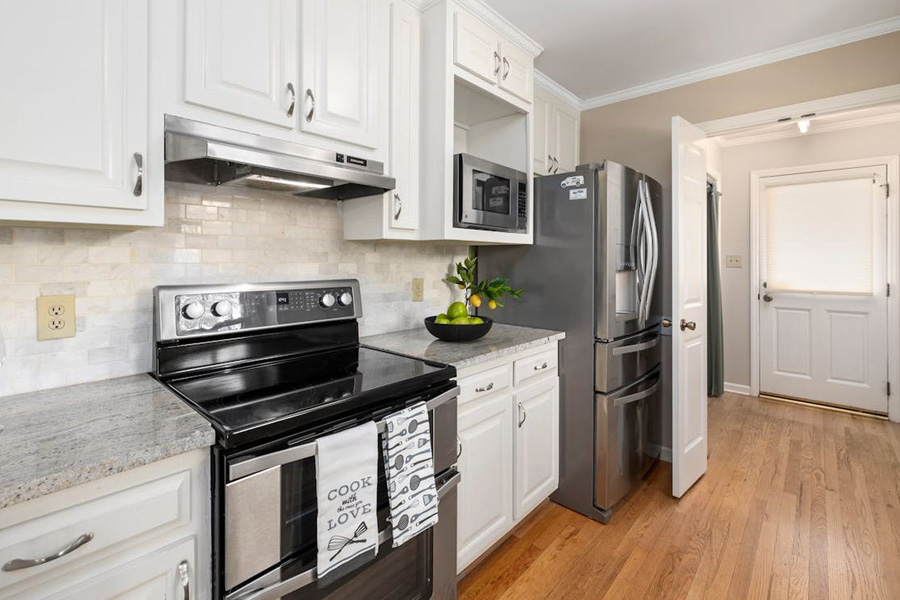
The Art of Mechanical Balance in High-End Homes
Luxury homes are like orchestras with perfectly timed appliances. Ovens heat evenly, refrigerators hum perfectly, and dishwashers run smoothly. One instrument’s failure can ruin the harmony. Specialist mechanical care is a requirement, not a luxury.
Knowledge goes beyond general fixes for precision upkeep. These systems are more complex than mass-market ones, and every portion works together like clock gears. Premium brands like Sub-Zero, Wolf, and Viking are popular in Orange County, therefore performance is expected. Homeowners use professional services that understand how slight temperature, voltage, or calibration changes might affect an appliance’s system to maintain that standard.
Proactive care maintains balance, not just symptoms. Regular inspections, accurate diagnostics, and intelligent changes maintain operation and value in high-end mechanical systems.
Decoding Precision Maintenance Beyond Basic Service
True precision maintenance involves a philosophy of mechanical awareness. Expert technicians begin not with repairs, but with listening—observing subtle irregularities in sound, vibration, or response time. It is the difference between someone guessing a note and someone tuning an instrument.
Diagnostics for luxury appliances often require advanced tools capable of measuring electrical flow, sensor response, and thermal accuracy. Unlike general service work, this process aims for pinpoint accuracy. For instance, identifying a faulty thermistor in a refrigeration system can prevent cascade failures that compromise cooling balance. Similarly, recalibrating oven settings through digital logic restores heat distribution to its designed performance curve.
Precision maintenance provides protection when done right. It prevents unnoticed efficiency loss. Regular testing keeps an appliance close to factory specs, saving energy and preventing component fatigue and malfunctions.
The Deep Interconnection of Components
A high-end appliance is not merely a collection of parts; it is a system engineered for synergy. Compressors, control boards, sensors, and fans all rely on precise timing. If one falters, others compensate until the imbalance eventually reaches critical mass.
Example: a luxury refrigerator. A tight evaporator fan, compressor, and thermostat choreography is needed. Overcooling from temperature errors can force the compressor to work overtime. This increases energy use and wear. Ovens with inefficient igniters may appear functional, but they strain electrical circuits.
Understanding these relationships is at the heart of expert maintenance. Skilled technicians treat each issue not as an isolated problem, but as an interconnected symptom within a mechanical network.
Preventive Care as Investment Insurance
Routine inspections are the most effective way to extend appliance longevity. Cleaning condenser coils, checking seals, replacing water filters, and inspecting vents seem mundane until one considers their cumulative effect. These small acts create the same result as sharpening a craftsman’s tools before each job—they prevent deterioration, improve precision, and enhance safety.
Annual or semiannual examinations often detect issues before they worsen. A slow compressor or clogged vent can be fixed quickly to restore appliance efficiency. Preventive maintenance affects home comfort and utility expenses. Well-maintained systems use less electricity, maintain consistent temperatures, and reduce residential circuit strain.
Comparable to maintaining a classic car, meticulous upkeep protects both emotional and monetary investment. When a homeowner commits to scheduled service, they secure not just functionality but reliability—a priceless asset in daily living.
Evaluating Repair and Replacement Decisions
Every appliance reaches a point where repair or replacement becomes a question of practicality. For luxury brands, this decision is nuanced. A Sub-Zero refrigerator or a Wolf range built with premium materials can often operate optimally for years with correct maintenance. Yet when extensive mechanical problems occur after a decade or more, professional assessment is necessary.
Experienced technicians analyze factors such as system age, availability of original parts, energy efficiency, and integration with current home design. Sometimes a single part replacement is sufficient to restore peak operation. Other times, a newer model offers technological and economic advantages that outweigh repair costs. Balanced evaluation prevents hasty decisions and ensures homeowners make choices that align with both long-term value and household aesthetics.
The Human Element in Precision Maintenance
Behind every successful repair is a technician whose training matches the complexity of the appliance. Factory-certified professionals bring an understanding rooted in brand-specific architecture. They know the pattern of diagnostic codes and the interaction between control modules and mechanical systems. Their expertise goes beyond replacement—it is interpretive craftsmanship.
Professional services also embody accountability through licensing, insurance, and warranty protection. These measures guarantee that homeowners receive qualified work without compromising safety or reliability. The availability of same-day repairs or emergency support further adds reassurance, especially for appliances that play daily essential roles.
Effective service requires trust and insight, like any high-precision system. A well-maintained appliance shows technical skill and dedication to its performance.
Technological Evolution in Home Mechanics
Luxury appliances have evolved into digital ecosystems. They integrate sensors, circuit boards, and communication modules that interact through software logic. Monitoring temperature, moisture, or motion is no longer manual; it is embedded in intelligent technology that adjusts autonomously.
Such developments require more sophisticated upkeep. Software upgrades, calibration resets, and firmware integrity checks maintain compatibility. Today’s technicians must understand mechanical and digital languages to optimize physical repairs using data.
As technology advances, this intersection becomes the new standard for home care. Mechanical precision now includes digital synchronization, merging craftsmanship with innovation.
FAQ
How often should high-end appliances receive professional maintenance?
Most premium appliances benefit from annual professional inspections for maximum functioning. Appliances like refrigerators and stoves may need more frequent inspections. Checkups maintain calibration, spot tiny errors early, and maintain energy utilization.
What are signs that a sealed refrigeration system is losing efficiency?
Rising internal temperatures, compressor noise, and inside panel frost are indicators. System integrity is also degraded by excessive cycling or compartment dampness. An experienced technician should check for refrigerant imbalance or airflow issues.
Why is factory certification important in repair services?
Factory accreditation guarantees brand-level expertise and approved parts for technicians. It verifies product architecture, standard procedures, and brand-specific diagnostic algorithms. Certified technicians fix systems to maintain warranty and functionality.
Can preventive maintenance affect property value?
Yes. Well-maintained luxury appliances contribute to overall home valuation. Potential buyers recognize the reliability and condition of mechanical systems as indicative of responsible ownership. Proper documentation of routine service adds tangible reassurance to prospective purchasers.
What role do genuine replacement parts play in system longevity?
Original parts maintain exact fit and operational alignment. They match the manufacturer’s specifications in voltage, durability, and safety standards. Generic components can disrupt mechanical balance or trigger cascading failures, while genuine parts preserve designed efficiency across all cycles of operation.