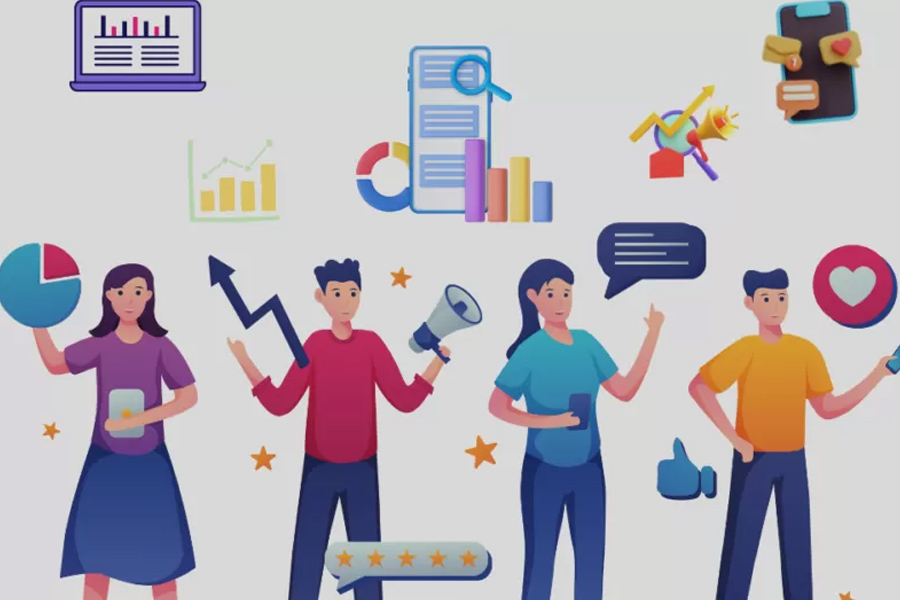
Beyond Numbers: Seeing the Story in Social Media Data
The patterns of human interaction on social media show how individuals think, feel, and respond. The surface shows clicks, shares, and likes. The causes of each reaction, an audience’s emotional pulse, and brand momentum are hidden beneath the surface. Harnessing this momentum turns social media analytics into a tool for smarter business decisions.
Businesses who use analytics as narrative rather than spreadsheets see how online sentiment matches real-world sentiment. Users’ reactions can change a brand’s social voice. Understanding these trends helps marketers create emotive and strategic content that matches audience want.
Turning Data Into Business Action
Analytics only works when it motivates. Metric dashboards are useless without interpretation and movement. The art is linking patterns with intent. Tracking content performance across channels turns each data point into a signal that can be amplified or altered.
This method clarifies marketing plans. Engagement spikes may suggest purposeful repetition of formats, while drops may suggest timing or message refining. Being responsive is crucial. Businesses that adjust rapidly to analytics establish trust and impressions. Posting, interacting, and evaluating evolves into optimization.
Emotional Analytics: Understanding Sentiment in Motion
Social media is emotional drama. Through comments, reactions, and shares, audiences express approval, dissatisfaction, comedy, and interest. Analytical chart reading becomes empathy mapping by listening to emotions.
Modern sentiment tools can interpret tone, phrasing, and context. They sort mentions into categories that reveal customer feelings—positive, negative, or neutral. This layered understanding helps brands detect early warning signs of dissatisfaction or celebrate positive waves that shape reputation. When brands respond promptly, the emotional loop strengthens accountability and authenticity.
In industries where perception drives decision-making, tracking sentiment over time uncovers long-term trends. A product may attract praise after launch but fade in trust months later. Detecting that shift allows adjustments in messaging or product support, preventing reputation erosion.
Benchmarking: Measuring Growth Against Competitors
All brands operate in congested ecosystems. A company’s social media performance can be compared to competitors. Benchmarking creates this reflection. It compares engagement, follower growth, content reach, and emotional response to peers.
This comparison shows strategic opportunities, not just scores. One competitor may struggle to connect with an audience, while another succeeds with visual storytelling. These discoveries improve unique strategies without copying. The ultimate goal is balance—learning from others while remaining unique.
Repetitive benchmarking builds an evolution timeline. Brands can track awareness growth or reductions before they become essential. Patterns of development, stagnation, or opportunity evolve over months.
Analytics in Paid Campaigns
Social media paid advertising requires precision. Analytics disciplines by linking every dollar spent to measurable results. Cost per click, conversion rate, and customer acquisition cost reveal ROI.
Campaigns improve when monitored continuously rather than only after completion. Adjusting targeting or creative content midstream can rescue underperforming ads and enhance their impact. Treating data as a living reflection of audience reaction turns advertising into an experiment—a series of hypotheses tested and refined through evidence.
Clear goals drive paid media success. Some campaigns promote awareness, others sales. Undefined outcomes make measurement meaningless. Analytics links each goal to a result, ensuring transparency and accountability.
Evaluating Collaborations and Influencers
Brand visibility has increased through online content creator relationships. Without organized analytics, partnerships are guesswork. Data on influencer reach, audience overlap, sentiment, and conversions is valuable.
Businesses benefit from considering an influencer’s followers as potential consumers, not just numbers. Smaller, more loyal communities can outperform mass audiences in engagement. Performance tracking also shows if viewers view partnerships as real or contrived.
Over time, consistent analysis builds a framework for choosing collaborations that fit brand values and yield tangible results. The blend of qualitative review and quantitative data turns influencer marketing into a science of connection.
Integrating Social Analytics With Broader Business Metrics
Social data should not be isolated. Combine it with website analytics, customer databases, and sales statistics to see the entire customer journey. Tracking a user’s click from a social post to a website purchase assesses engagement.
The integration links digital behavior and financial metrics. Managers can see how content affects sales, sentiment affects sales, and brand image affects loyalty. Cross-channel visibility improves product design, support, and strategy beyond marketing.
Using Predictive Insights To Anticipate Change
Modern analytics goes beyond history. Predictive models forecast patterns using data. Over time, trends suggest audience interest peaks, conversation drops, or market-dominant themes.
Companies may prepare instead than react using predictive information. Content strategies adapt before changes, ads match future interests, and product releases match excitement. This forward vision makes analytics a navigator, not a reporter.
Ongoing data intake and interpretation are needed for accurate projections. Machine learning systems tailored to historical patterns often provide accurate projections, but brand planning requires human judgment.
Building a Culture of Analytical Thinking
Data cannot change a company; mentality can. Creating a culture where teams use analytics combines creativity and evidence. Designers, managers, executives, and marketers must learn from numbers and patterns.
Analytical literacy training—learning metrics and using them—builds agility. Teams confidently modify plans when they can read engagement outcomes. This standardizes metrics across departments.
Data-era companies that value inquiry and experimentation succeed. They investigate cause and effect, apply findings to create new concepts, and learn from every campaign. Rather than dreading measurement, they are inspired by it.
FAQ
What is the difference between tracking engagement and analyzing sentiment?
Engagement tracking focuses on visible actions such as likes, shares, and comments. Sentiment analysis interprets the emotional tone behind those actions. While engagement shows quantity, sentiment shows quality—what users feel when they interact with content.
How often should businesses review social analytics reports?
Regular review speeds up adjustments. Weekly monitoring reveals short-term patterns, while monthly or quarterly analysis reveals long-term changes. Regular evaluation ensures goal alignment, but campaign intensity and audience activity determine rhythm.
Why is competitor analytics important in social marketing?
Competitor analytics provides a frame of reference. It reveals what audiences respond to within an industry, highlights gaps in messaging, and shows where a brand may stand out or fall behind. Understanding others helps refine strategic direction without imitation.
How do predictive insights benefit marketing teams?
Predictive insights allow preparation for upcoming trends. By analyzing past behaviors, teams can forecast when interest in certain topics will rise or decline. This foresight helps allocate resources efficiently and design content that arrives exactly when audiences are ready.
What role does integration with web analytics play?
Social analytics linked to web analytics ties engagement to form submissions and purchases. Social traffic helps businesses achieve their goals, making abstract analytics clear financially and strategically.
How can smaller businesses start using analytics effectively?
Smaller businesses can start with affordable engagement and sentiment tracking tools. Starting simple—monitoring which content performs best and why—teaches data interpretation. Businesses can add conversion tracking and predictive modeling as they learn.
What is the best way to measure the success of influencer campaigns?
Success is measured by combined indicators: reach, audience response, and resulting actions such as website visits or sales. Sentiment around the collaboration also matters. Evaluating these metrics provides a balanced view of both impact and perception.
Why must analytics become part of company culture?
When analytics influence everyday decisions, the organization acts faster and smarter. It empowers teams to adjust strategies based on evidence rather than instinct, creating consistency and continuous improvement across all digital efforts.