Reimagining Longevity Beyond Surface Beauty
A well-planned bathroom reflects intention, not just trends. The subtle promise is that design and function may coexist beautifully for decades. At first look, materials give only half the tale. Hidden craftsmanship, thought behind each junction, and durable finishes are the foundation of longevity.
Longevity begins with foundation thinking. Floors that do not buckle, walls that resist steam, and finishes that mellow gracefully instead of fading define a space that grows richer with use. Homeowners who design with this mindset are investing not just in comfort but in continuity—a room that ages with integrity rather than decay.
Layering Textures that Tell Time
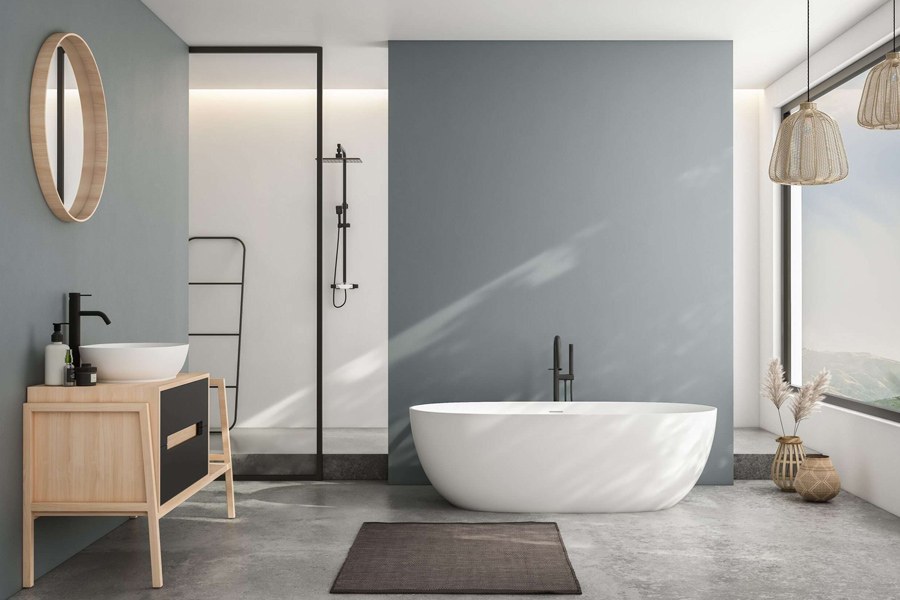
Bathrooms pulse with texture. Avoid shiny, flawless perfection and go for whispering surfaces. Matte porcelain tiles move like hand-hewn stone in different lighting. Unpolished marble with pale wood or limewashed finishes conveys natural aging’s poetic faults. This delicate touch converts durability into art.
The layering concept extends beyond walls and floors. Woven baskets, ribbed glass, and brushed metal accents provide sensory variety without chaos. A single material repeated in diverse forms—porcelain slabs on walls, mosaic variants on floors—builds rhythm that makes maintenance easier while staying stylistically consistent.
The Appeal of Weight and Craft in Fixtures
Hardware combines architecture and human touch. Touching a solid faucet or door handle conveys permanence. The steady swing of a brass lever and the cool steadiness of a stone countertop edge should inspire confidence. The tactile cues make washing and grooming more grounded.
Choosing finishes is practical and poetic. Natural patina or muted brilliance metals age responsibly and last longer. Time gives brushed nickel, antiqued bronze, and blackened brass character. Small flaws become signs of life lived rather than flaws to hide. A bathroom that honors substance’s lived-in character is its best decoration.
Light That Mirrors Nature
True endurance in lighting design comes from restraint. Fixtures need to illuminate function while sustaining atmosphere. A well-balanced scheme includes directional task lighting and soft ambient washes, but the character of that light matters most. Warm white illumination resembles candlelight on wood, a tone that flatters both skin and tile.
Lighting also has its structural discipline. Moisture-tested housings and quality coatings preserve metal integrity. Shapes cut from glass or simple opaque shells remain timeless compared with decorative silhouettes that date quickly. When lighting echoes the modest beauty of nature—like morning light over plaster—it achieves elegance without excess.
Protecting the Invisible Layers
Unseen bathroom engineering distinguishes short-lived remodels from lasting craftsmanship. A network of waterproof membranes, vapor barriers, and drainage slopes controls moisture behind every tile. Neglecting them is like drawing a masterpiece on wet paper.
From this hidden choreography comes material stability. Cement boards, waterproof sealants, and precision-cut drain assembly prevent years-late failures. These technologies reward foresight with decades of peace of mind without visual attention. A durable bathroom beautifully handles moisture.
Furniture That Resists Time While Welcoming It
Vanities and cabinetry are most bathrooms’ tactile core. They must combine handcrafted warmth and technical durability to last. A sealant-treated marine-grade plywood or solid oak vanity looks good in damp situations. Quality workmanship is evident when drawers move smoothly after years of use.
Storage design helps preserve. Air circulation from floating vanities reduces humidity. Integrated bins and detachable liners facilitate cleaning. Each design choice creates a silent maintenance agreement between beauty and durability.
Meanwhile, countertops define the functioning heart. Quartz remains a top contender due to its refinement and resilience. Its delicate sheen lasts, its solidity resists stains, and its simplicity matches numerous design eras.
Small Details, Big Lifespan
Longevity is often overlooked. Grout color affects maintenance more than most realize. A mid-tone color hides water marks and wear, while contrasting grout adds pattern but requires care. Every surface investment is protected by quietly humming ventilation systems that remove moisture that can decay finishes.
The same principle applies to door seals, shower frames, and even mounting screws. Stainless fasteners, high-grade silicone caulking, and purposeful spacing between joints create the minute details that turn a project from fragile to formidable. Each of these practical elements adds invisible years to a bathroom’s life.
Designing for Evolving Use
Spaces evolve with lives. These transitions are tastefully supported by durable materials. Slip-resistant flooring, lever handles, and adjustable lighting prepare a bathroom for every stage of use without a renovation.
Both adaptability and resilience require foresight. When constructing a bathroom for long-term happiness, consider how use patterns may change as children grow older, guests visit more, or owners want spa-like serenity. Durable design handles these changes easily.
Beyond Style: The Emotional Life of Durable Design
Durability is not just a technical measure but an emotional one. People are drawn to rooms that age with them. A bathroom that looks slightly different every year—its metal softer, its wood deeper in tone—reflects personal history. This sort of endurance has a soul, a quiet testimonial to both maker and dweller.
Allowing patina and subtle wear to become part of the narrative does not mean neglect but acceptance that perfection is fleeting. A tile that softens around the edges, a light fixture that develops a mild hue variation—these traces create intimacy. In the end, the most enduring design does not resist time; it collaborates with it.
FAQ
What are the most reliable materials for a moisture-prone bathroom?
Porcelain tiles, quartz countertops, and solid brass fixtures remain consistently reliable. Each withstands high humidity without compromising structural or aesthetic integrity.
How can lighting enhance durability?
Moisture-rated fixtures with sealed housings prevent corrosion and electrical failure. Positioned strategically, they reduce the need for frequent replacements while establishing flattering light balance.
Is natural wood practical for bathrooms?
Yes, if handled correctly. Sealed hardwoods or plywood cores perform well when kept away from constant water exposure. Proper ventilation ensures the material maintains its form over the years.
Why does texture matter in a long-lasting bathroom?
Texture hides slight wear while adding depth. Matte surfaces, subtle patterns, and tactile finishes age better than smooth, high-gloss materials that reveal every flaw.
What maintenance habits extend the life of a bathroom?
Regular cleaning with pH-balanced products, prompt resealing of grout lines, and yearly checks of caulk joints keep moisture from finding weak points. Small efforts build lasting resilience.
How can durability align with aesthetic goals?
Timeless design avoids ornamentation driven by fleeting trends. When each element—tile, metal, or light—follows the same visual language of simplicity and texture, strength and style merge effortlessly.