Designing Spaces That Breathe with Change
A beautifully aging house is like a wind-bending tree. It must be stable but adaptable. Modern families’ rhythms are unpredictable, thus single-purpose design is no longer viable. They must breathe, change, and adapt alongside people.
Today, a home may serve as headquarters, classroom, and sanctuary all at once. The challenge lies in designing with elasticity so that function never feels forced. Movable walls, convertible furniture, and smart wiring are no longer luxuries; they are survival tools in spaces that must meet multiple demands in one day.
A huge room used for birthday parties might become a work and play zone. A large hall might become a reading nook. Houses that are built with forethought anticipate life’s changes rather than reject them.
The Foundation of Flexible Architecture
Architectural foresight is not prediction. Creating frameworks that adapt naturally. Beginning with the skeleton—load-bearing walls strategically placed to free up space. Replace swinging doors with sliding ones. Install ceiling grids for new lighting.
A flexible house also needs layered utility. Electrical panels with extra capacity prepare for future tech upgrades. Plumbing stubs tucked behind walls allow a room to become a bathroom later. Even modest forethought can save thousands in renovation costs when life takes a turn.
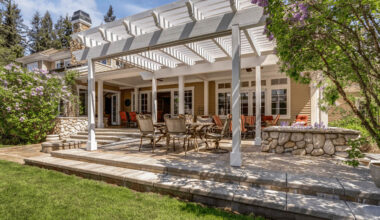
Outdoors, the same principle applies. A simple patio can evolve into a screened sunroom or outdoor kitchen. Think of each building component as a chess piece poised for its next strategic move.
Function Meets Form Through Subtle Design Moves
The easiest way to update interiors is with neutral design. Design a room for many personalities instead of one. Modular shelving, pale walls, and understated materials give homeowners creative freedom when lifestyles change.
Flexibility’s master switch is lighting. Dimmer switches turn a bright study into a relaxing bedroom. Layered kitchen and living room lighting adjust to work and evening. A technical characteristic shapes each space’s spirit.
Even soundproofing, often an afterthought, safeguards peace as family needs intersect. Walls lined with acoustic panels or layered drywall can prevent chaos when multiple activities overlap. It is both a physical and emotional buffer inside busy homes.
Smart Systems that Think Ahead
Homes’ most forward-facing modifications are often hidden. Each switch, circuit, and data port can make life easier in a hyper-digital environment. The idea is to softly integrate intelligent systems into ordinary life, not a gadget museum.
Structured wiring for Ethernet and power backup keeps remote work steady. Programmable thermostats adapt to seasonal changes while conserving energy. Smart sensors detect leaks or air quality shifts before they become disasters. These improvements support not only convenience but also resilience in uncertain conditions.
Energy planning sits at the heart of modern home longevity. Insulating attics, sealing air leaks, and installing energy-efficient windows do more than lower bills. They build comfort buffers that make homes self-reliant during outages and extreme temperatures. Solar panels paired with battery storage offer continuity when the grid falters, creating independence that fits the rhythm of a home designed to thrive long after the contractors have left.
Preparing for Multi-Generational Comfort
Single-family households are eroding. Many families are learning to delicately share spaces between generations. A guest room may become a parent suite, and a play area may host college study sessions.
Accessibility now defines thoughtful design. Wider doorways, minimal-step entrances, and lever-style handles welcome all age groups. Bathrooms with walk-in showers or dual-height countertops support autonomy for everyone. A house that respects accessibility from the start avoids expensive remodeling down the road.
Zoning helps multi-generational households without being noticed. Dual entries or discreet partitions allow privacy-preserving sharing. Split HVAC zones provide comfort for different tastes. It’s quiet architectural diplomacy that balances independence and unity.
Outdoor Transition Spaces
The edges of a home often hold its greatest potential. Porches, terraces, and garages can double as transition zones between comfort and adventure. Covered patios can shift roles through the seasons, transforming into dining areas, art studios, or small gyms.
Garages need attention too. Storage pits can become usable home extensions with insulation and a robust overhead door. Treat them as legitimate living spaces. A sealed, temperature-controlled, well-lit garage expands creative and work space.
Outdoor structures also serve resilience purposes. Pergolas can hold solar panels, and shaded zones help regulate temperature. Water management systems hidden beneath decks can harvest rainwater. These touches turn exterior spaces into sustainable partners for the interior ecosystem.
Incremental Upgrades that Shape the Future
Many homeowners feel future-proofing demands big investments. The method works best in layers. Adding insulation today, rewiring a room next year, and replacing fixtures with adaptable ones can make a home more agile.
Controlled lighting circuits, multi-purpose cabinetry, and app-connected door locks add usefulness without clutter. Compounding is powerful when each adjustment improves future flexibility rather than momentary trends.
Think of your home as a living document, always in revision. Every small change should keep it relevant, efficient, and steady regardless of who lives there next or how technology evolves.
FAQ
What is the first step in future-proofing an existing home?
Assess first. Identify structural flaws, wiring or insulation inefficiencies, and outmoded layouts. Before cosmetic modifications, prioritize flexible improvements like multi-use areas and electrical upgrades.
Are smart home systems essential for long-term adaptability?
Highly valuable but not necessary. Good smart systems decrease manual work, monitor safety, and optimize energy use. Integration is better than accretion; a few stable systems outperform the house of disjointed devices.
How can small homes maintain flexibility without losing comfort?
Thoughtful furnishings and spatial zoning give smaller spaces versatility. Sliding doors, loft beds, foldable workstations, and modular shelves optimize space. Spaces feel less restricted with good lighting and vertical design.
What role does sustainability play in future-ready homes?
Sustainable means long-lasting. Energy-efficient insulation, renewable energy, and water-saving technology save money and the environment. A sustainable home adapts without waste or unnecessary upkeep.
How can outdoor design contribute to adaptability?
Outdoor living spaces increase capacity. Activities that crowd indoor areas benefit from a covered patio or renovated garage. Weather-resistant materials and sufficient coverage make these zones practical for changing lifestyles.
Is it cost-effective to plan for multi-generational living in advance?
Yes. Early accessibility and privacy options save retrofit costs. Planning for more plumbing lines, bigger doorways, or soundproofed walls helps avoid costly and unpleasant upgrades.
What simple upgrades offer the highest impact for long-term utility?
Dimmers, outlets, insulation, and programmable thermostats provide immediate and future benefits. These elements simultaneously boost comfort, safety, and energy efficiency.