Evaluating the Architectural Role of Your Staircase
A staircase is far more than a route between floors. It can echo the home’s personality and act as a sculptural centerpiece. When planning a transformation, consider the balance between form and function. Lighting, material resonance, and spatial flow intertwine, creating an experience rather than a passage. A redesigned staircase frames the home’s rhythm, letting movement and light interact naturally.
Refreshing the look is most homeowners’ first goal. Beyond aesthetics, structure and safety can be improved. Assess the framework before adding modern parts. New handrails or spindles can update a tired design and make it timeless.
Modernizing Through Component Integration
Component-based renovation allows you to tailor updates to match your home’s architecture. Instead of a full rebuild, selective replacement lets each element contribute its own narrative.
Newel posts help anchor and define character. A historic staircase can be modernized with sleek, squared profiles. Every ascent requires a tactile railing that meets aesthetic and ergonomic criteria. Oak and ash provide durability and comfort with every grasp.
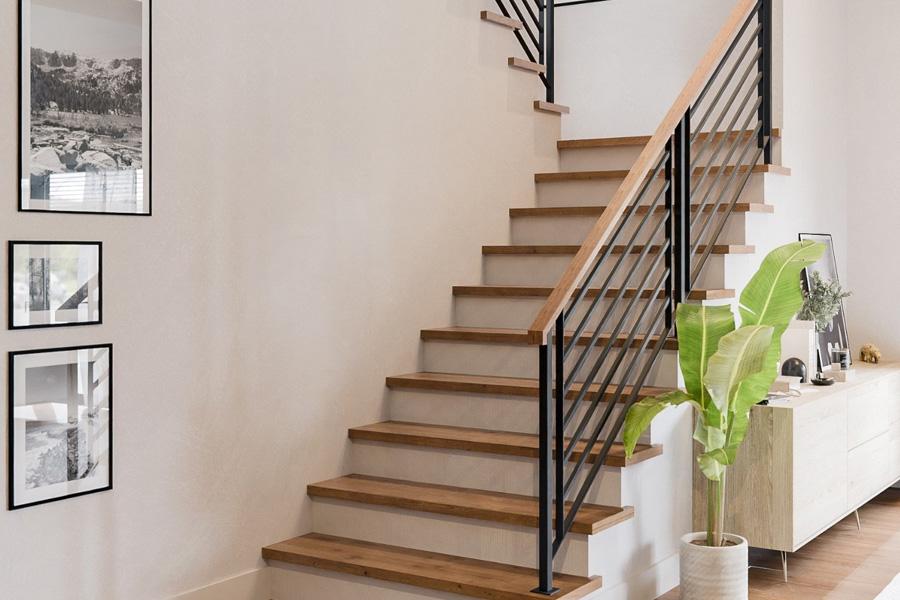
Spindles remain the bridge between safety and artistry. A staircase dressed with vertical metal pieces or frameless glass panels replaces visual heaviness with movement and light. Their rhythm creates a sense of symmetry that merges practicality with sculptural beauty.
The Surface Story: Crafting Emotional Connection Through Material
Wood is warm and historic. Touch, age, and craftsmanship are welcome. Different woods have different vibes. Pine is ideal for families who want to stain or paint. Strong oak symbolizes trust and tradition. Each year of use gives it texture and integrates into its surroundings.
In modern homes where minimalism reigns, alternative materials expand the design language. Stainless steel or chrome accents can mirror urban style. Glass introduces transparency, opening up small hallways and dissolving visual boundaries. When combined with wood, these mixed materials form a dialogue between old-world craftsmanship and modern lightness.
Hidden Layers: Detailing Below the Surface
Behind every elegant staircase lies silent strength. Treads and risers, often overlooked, shape structural rhythm and comfort. The width, height, and pattern of steps dictate how naturally people move. Upgrading them with solid wood cladding adds visual depth and improves resilience. MDF remains common for risers, yet hardwood finishes bring sophistication even to utility areas.
Cladding old stringers and adding quality cushion beads breathe new life into aging frameworks without demanding demolition. The unseen craftsmanship behind these refinements is what separates professional results from amateur attempts. Correct installation safeguards longevity and ensures surfaces remain stable against daily wear.
Design Harmony and Spatial Influence
Your staircase interacts with space like language does with tone. It can increase openness or intimacy. Choosing components that match room architecture creates harmony. In a minimalist home, a wood balustrade may be overwhelming. Glass fences in a rustic farmhouse may feel separate. The key is synergy.
Curved or bullnose steps offer graceful transitions between architectural layers. They lend an almost theatrical touch to entryways. When guests arrive, these details announce the home’s personality with poetic care. A rounded edge functions far beyond aesthetics—it softens perspective, directing movement organically.
Light and Transparency as Structural Elements
Modern interiors emphasize light. Balustraded staircases are now transparent with glass systems. Modern-looking toughened glass panels fulfill safety regulations. Brackets or rails on the sides provide strength without blocking views.
Through transparent portions, polished railings reflect natural light on floors below. Material-light interplay produces a dynamic presence throughout the day. Such minor impacts can make open-plan homes feel spacious despite space constraints.
Sustainability and Craftsmanship Standards
Selecting materials responsibly goes beyond ethical preference. Sustainable timber practices ensure the longevity of forests and preserve artisan traditions. Slow-grown European oak or responsibly harvested pine demonstrate how beauty and conscience can coexist. Durability translates directly into environmental efficiency; the longer the parts last, the fewer resources are consumed over time.
Manufacturing quality matters too. Installation is safer with precision joins, smooth lacquer finishes, and pre-cut measures. A staircase’s creativity rests on its visible and hidden aspects, how each piece interlocks like lines in a poem.
Planning Installation and Cost Efficiency
Strategic renovation breaks jobs down. Replacing visible pieces first improves aesthetics and structural integrity. This staged strategy reduces interruption and gradually invests. Pre-cut kits ease process control and allow confident DIY when skillful.
Material selection affects costs. Pine is cheap and ready to paint. Oak is more expensive, but its longevity and elegance make up for it. Consider the hidden savings: a durable renovation can prevent costly repairs later.
Safety and Compliance at Every Step
All staircase renovations must meet regulations. Proper handrail height, spindle spacing, and structural load capability protect residents and craftsmen. Not compromising these norms in the home. Trusted load testing kits remove self-measured installation ambiguity.
Safety merges technical precision with artistry. A beautifully curved rail or glass insert should never compromise stability. The harmony of regulation and design ensures stairs remain both expressive and secure.
FAQ
What designs work best for smaller spaces?
Open balustrades or glass panels lessen visual blockage in small spaces. Light-colored woods like ash reflect ambient light, making them appear larger. Newel posts with minimal clutter add depth without weight.
How can lighting accentuate a staircase renovation?
Integrated lighting under railings or treads provides detail and drama. Warm LEDs emphasize wood grain or glass texture, guiding movement and increasing architectural shapes. A basic set of steps may become a nightly display of form with light.
Should reclaimed timber be considered for a renovation?
Reclaimed wood reveals history and fortitude. The warmth and charm are unmatched by new stock. When properly treated and sealed, it reduces waste and conserves resources while looking good.
What is the difference between traditional and contemporary handrails?
Traditional handrails emphasize curvature and detailed carving. They often pair with ornate turned spindles. Contemporary versions favor angular profiles and smooth finishes using metals or glass. Both approaches can be combined harmoniously to achieve hybrid design results.
Can staircase renovations improve home value?
Well-done renovations boost appeal. Style and craftsmanship attract buyers. Attention to detail and structural reliability are indicated. Whether through material upgrades or current layout changes, such improvements generally demonstrate ROI.