Appreciating the Local Environment
Jackson, Mississippi’s trees thrive in a zone that demands respect for balance. The city’s humid subtropical climate ushers in heavy rainfall and high humidity throughout summer, followed by stretches of mild winter. While this can nurture vibrant growth, it also tests the durability of each tree’s root system and bark. Overly saturated soil suffocates oxygen flow, while dry spells pull essential moisture from the clay-heavy ground beneath. Success in tree care is rooted in understanding these contrasts.
Clay soil is stubborn, so gardeners must be patient earth sculptors. Compost loosens texture and adds microorganisms that promote absorption. Living Oaks and Bald Cypress suit Jackson’s temperament. They tolerate changes and reward attention with long lifespans and vast canopies.
Too much water drowns roots, too little and they reach upward instead of deeper into the soil. Trees thrive when homeowners listen to the soil’s silence after rain and watch how water lingers or drains.
The Practice of Pruning for Longevity
Pruning should be a regular maintenance practice. Storms in Jackson tear through neighborhoods and damage vulnerable branches. Trimming regularly strengthens structure, prevents breaking, and maintains growth cycles.
Late winter and early spring are best for pruning most species. Dormancy speeds wound healing as sap flow resumes, making trees resistant to summer pests. Removing sick branches restores sunlight and air to the shaded interior canopy, preventing rot and mold.
A wise hand knows restraint. Aggressive topping or uneven cuts disrupt natural branch patterns and invite decay. Instead, selective pruning should enhance balance, like an artist refining a sculpture without distorting its form. For properties filled with native trees, pruning also promotes harmony between upper foliage and the plant life below, ensuring every leaf receives its share of light.
Guarding Against Disease and Pests
Tree illness often arrives quietly—first in discolored foliage, then in subtle bark lesions, until entire limbs fade. Jackson’s ecosystem is rich and diverse, but pests such as emerald ash borer and pathogens like oak wilt can sweep through unmonitored stands with swift devastation.
Preventive care works far better than panic response. Proper mulching stabilizes soil temperature and wards off both drought stress and fungal threats. Balanced fertilization replenishes nutrients leached away by rainstorms. Encouraging predatory insects such as ladybugs creates a miniature army of defenders against aphids and beetles.
Integrated Pest Management (IPM) focuses on sustainability. Soil testing before chemical applications ensures homeowners do not overuse treatments that inadvertently weaken trees or harm helpful organisms. Vigilance is key—inspect leaves and trunks regularly, looking for signs of change rather than catastrophe. In the long life of a tree, intervention timed with precision can mean survival through decades of southern storms.
Preparing for Extreme Weather Events
Jackson’s weather can turn fierce without much warning. Tropical remnants spin across counties, and winter’s sudden ice can fracture even the strongest limbs. Preparation before these events is not only prudent—it is essential stewardship.
In strong winds, canopy aerodynamics reduce stress. Deadwood removal, dense section thinning, and crossed limb repair prevent branches from clashing. Before each storm season, tree owners should examine stability. Exposed roots or trunk fissures indicate fragility that needs professional attention.
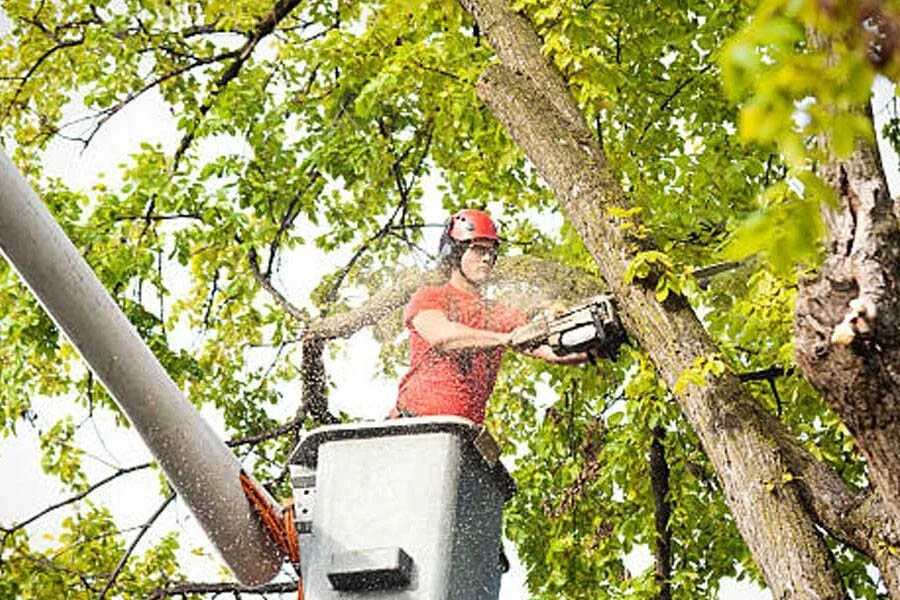
After storms pass, the recovery process requires calm and expertise. Fallen trees entangled with live electrical wires pose fatal risks, and untrained attempts at removal can cause further damage. Professionals equipped with climbing gear and chainsaws restore order safely. Timely cleanup is not just aesthetic—it reduces breeding grounds for insects and diminishes chances of secondary infections that attack compromised bark.
Each recovery phase fits the care rhythm. As Jackson neighborhoods rebuild after severe weather, well-maintained trees absorb wind and shelter homes with their woven branches.
Choosing Qualified Tree Care Specialists
Choosing a tree care specialist protects your landscape. Arborists with insurance and certification know biology and local laws. They spot illness early, create species-specific pruning programs, and understand how city rules effect removal or planting.
Reliable specialists communicate structurally at each site. Clean workspaces, clear estimates, and scheduling transparency show professionalism. Property owners can avoid unexpected fines and compliance concerns by knowing Jackson’s municipal codes.
The experience and customized service of family-owned businesses sometimes span generations. A reliable staff avoids costly mistakes when pruning mature trees or grinding stumps after removal.
Proper selection keeps property values secure and neighborhoods safe. A tree service with strong local ties understands the landscape’s nuances—the interplay between moisture, soil, and root resilience—and translates this knowledge into practical care routines.
FAQ
How often should trees receive professional pruning?
When pruned every 3–5 years, most varieties thrive. Fast-growing or high-risk specimens may need annual inspection. Timed pruning strengthens frameworks and reduces storm damage. A custom schedule synchronizes growth and protection in mixed-species landscapes.
What indicators reveal a potential tree disease?
Look for fading leaves outside their natural seasonal pattern, bark splitting, or unexpected growths near the trunk’s base. Mushrooms or fungal structures often suggest internal decay. Yellowing foliage, loss of vigor, and uncharacteristic thinning are early whispers of distress. Timely consultation prevents widespread deterioration.
Can homeowners safely remove trees situated near power lines?
No. Such removal carries severe danger and may violate local codes. Power lines can arc or snap under pressure from falling limbs. Utility companies should always be contacted first. Licensed professionals possess the insulated equipment and mechanical hoists required for safe extraction in these conditions.
What actions should be taken after a tree collapse during a storm?
Safety precedes cleanup. Stay away from fallen structures, especially those touching electrical systems or leaning unexpectedly. After securing the area, call tree care experts to assess the damage, remove debris, and check nearby trees for secondary fractures. Prompt response reduces risks and property damage.
Are regulations in Jackson applicable to tree removal?
Yes, several districts have tree species protection and removal/replacement ordinances. Jackson’s canopy and ecological sustainability are protected by these rules. Before making large alterations, local officials or a tree service versed with such restrictions guarantee compliance.