The New Office Identity
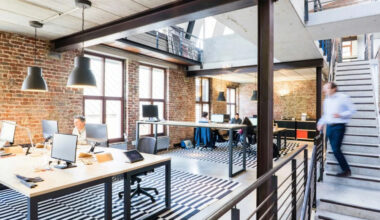
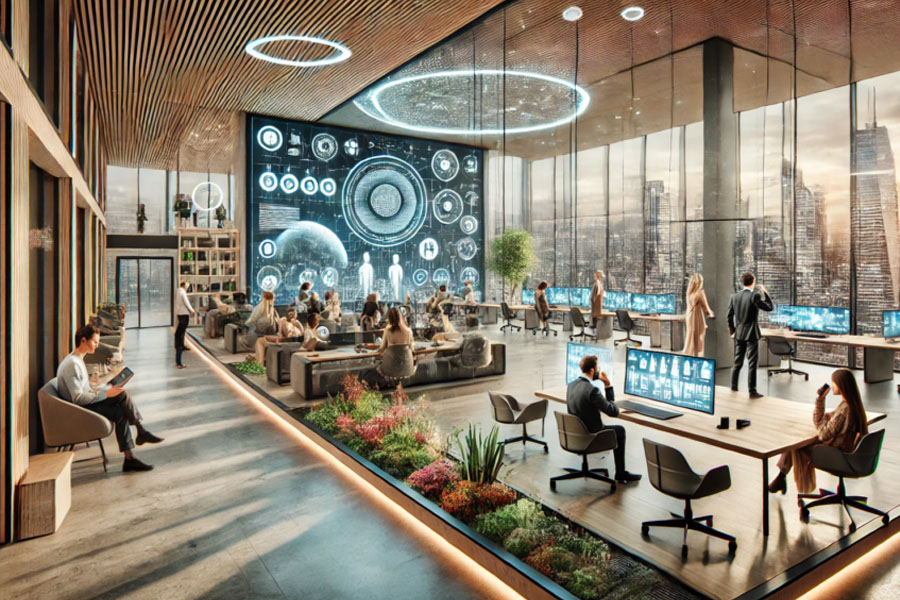
The modern office is evolving beyond a simple location for work. It has become a living system that adapts to employees’ routines, fosters collaboration across digital boundaries, and nurtures well-being. The shift from traditional office designs to hybrid ecosystems reflects a deeper change in how organizations view both space and people. An effective office today is not about square footage; it is about connection and continuity.
In this climate of transformation, physical space is no longer static. It breathes with activity and purpose, adjusting to changing team rhythms and priorities. Companies that once measured efficiency through attendance now measure it through engagement. The workplace has become an active participant in business strategy, shaping relationships, ideas, and performance.
Designing for Fluid Collaboration
Flexibility underpins efficiency now. Fluid collaborative workspaces promote spontaneous conversation and movement. Interior design now emphasizes creativity over corporate conformity. Multipurpose rooms replace set meetings. Desks become movable stations, and calm pods coexist alongside busy collaboration spaces.
Adaptability gives such offices life. When employees may select how and where to work, they own their workplace. A flexible workspace aids autonomy. Slide-out panels, mobile furniture, and moveable acoustics make reconfiguration easy. This structural flexibility reflects modern teams’ fluidity.
The hybrid office also welcomes technology without allowing it to dominate the experience. Screens, cameras, and interactive boards become tools for connection rather than distractions. The physical and virtual layers of collaboration merge so seamlessly that employees rarely notice the boundary. The result is an atmosphere of inclusion where ideas flow freely regardless of geography.
The Science of Intelligent Spaces
Despite the human-centered approach, technology quietly shapes the workplace. Intelligent systems, invisible but omnipresent, adapt workplaces automatically. Environmental sensors control air quality to focus. Daylight and human movement trigger lighting systems to create soothing patterns that match nature.
Workspace optimization relies on AI. Predictive algorithms analyze occupancy and energy use to self-regulate facilities in real time. Meeting rooms recommend times based on team availability. Heating and cooling systems adjust to expected traffic. Efficiency is now built into the building, not just monitored.
Technology bridges physical gaps in hybrid teams, promoting inclusion. HD cameras catch minor speech gestures. Augmented reality lets distant participants roam around meeting spaces. This interplay between pixels and physical presence gives the office digital empathy. Each participant, near or remote, has equal discussion access.
A Workplace Designed for Well-being
A truly modern office acknowledges that well-being is not ornamental but essential. The health of one employee ripples through a team, affecting mood, motivation, and momentum. Ergonomic design provides the physical foundation for comfort. Chairs that encourage movement, adjustable desks, and thoughtful spatial proportions reduce strain and elevate productivity.
Equally important is psychological grounding. Natural light, greenery, and quiet spaces promote restorative focus. Soundscapes that blend gentle background noise with moments of silence allow concentration to flourish. These environmental factors are more than amenities; they are catalysts for human potential.
Beyond design, culture plays a defining role. Managers trained to monitor not just deadlines but emotional climates help sustain balance in hybrid settings. Offices dedicated to well-being often include wellness zones where short meditations or stretches fit naturally between calls. The architecture itself whispers invitations to pause. In this rhythm of breath and productivity, employees rediscover the joy of purposeful work.
Sustainability as Core Practice
Sustainable workplace innovation is no longer optional. It’s integral to design ethics and operational strategy. Forward-thinking offices manage materials, energy, and waste wisely. Recycled furniture, low-emission paints, and energy-efficient lighting show responsibility.
Sustainability can be improved by digital systems. Smart meters monitor energy use in real time to reduce waste. Rainwater collection, vertical gardens, and renewable energy synergies alter corporate buildings.
Sustainability gives meaning to the notion of corporate citizenship. As organizations refine their environments, they signal respect for ecological continuity. A sustainable office tells a story of resilience: that business success and environmental stewardship can thrive in harmony.
Leadership and Cultural Adaptation
Cultural evolution is needed for physical change. Leaders must guide teams through changing routines and expectations. Clear communication helps employees understand hybrid model logistics and purpose. Leaders architect and tell stories that unite the company around flexibility and trust.
Transparency fosters company culture. Teams that voice their demands can shape the workplace. Feedback loops between facility management and staff enable iterative development. Participative design builds loyalty and creativity by replacing top-down design with collective authorship.
To sustain such a culture, organizations need rituals that preserve cohesion. Weekly in-office days anchored by collaboration, mentoring, or communal meals can strengthen bonds that remote tools alone cannot replicate. The modern office, therefore, becomes a social anchor in a networked world.
Equity and Access in Hybrid Design
Hybrid ecosystems must consider equity. Not all employees find remote or in-office work easy. Others may thrive on social energy or lack home offices. Inclusivity starts with policies and settings that acknowledge individual diversity.
Flexible technology stipends, quiet spaces for concentration, and collaboration hubs level the playing field. Shared childcare and accessible transit in offices encourage involvement. Equity-built offices show an organization’s ethics.
Such inclusivity should extend into digital environments. Virtual meetings designed with clear accessibility standards ensure that all voices are heard. The architecture of fairness becomes the moral blueprint of the hybrid era.
Measuring the Human Impact
Performance indicators have become experience indexes in the hybrid workspace. Companies use pulse surveys, space utilization analytics, and sentiment tracking to measure engagement. Data feedback loops improve layout, technology, and policy decisions.
Quantitative results often reveal subtle stories. A rise in meeting room usage may indicate a cultural turn toward collaboration. A drop in noise complaints might signal the success of acoustic redesigns. The deeper insight lies not in data points but in the emotions they represent. Offices that measure and adapt through empathy ensure long-term vitality.
FAQ
How can smaller companies afford to build hybrid workspaces?
Reconfiguring rather than rebuilding can help smaller organizations start. Modular furniture and multipurpose rooms are flexible and affordable. Technology investments can expand with teams.
What role does design play in employee retention?
A well-designed workspace communicates respect. When employees feel comfortable and supported, they are less likely to leave. Design influences everything from morale to collaboration, making it a quiet yet powerful lever for retention.
Are hybrid offices suitable for all industries?
Few sectors can fully embrace a hybrid model, but most can contain hybrid aspects. Flexible scheduling, digital integration, and redesigned collaborative zones assist manufacturing, healthcare, and education even when on-site presence is needed.
How do hybrid offices enhance creativity?
Employees can choose their thinking environment in hybrid spaces. Some ideas come from solitude, some from group work. Diverse settings foster creativity by encouraging different thinking.
What challenges come with implementing smart technology?
Integrating technology demands careful management of data privacy, costs, and maintenance. Over-automation can erode the sense of human connection. The best approach maintains technology as a supportive layer rather than a controlling entity.