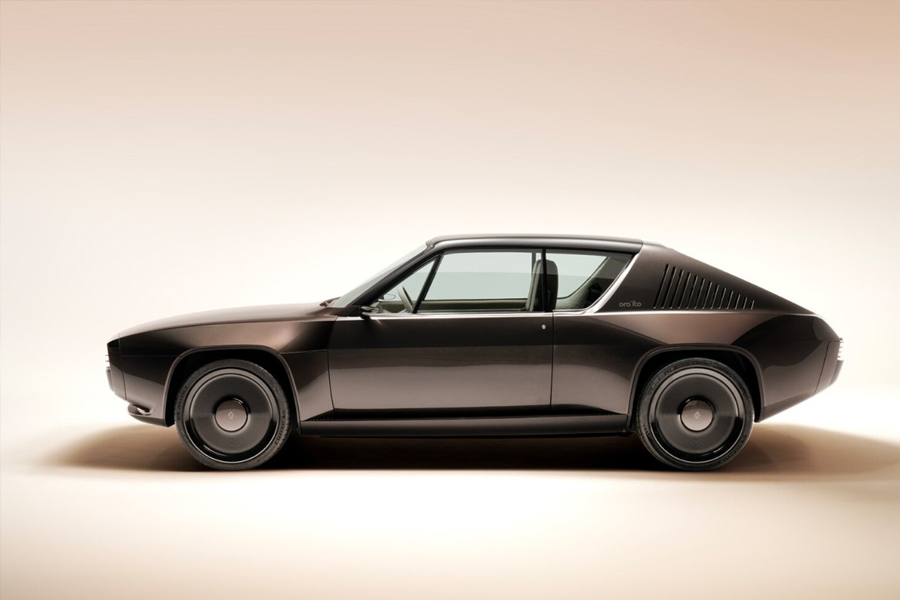
A Moving Reflection of Lifestyle
Modern travelers are transforming what it means to take a road trip. The trend no longer centers solely on destinations; it has evolved into a deeper expression of selfhood on the move. Vehicles now mirror the souls that operate them, representing values, creativity, and a yearning for autonomy. This phenomenon reflects how individuals are shaping both the aesthetic and functional aspects of their rolling homes to tell stories that static homes never could.
A car or van once represented a practical purchase, an object of necessity. Today it operates as a companion, a symbol of personality undertaken through road travel. Whether someone adds modular storage for long expeditions or fine-tunes lighting for nighttime atmosphere, the detail itself signals intention. What used to be an accessory has transformed into identity through craftsmanship and emotional consistency.
Function Meets Sentiment
Personalization means more than attaching a flavor of luxury or minimalism. It is a dialogue between need and meaning. Travelers retrofit their vehicles to handle off-grid independence, long stays in nature, or climates that challenge comfort. Solar panels, compact water systems, and versatile bedding formats have redefined mobility. Practicality blends into ritual, because each design decision becomes a reflection of belonging within the limited square footage of the mobile space.
Sentiment transcends structure. Like writers who structure sentences for rhythm, travelers shape their vehicles to preserve experience. Every drawer handle, insulated wall, and color scheme reflects use. A utilitarian choice frames the many windshield-viewed sceneries in memory.
The Emergence of Rolling Homes
The global pulse has altered toward an appreciation of mobility as sustenance. Remote work, environmental awareness, and self-sufficient living have encouraged nomadic models that mix home comfort with travel. This leads to an intriguing paradox: permanence within motion. The steel structure conveys what feels immovable – a person’s sense of home — across ever-changing horizons.
Matching rooftop boxes, modular tables, and delicate decals are micro-personalizations for some. Others do comprehensive conversions, curating every inch for daily living. Tiny kitchens, baths, temperature control systems, and sleeping lofts prove that creativity thrives in constrained spaces. Cost is not the difference, but intention. A little change that increases comfort on a rainy night can feel like a rebuild.
Design as Identity
This rise in customized travel reflects a design shift. Like other creative fields, individualism trumps bulk conformity. Modern drivers turn mechanical objects into living habitats using architecture or art ideas. Visuals—muted tones, natural textures, reclaimed wood accents—show values better than words.
The notion of symbolic ownership takes form through the smallest badges of personalization. From unique license plates to interior graphics that chart previous routes, every choice illustrates the traveler’s evolving identity. The same vehicle that once moved one from city to city now testifies to a chaptered life. It carries laughter, solitude, and triumph in its upholstery fibers, reflecting its owner’s evolving narrative.
Shared Knowledge and the Roadside Community
Individuality drives the movement, but community maintains it. Travelers discuss usefulness, safety, and inventiveness online and offline. An informal guild of mobile inhabitants has formed through video tours, chat boards, and pop-up events. These contacts break exclusivity. Collaboration has made a specialized hobby widespread.
A mechanic may advise a new builder on installation, or a van liver may discuss cold-night insulation. Knowledge sharing drives innovation while keeping focus practical rather than performative. Each problem conquered yields new designs that motivate future travelers to improve the craft.
Longevity Beyond Destination
Many who adopt rolling lifestyles keep their customized cars longer than expected. The attachment transcends economic logic once outfitted with personal rituals. Metal shells hold memories of many adventures. Surfboard corner damage or mountain gravel bumper dents are sentimental.
This makes resale seem impossible. Replacing a car erases memory. It now represents identity continuity, not efficiency. As miles and stories accumulate, casual change becomes emotional commitment.
The Psychological Thread Behind Creation
The customization surge intertwines with human psychology. People nurture significance through participation in creation. This principle, rooted in craftsmanship pride, explains why self-built vans and modified sedans feel more gratifying to their owners. By directly shaping the objects they depend on, travelers confirm agency.
Each decision interacts with emotion. A handmade shelf might look minor but validates purpose during travel. The act of crafting draws ownership out of abstraction and into tangible proof of effort. Once the object of travel becomes linked with self-expression, it stops being temporary equipment and instead becomes a traveling mirror reflecting the maker’s ambition.
The Aesthetic of Functionality
A new design vernacular has arisen from this phenomenon. It marries aesthetic pleasure with raw performance. Smooth surfaces conceal storage. Convertible layouts expand at dawn and fold by dusk. Sustainable materials reduce waste while maintaining warmth. The ideal interior satisfies the dual appetite for visual appeal and durability.
In this hybrid of style and survival, beauty becomes a tool rather than a decoration. Lighting arrangements offer both serenity and safety. Compact tools look sculptural yet serve vital duties. Travelers learn that balance between refinement and ruggedness defines true artistry on four wheels.
A Broader Symbol of Autonomy
This customization trend goes beyond visual creativity to express cultural aspirations. People want control over their lives, autonomy over their environment, and a natural rhythm that static lifestyles obscure. Personal vehicles symbolize freedom and independence.
Through carefully shaped contours and deliberate color choices, travelers transform mobility into self-definition. Owning such a moving space defies the transient nature of modern life by instilling permanence through personality. Roads become corridors of identity, where movement does not erase memory but extends it.
FAQ
Why are travelers increasingly customizing vehicles instead of relying on traditional travel options?
Customization meets comfort and autonomy needs. Personalized vehicles let tourists indulge in their adventures while keeping familiarity and control over space and style, unlike hired accommodations or packaged tours.
How does personalization affect sustainability?
Thoughtful customisation stresses renewable energy, reused materials, and waste reduction. Solar panels, recyclable textiles, and efficient design let owners travel sustainably, balancing adventure and environmental responsibility.
Do smaller upgrades make a real difference for travelers?
Even modest improvements such as additional storage or insulation dramatically affect comfort. Small enhancements optimize experience within confined space, reducing daily friction while contributing to long-term satisfaction.
Why do many people retain modified vehicles for years?
Emotional attachment plays a central role. The vehicle accumulates memories, functioning as a physical diary of exploration. Selling it would feel equivalent to parting with a piece of personal history that no new model can replace.
What role does online community play in this growing trend?
Digital forums and social media promote learning, mentoring, and creativity. These venues allow experienced and novice passengers to share ideas and improve designs without geographic restrictions.
How do personalized vehicles shape perceptions of modern living?
They question permanence and status. Comfort and originality can thrive in motion with custom automobiles, encouraging a flexible lifestyle where home, business, and leisure are one moving roof.
Can personalization motivations differ across demographics?
Yes. Some pursue customization for budget-conscious practicality, others for artistry or environmental concern. While their motives vary, the unifying goal remains to create a mobile space that reflects inner values and desired lifestyle balance.
What future innovations might influence this movement?
Advances in lightweight materials, modular interiors, and alternative power sources could refine efficiency and creative freedom. Smart technology integration will likely evolve customization further, blending digital versatility with handcrafted authenticity.