A comfortable home depends on more than just a working furnace. Good airflow throughout the house helps the heating system operate efficiently and maintain steady indoor temperatures. When airflow becomes restricted, small performance issues can begin to appear.
Homeowners may notice uneven warmth, longer heating cycles, or rising energy costs without realizing what is causing them. These signs can indicate that the system is not moving air as effectively as it should. The following article explores five common clues that airflow conditions may be affecting furnace performance.
1. Some Rooms Feel Warmer Than Others
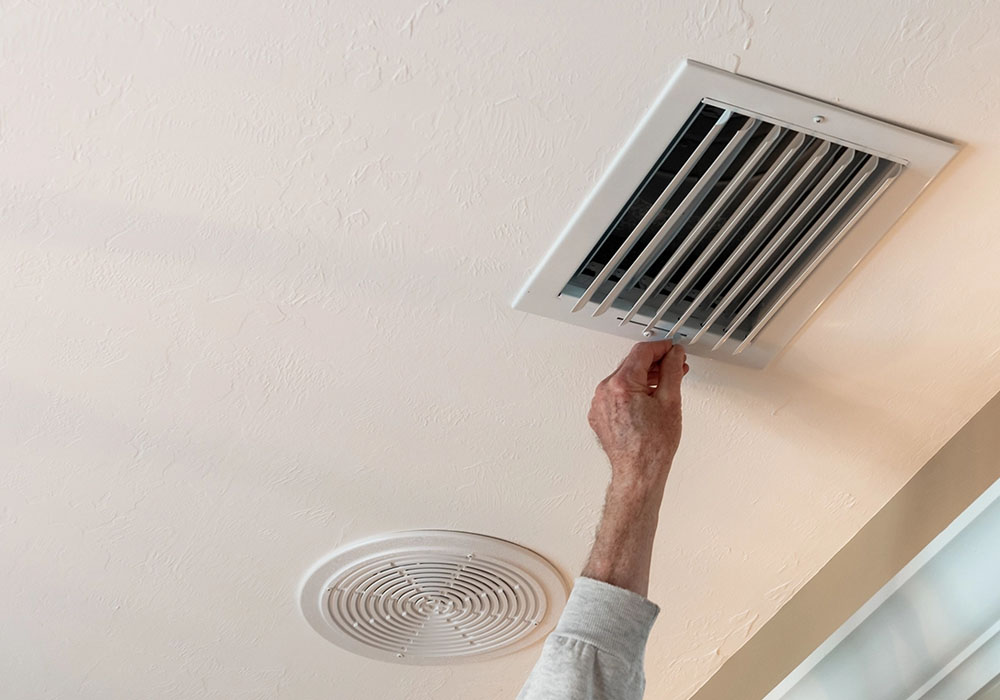
One of the most noticeable signs of an airflow problem is uneven temperatures throughout the house. You may find that one room feels warm and comfortable while another stays cooler for no obvious reason. This difference can occur when cold air return vents are not supporting balanced air circulation.
A furnace depends on a steady flow of indoor air to heat and redistribute it properly. When that airflow becomes limited, some areas receive less warmth than others. As a result, maintaining a consistent temperature throughout the home becomes more difficult.
What Homeowners May Notice
- Certain rooms stay cooler than the rest of the house.
- Temperature differences become more noticeable during colder weather.
- The thermostat setting feels accurate in one area but not in others.
2. Heating System Runs Longer Than Usual
A properly functioning heating system should reach the desired temperature within a reasonable amount of time. If the furnace appears to run longer than it used to, restricted airflow could be part of the reason. When air does not circulate efficiently, the system has to work harder to distribute warmth throughout the home. This extra effort can lead to longer operating periods and reduced efficiency. Over time, homeowners may notice that comfort levels take longer to achieve than they once did.
3. Energy Bills Rise Without Any Reason
An unexpected increase in energy costs can sometimes point to airflow-related concerns. When a heating system works harder to maintain indoor comfort, it may consume more energy than necessary. Although several factors can affect monthly utility expenses, airflow restrictions should not be overlooked. If household habits have remained the same but heating costs continue to rise, it may be worthwhile to have the system evaluated. Proper air movement helps the equipment operate more efficiently and maintain consistent performance.
4. Less Air Coming Through the Registers
Warm air should flow steadily from the registers throughout the home. If the airflow feels weaker than usual, it may indicate that air circulation is being restricted somewhere within the system. In some cases, cold air return vents may not be allowing enough indoor air to move back through the heating system. This can reduce the amount of conditioned air delivered to living spaces. Even if the furnace is operating normally, weaker airflow can make rooms feel less comfortable.
A Professional Inspection Can Reveal the Real Cause
Heating issues do not always have an obvious source. While uneven temperatures, weak airflow, and longer heating cycles may seem like separate concerns, they can all be connected to the way air moves through the system. A professional inspection helps identify the exact cause and provides a complete picture of the system’s condition. Technicians evaluate airflow, inspect key components, and look for conditions that may affect performance. Their findings help homeowners understand what is happening and determine the most effective solution.
Good airflow plays an important role in keeping a heating system efficient and reliable. When circulation becomes restricted, homeowners may notice changes in comfort, energy usage, and overall system operation. Recognizing these signs early can help prevent unnecessary strain on heating equipment. A professional assessment can ensure the entire system continues to support comfortable indoor temperatures throughout the season.