Plumbers and homeowners across Australia will agree that dealing with a clogged sewer is the stuff of nightmares. When the clog is relatively close to the surface, it’s reasonably easy to deal with. A good plunge or a jet blast from your plumber is often all that’s needed to get things moving again.
However, this scenario changes dramatically when the blockage moves further down the pipe toward the main sewer line. This causes sewage to build up in the pipe, and before you know it, your drain is overflowing. This is usually the point at which most homeowners call the emergency plumber Sydney residents rely on.
Know What Signs to Look for
In most instances, the drain or sewer line doesn’t become blocked to the point of overflowing from one day to the next. This means that there will usually be signs that something is brewing long before you’re dealing with a huge mess. Our plumbing team have shared the top signs that every homeowner should keep an eye out for.
1. All Your Drains Are Slowing Down
There’s no need to assume that a slow drain in one area is a cause to assume you have a blocked sewer line. Keep in mind that your kitchen sink could be draining slowly because there’s trapped grease near the surface. A slow drain in your shower could just be a hair clog.
The trick here is to test all your drains at the same time. Slowly open each tap and observe what happens. If multiple drains have a slow drain, this may be an indication of a blockage. Rinse all the drains with hot water to see if this removes any small clogs that may be the issue.
2. Listen for that Horrific Gurgle
Another clear sign that you may be dealing with a problem in your main sewer line is that dreaded, horrific gurgling sound. ( We refer to this sound as horrific because we just know it means trouble) This sound is a physical manifestation of air that’s trapped due to a partial block in the sewer line. Usually, this happens as water is trying to get around the blockage.
In addition to a gurgling sound in the kitchen drain or the shower, Australian homes also have a “glug-glug” sound that sometimes comes from the floor waste in the laundry or the toilet. This means that it’s a good idea to reach out to your plumber sooner rather than later.
3. Foul Sewer Smells
One of the main functions of a working sewer system is to keep sewer gases from coming into your home. However, when a main sewer line is clogged, raw sewage sits dormant in the pipes, unable to flow away. As this waste starts decomposing, it releases methane and hydrogen sulfide. This is the reason for the sudden rotten egg odour you may be smelling in your home.
In instances where the blockage is severe, you may even smell this odour in your backyard or when you open windows. Keep in mind that hot, humid temperatures can make the odours more prominent and overwhelming.
4. Overflowing Gully Traps
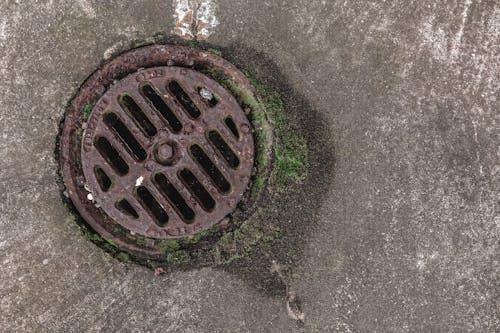
All Australian homes are fitted with an Overflow Relief Gully (ORG). For the unversed, this is the grated drain that’s located outside, usually near the bathroom or kitchen wall. This gully acts as a safety valve, which guides wastewater to overflow outside rather than inside your home.
Plumbers recommend checking the ORG regularly as part of your monthly yard maintenance. If you see water pooling around it, or raw sewage and toilet paper, then it’s the clearest sign you’re ever going to get that your sewer line is truly blocked.
5. Unusually Green Patches in the Yard
Signs that you’re dealing with a blocked drain don’t only appear in your home but also outside. Here, you want to keep an eye out for overly lush patches of green around your garden or backyard. This is because tree roots that may have invaded the sewer pipes will then be feeding off the water and waste nutrients they now have access to.
In older homes where the drainage systems have not been replaced or upgraded, roots become the leading cause of sewer blockages. Roots can enter the sewer line through the tiniest cracks and grow into bigger root balls as soon as they can wrap themselves around something in the sewer line.
Plumbers recommend keeping trees and shrubs with invasive root systems at least 5 meters from your main line or the outside drains and ORG. In instances where roots are the cause of the blockage, plumbers will remove them and treat the pipes to prevent them from returning.
Final Thoughts
There are many reasons why you could be dealing with a severely blocked sewer pipe. Everything from wandering tree roots to fatbergs created by grease and oil could be turning your sewer pipe into a parking lot. Avoid this issue by keeping a lookout for the early warning signs, which will your queue to call your trusty plumber. They will be able to safely sort out the issue before it becomes a major nightmare!