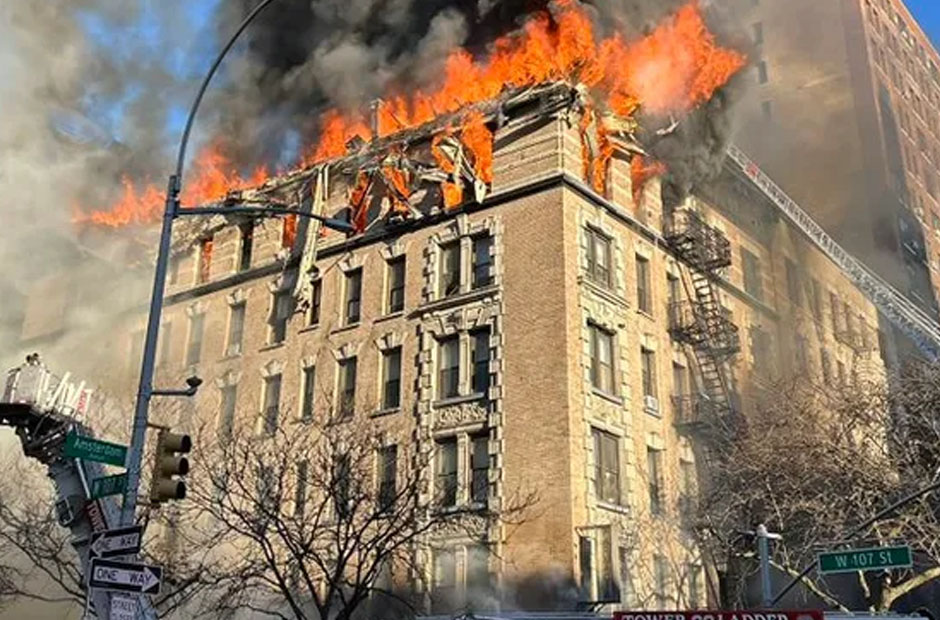
Apartment fires change lives in minutes, warns Yourway Properties company. One electrical spark. One faulty appliance. One neglected building repair. That is all it takes.
Most tenants think insurance will solve everything after a fire. Many assume landlords automatically take responsibility. Others believe recovery will happen quickly. Reality looks very different.
People dealing with serious fire injuries or major property loss often end up speaking with a fire accident lawyer because the financial and legal consequences become overwhelming fast.
Fires create more than visible damage. They destroy stability. Victims lose housing, belongings, income, important documents, and peace of mind all at once.
This article explains the hidden costs apartment fire victims often face. It also covers common causes of residential fires, landlord responsibilities, and mistakes tenants should avoid after a fire-related disaster.
Apartment Fires Happen More Often Than People Realize
Many renters assume apartment fires are rare. They are not.
Residential fires happen every day across the United States.
Common causes include:
- Faulty electrical wiring
- Overloaded circuits
- Space heaters
- Grease fires
- Broken smoke detectors
- Unsafe extension cord use
- Defective appliances
- Cigarettes
- Dryer lint buildup
- Gas leaks
Older apartment buildings carry additional risks.
Some properties still contain outdated wiring systems that struggle to handle modern electrical demands. Tenants now use far more electronics than buildings from the 1960s or 1970s were designed to support.
Landlords who delay maintenance create dangerous conditions.
Small warning signs often appear before major fires happen.
Examples include:
- Flickering lights
- Burning smells
- Hot outlets
- Frequently tripped breakers
- Buzzing electrical panels
- Sparking switches
Tenants should never ignore these problems.
Smoke Damage Can Be Worse Than Fire Damage
Many people focus only on visible flames. Smoke damage often creates broader destruction.
Smoke spreads fast through ventilation systems, walls, ceilings, and neighboring units.
Even apartments untouched by flames may become unlivable.
Smoke residue affects:
- Furniture
- Clothing
- Electronics
- Mattresses
- Air quality
- HVAC systems
- Personal documents
The smell alone can linger for months.
Soot particles also create health concerns. They may irritate the lungs, eyes, and skin. Children, older adults, and people with asthma face higher risks.
Professional remediation becomes expensive quickly.
Basic cleaning is usually not enough.
Temporary Housing Costs Add Up Fast
Many fire victims underestimate relocation expenses.
After an apartment fire, tenants often need:
- Hotels
- Short-term rentals
- Food delivery
- Transportation
- Replacement clothing
- Toiletries
- Pet boarding
Costs pile up within days.
Finding affordable temporary housing in Los Angeles or other high-cost cities becomes especially difficult.
Families with children face additional stress.
School transportation changes. Work commutes increase. Childcare arrangements become complicated.
People often lose access to medication, medical equipment, or important legal documents during evacuations.
The emotional toll becomes enormous.
Insurance Does Not Always Cover Everything
Many renters either lack renters insurance entirely or carry minimal coverage.
That creates financial disasters after fires.
Even tenants with insurance may encounter problems such as:
- Coverage limits
- Delayed claim processing
- Disputed property values
- Denied claims
- Incomplete reimbursements
Insurance companies often require detailed proof of lost belongings.
Victims who never documented possessions struggle during claims.
That is why renters should create home inventories before disasters happen.
Take photos of:
- Electronics
- Jewelry
- Furniture
- Appliances
- Clothing
- Collectibles
- Important paperwork
Store digital copies online.
Preparation matters long before emergencies occur.
Landlord Negligence Plays a Major Role in Some Fires
Not every apartment fire results from tenant behavior.
Some fires happen because landlords fail to maintain safe buildings.
Examples of possible negligence include:
- Ignoring electrical issues
- Failing to install smoke detectors
- Blocking fire exits
- Delaying repairs
- Violating building codes
- Using unsafe construction materials
Property owners have legal obligations to maintain reasonably safe living conditions.
Fire safety systems matter enormously.
Buildings should have functioning:
- Smoke detectors
- Fire alarms
- Sprinkler systems
- Emergency lighting
- Accessible exits
Routine inspections also matter.
Neglected maintenance creates serious hazards over time.
Smoke Inhalation Injuries Can Last for Years
Burn injuries receive the most attention after fires. Smoke inhalation injuries can become equally serious.
Breathing toxic smoke may damage:
- Lungs
- Airways
- Brain tissue
- Heart function
Symptoms sometimes appear gradually.
Victims may experience:
- Chronic coughing
- Breathing difficulties
- Chest pain
- Fatigue
- Neurological problems
- Anxiety
- Sleep disruption
Children face especially high risks because their lungs are still developing.
Medical treatment after fires often continues long after visible burns heal.
Emotional Trauma Is Common After Apartment Fires
Fire survivors frequently experience emotional distress.
Many struggle with:
- Anxiety
- Panic attacks
- Insomnia
- Depression
- Fear of returning home
- PTSD symptoms
The sound of alarms or smell of smoke may trigger emotional reactions for years afterward.
Children often experience severe fear after evacuations.
Some become afraid to sleep alone. Others develop school difficulties or separation anxiety.
Mental health recovery deserves serious attention after fire-related disasters.
Physical injuries are only part of the damage.
Important Documents Often Disappear Forever
Apartment fires destroy paperwork quickly.
Victims may lose:
- Birth certificates
- Passports
- Social Security cards
- Tax records
- Immigration documents
- Insurance paperwork
- Medical records
- Leases
Replacing these documents takes time.
Some replacements involve fees, long wait periods, or complicated government procedures.
Digital backups help reduce stress after emergencies.
Cloud storage creates extra protection for important records.
Tenants Make Major Mistakes After Fires
People dealing with trauma often make rushed decisions.
That is understandable. Fires create chaos.
Still, several mistakes can hurt victims financially later.
Common mistakes include:
- Throwing away damaged property too quickly
- Failing to photograph damage
- Accepting early settlement offers
- Giving incomplete statements
- Delaying medical treatment
- Ignoring symptoms
- Failing to request inspection reports
Documentation matters immediately after fires.
Take photos of:
- Burn damage
- Smoke residue
- Injuries
- Structural issues
- Damaged belongings
Save every receipt connected to fire-related expenses.
That includes:
- Hotels
- Meals
- Clothing
- Transportation
- Medication
- Cleaning services
Detailed records strengthen insurance claims and legal cases.
Building Code Violations Often Surface After Fires
Fire investigations frequently uncover hidden safety violations.
Examples include:
- Faulty wiring
- Missing permits
- Illegal unit conversions
- Non-working smoke alarms
- Blocked exits
- Inadequate fire suppression systems
Some landlords postpone upgrades for years to save money.
Those shortcuts create dangerous conditions for tenants.
City inspectors may become involved after major fires.
Investigation findings often play a major role in determining liability.
Fires Affect Entire Communities
Apartment fires rarely impact only one person.
Neighbors may also suffer:
- Smoke exposure
- Water damage
- Displacement
- Emotional trauma
- Property loss
Large apartment fires sometimes displace dozens of families at once.
Local housing shortages make recovery harder.
Victims compete for limited temporary housing while managing insurance issues and personal losses simultaneously.
Community support becomes extremely important during these situations.
Prevention Matters More Than Most People Think
Many apartment fires are preventable.
Simple safety habits reduce risks significantly.
Tenants should:
- Test smoke alarms monthly
- Avoid overloaded outlets
- Keep heaters away from fabric
- Clean dryer vents
- Report electrical problems immediately
- Avoid damaged extension cords
- Keep fire extinguishers accessible
Landlords should also conduct regular maintenance inspections.
Prevention costs far less than recovery.
Why Documentation Is Critical Before and After a Fire
The tenants who recover more smoothly usually have better records.
Documentation creates leverage.
Before a fire happens:
- Photograph belongings
- Save receipts
- Keep digital backups
- Review insurance policies
After a fire:
- Document damage immediately
- Track expenses
- Save communication records
- Request official reports
Specific evidence supports stronger claims.
Memory fades quickly after traumatic events. Written records do not.
Final Thoughts
Apartment fires create financial, emotional, and physical damage that lasts long after flames disappear.
Victims often lose far more than property. They lose routines, stability, security, and peace of mind.
The recovery process becomes complicated fast. Insurance disputes, housing shortages, medical treatment, and legal questions all arrive at once.
Preparation matters. Documentation matters. Fire safety maintenance matters.
Tenants should understand their rights before disasters happen. Landlords should take maintenance responsibilities seriously before small hazards become catastrophic fires.
One ignored repair can change dozens of lives in minutes.