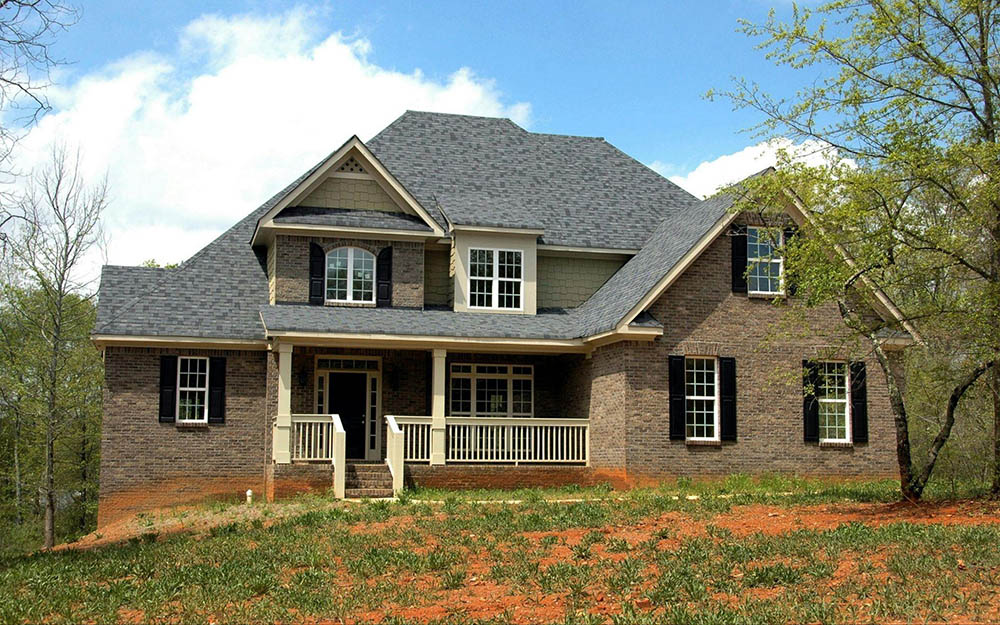
Buying an older home can feel exciting from the moment you walk through the front door. Many older properties have details and character that newer homes sometimes lack. From original wood floors to classic designs, these homes often have a warm and welcoming feel. At the same time, older homes can also come with hidden problems that are easy to miss during a quick tour.
Before making an offer, it is important to look beyond fresh paint and beautiful staging. Older properties may have aging plumbing, outdated electrical systems, or structural issues that could lead to expensive repairs later. Taking the time to inspect the property carefully can help homeowners make a smarter decision and avoid unexpected costs after moving in.
Check the Condition of the Plumbing System
One of the first things buyers should pay attention to is the plumbing system. In many older homes, pipes may have been installed decades ago and could already be close to the end of their lifespan. Corroded pipes, slow drains, and hidden leaks are all common issues in aging properties.
It is also important to remember that plumbing problems are not always limited to the house itself. In older neighborhoods, public sewer systems may also be aging. Many cities now invest in municipal sewer pipe rehabilitation projects to repair damaged sewer lines and improve long-term system performance. While these improvements help reduce future sewer issues, buyers should still schedule a professional sewer line inspection before purchasing an older property.
A professional sewer inspection can identify cracks, blockages, or tree root damage before they become major problems. Spending money on an inspection up front can save thousands of dollars later.
Look Closely at the Foundation and Structural Issues
Structural problems can be one of the most expensive parts of repairing an older home. While some cracks and settling are normal over time, larger problems may point to serious foundation concerns.
Buyers should pay attention to uneven floors, doors that do not close properly, and visible cracks around windows or walls. These signs could indicate movement in the foundation. Water damage around the basement or crawl space may also suggest long-term structural stress.
A licensed home inspector or structural engineer can provide a more detailed evaluation. It is always better to identify major issues before finalizing the purchase rather than discovering them after moving in.
Pay Attention to Electrical Systems
Many older homes were built long before modern appliances and electronics became common. As a result, some electrical systems may no longer meet current safety standards.
Outdated wiring can increase the risk of power failures or electrical fires. Older fuse boxes may also struggle to handle today’s energy use. Buyers should check the electrical panel, outlets, and visible wiring during the inspection process.
If the home still has old wiring materials, updating the system may become necessary after purchase. While electrical upgrades can be expensive, they also improve safety and reliability for the long term.
Understand the Heating and Cooling Systems
Heating and cooling systems are another important part of evaluating an older property. Older furnaces or air conditioning systems may still work, but they often operate less efficiently than newer models.
An outdated HVAC system can lead to higher utility bills and uneven temperatures throughout the house. Buyers should ask about the age of the system, recent repairs, and maintenance history.
If possible, request service records to confirm the system has been properly maintained. Replacing an HVAC system shortly after buying a home can quickly add unexpected expenses to the overall cost of ownership.
Watch for Water Damage and Mold
Water damage is one of the most common hidden problems in older homes. Even small leaks can slowly create serious issues over time if left untreated.
When touring a property, look carefully for stains on ceilings, peeling paint, warped flooring, or musty smells. Basements and bathrooms are especially important areas to inspect because moisture tends to collect there more easily.
Mold growth can also become a concern when moisture problems continue for long periods. In addition to damaging the home, mold may affect indoor air quality and create health concerns for residents.
A thorough inspection can help uncover hidden water damage before the purchase becomes final.
Research the Neighborhood Infrastructure
Many buyers focus only on the house itself and forget to research the surrounding neighborhood infrastructure. Roads, drainage systems, and public utilities can all affect long-term living conditions.
Older neighborhoods sometimes experience sewer backups, poor drainage, or flooding during heavy rain. Buyers should research whether the area has ongoing infrastructure improvement projects or a history of utility issues.
Speaking with neighbors can also provide useful information that may not appear in property listings. Local residents often know about recurring neighborhood concerns that buyers should understand before making a commitment.
Review Renovation History and Permits
Older homes are often remodeled several times over the years. While renovations can improve comfort and appearance, poor-quality work can create serious problems later.
Ask the seller about past upgrades and whether permits were obtained for major work. Unapproved renovations may not meet local building codes and could lead to safety concerns or expensive corrections in the future.
Buyers should pay close attention to additions, basement finishing projects, and plumbing or electrical changes. Professional inspections can help confirm whether the work was completed properly.
Think About Long-Term Maintenance Costs
Owning an older home usually means preparing for ongoing maintenance and repairs. Even well-maintained properties may need updates as materials continue to age over time. It helps to familiarize yourself with the maintenance tasks homeowners most commonly overlook, many of which are especially common in older properties and can quietly become expensive if left unaddressed.
Buyers should create a realistic budget for future expenses, including plumbing repairs, roof maintenance, HVAC servicing, and cosmetic updates. Planning ahead can help prevent financial stress after moving in.
Older homes can absolutely be worth the investment, especially for buyers who appreciate charm and character. The key is understanding the condition of the property before buying a home and making a final decision.
Taking the time to inspect the home carefully, ask detailed questions, and research the neighborhood can help homeowners feel more confident in their purchase. An older property may come with extra responsibilities, but with the right preparation, it can also become a comfortable and rewarding place to call home.