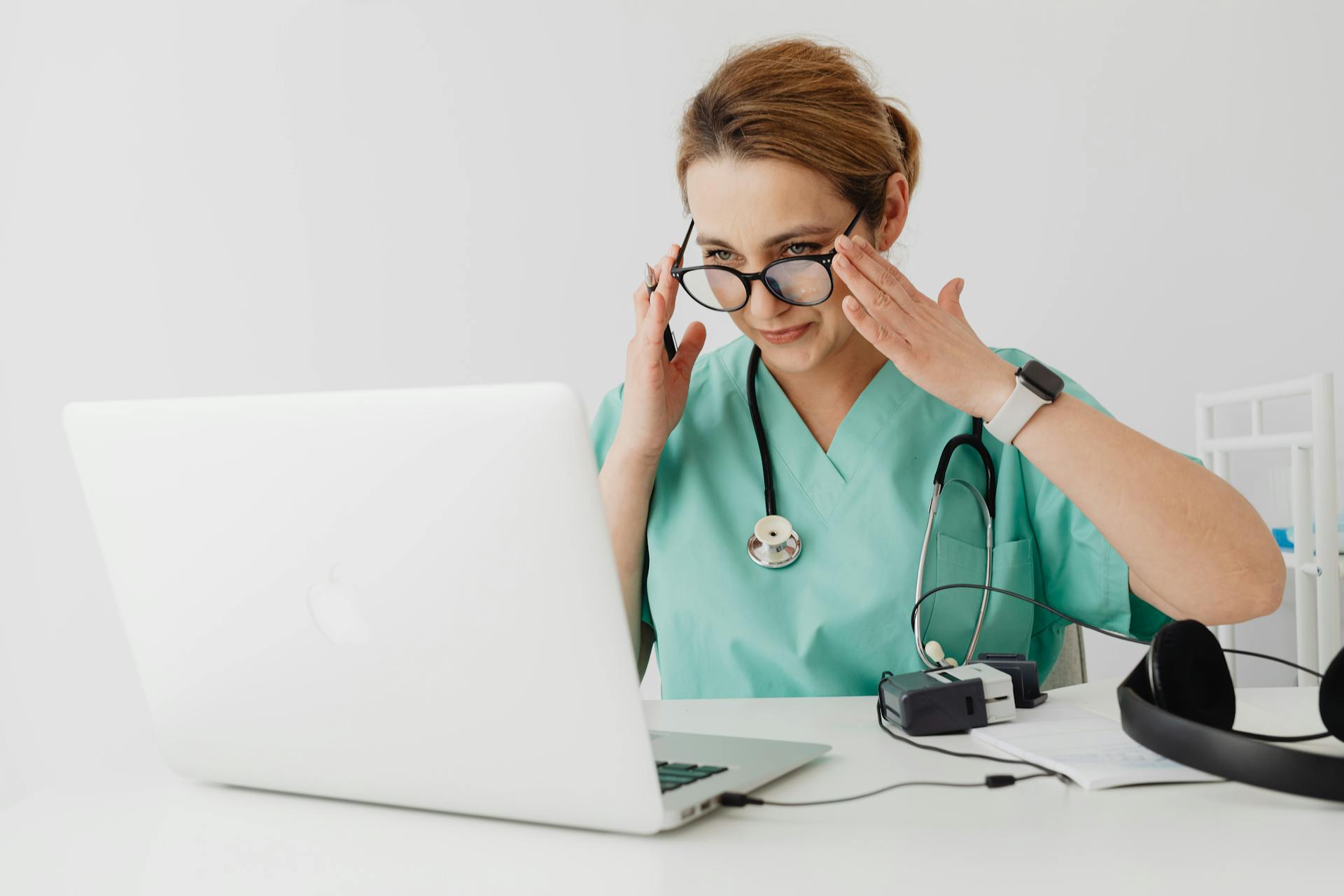
Healthcare is changing faster than ever. Nurses now manage more responsibilities, adapt to new technologies, and care for patients with increasingly complex needs. At the same time, many nurses struggle to balance demanding shifts with family life, personal goals, and continuing education. Traditional classroom programs often make career growth difficult for working professionals who already spend long hours on their feet.
Online learning has started to reshape that experience. Flexible schedules, virtual classrooms, and accessible degree programs now allow nurses to continue their education without stepping away from their careers. As healthcare systems continue to evolve, nurses who invest in learning place themselves in a stronger position for long-term success.
Let’s explore how online learning is helping nurses build skills, expand opportunities, and thrive in modern healthcare.
Flexible Learning Fits Busy Nursing Schedules
Nursing rarely follows a predictable routine. One week may include night shifts, while another brings early mornings, weekend rotations, or long hours at the hospital. For many nurses, the thought of attending traditional in-person classes after a demanding shift feels unrealistic. Online learning has changed that by giving healthcare professionals more control over when and how they study.
Instead of rearranging their entire lives around a classroom schedule, nurses can complete coursework during quieter moments in their day. Some study in the evenings after work, while others prefer early mornings before heading into a shift. This flexibility allows them to continue building their education without sacrificing their current responsibilities.
Advanced Degrees Help Nurses Move Into Leadership Roles
Healthcare organizations rely heavily on experienced nurses who can guide teams, make informed decisions, and support patient care on a larger scale. Advanced degrees often help nurses qualify for these positions by strengthening both clinical and leadership skills.
Online MSN programs have made this process much more accessible. In the past, many nurses struggled to return to school because leaving full-time work was not financially practical. Online education allows them to continue earning an income while pursuing advanced qualifications at the same time.
These programs open doors to leadership positions in administration, nursing education, case management, and specialized care.
The ability to study remotely has also encouraged more nurses to pursue long-term career goals they may have once postponed. A nurse working in a busy hospital today can gradually build the qualifications needed to become a nurse leader, educator, or healthcare administrator without stepping away from patient care completely.
Online Education Helps Nurses Keep Up With Medical Advancements
Modern healthcare continues to evolve at a rapid pace. New treatment methods, digital systems, and patient care approaches appear regularly, and nurses are expected to adapt quickly. Online learning helps healthcare professionals stay informed without needing to leave their jobs to attend full-time programs.
Many online courses now include updated material related to telehealth services, patient safety standards, healthcare technology, and evidence-based care practices. Nurses can apply this knowledge directly to their daily work, which helps bridge the gap between education and real-world experience.
This ongoing learning also builds confidence. Nurses who stay informed about current healthcare developments often feel more prepared when handling unfamiliar situations or using new technology in clinical environments. Instead of feeling disconnected from industry changes, they remain actively engaged with them. As more healthcare students choose online and hybrid learning pathways, comfortable student housing becomes crucial for maintaining productivity and work-life balance. Platforms like amberstudent help the students by offering verified accommodation options close to universities, transit links, and essential city amenities worldwide.
Nurses Can Specialize Without Relocating
Not every nurse lives near a university that offers advanced or specialized programs. In the past, this limited many professionals who wanted to expand their expertise in a specific area of healthcare. Online education has helped remove that barrier.
Today, nurses can pursue specialties such as mental health, pediatrics, critical care, or healthcare informatics through accredited online programs offered across the country. They no longer need to move to another city or leave their current workplace to access quality education.
This has been especially beneficial for nurses working in rural or smaller communities. Many healthcare professionals in these areas previously had fewer opportunities for advanced training. Online learning now gives them access to the same educational pathways available in larger cities.
Digital Learning Strengthens Technical Skills
Students in online programs use discussion platforms, video conferencing tools, digital research databases, and virtual simulations as part of their coursework. These experiences increase familiarity with technology and improve comfort with digital communication.
This confidence often carries into the workplace. Nurses who regularly engage with online learning platforms may adapt more easily to updated healthcare software or digital patient management systems. As hospitals continue introducing new technologies, strong technical skills become increasingly valuable.
Virtual simulations have also improved the learning experience itself. Many programs allow nurses to practice decision-making in realistic patient care scenarios through interactive software. This creates opportunities to sharpen critical thinking skills in a practical setting.
Technology and healthcare continue to grow together, and online education helps nurses stay prepared for that connection in meaningful ways.
Online Programs Encourage Independent Learning
Online education gives nurses more responsibility for managing their own progress, and that can shape valuable habits far beyond academics. Unlike traditional classrooms with fixed schedules and constant reminders, online learning requires students to organize their time, stay motivated, and remain consistent throughout the program.
For nurses, these skills often blend naturally into their professional lives. Healthcare environments already demand quick thinking, accountability, and the ability to handle multiple responsibilities at once. Online education strengthens those qualities even further by encouraging students to take ownership of their learning experience.
Independent learning also builds confidence. Completing assignments, managing deadlines, and balancing education with a demanding career can give nurses a stronger sense of discipline and self-belief. That confidence often carries into patient care, workplace communication, and professional growth.
Affordable Learning Opportunities Reduce Financial Pressure
Cost is one of the biggest reasons many professionals hesitate to continue their education. Traditional degree programs often come with expenses beyond tuition, including transportation, housing, parking, and reduced work hours. Online learning has helped make education more financially realistic for many nurses.
Studying remotely removes several of those extra costs. Nurses can continue living at home, maintain their current jobs, and avoid daily travel expenses while earning a degree. This flexibility allows many students to pursue advanced education without making major financial sacrifices.
Nursing has always been a profession built on dedication, resilience, and compassion. Online learning has added another important layer to that journey by giving nurses greater freedom to shape their futures on their own terms. It has opened doors for people who once felt limited by time, location, or financial responsibilities.
More importantly, it has helped create a healthcare workforce that continues growing alongside the industry itself. Nurses are no longer forced to choose between caring for patients and advancing their education. They can do both at the same time, building careers that reflect both personal ambition and a commitment to quality care.