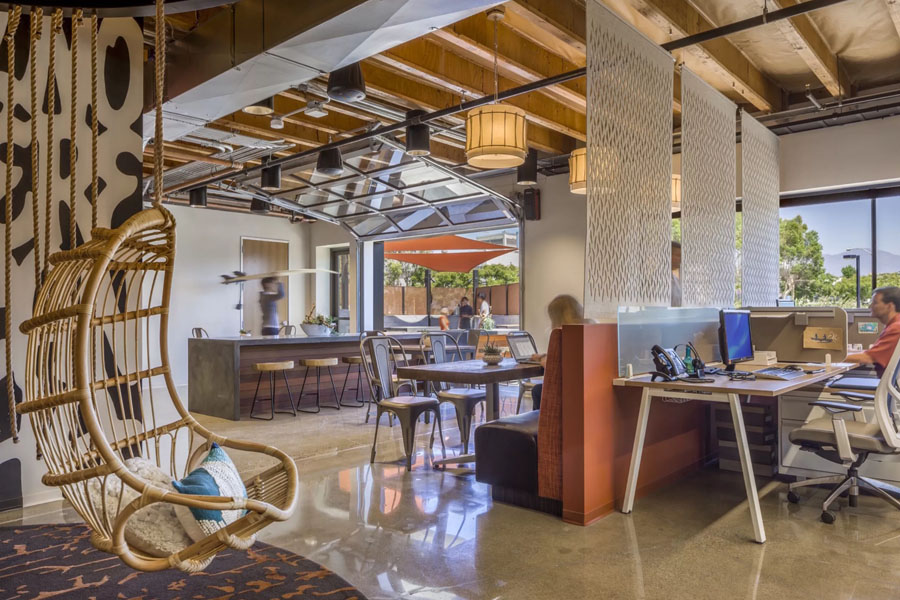
Beyond Design: The Thinking Behind a Brand Space
A creative workplace is not built from style alone. It is grown like a garden, nurtured through intention and shaped by patterns that invite creative energy to flow naturally. When a company designs its space with clarity and restraint, it creates a physical extension of its brand’s inner compass. This alignment influences every action and decision that unfolds inside its walls.
It is tempting to chase novelty in décor or follow design trends that promise innovation. Yet, genuine creativity rarely thrives in constant flux. It needs a foundation of purpose. The strongest spaces are not decorations; they are quiet partners in thought. They reinforce why a company exists, not merely what it sells.
Embedding a Brand’s Intent into its Environment
Goals guide action. Employees feel at home before work when they enter a company-branded space. Materials, colors, and spatial rhythm must reflect the organization’s mission. If the brand values transparency, glass partitions and open views are useful. Reclaimed wood or low-impact fabrics remind everyone of responsibility through texture and tone if sustainability is central.
All design choices send cues. Even conference table lighting can create equilibrium or stress. Physical space silently guides conduct. When intent is genuine, productivity and creativity flourish.
The Relationship Between Space and Strategy
Without words, strategic environments tell stories. Room symmetry or visual hierarchy can teach group thinking. Well-organized spaces whisper, “Clarity matters here.” Color psychology, proportion, and consistent design systems contribute to cognitive rhythm.
In many strong brand spaces, visual coordination acts like a musical score. It sets a tempo. Too much variety scatters the melody. Too little dulls engagement. Balanced design mirrors how a company wishes its clients and teams to perceive its identity. When employees understand that visual order holds strategic meaning, their behavior aligns with brand principles almost instinctively.
Layouts That Inspire Movement and Connection
A thoughtful layout orchestrates collaboration, not just clustering. Performance is affected by focus-talk spatial dance. Energy and exchange come from open spaces. Quiet spaces shield thought. The ancient conflict between community and solitude is essential to creativity.
Modern work life often favors constant interaction, but great ideas still bloom in silence. A corridor leading to a secluded thinking room or a library nook signals that reflection has equal value. Spaces layered with different levels of engagement accommodate the range of human creativity—from brainstorming to refinement.
Material Language and the Emotional Texture of Space
Materials speak their own tongue. Before a meeting, stone, metal, fiber, and wood convey emotion. Grain, gloss, and weight indicate a brand’s seriousness or playfulness. Material honesty lets designers reflect a brand’s credibility by revealing each texture’s character.
Durability also communicates. Durable materials indicate long-term thinking. Handcrafted finishes show attention to detail. The bodily signals create emotional trust. They remind everyone inside that quality is chosen daily.
Light as a Silent Architect
Light influences perception like walls. Unobstructed daylight keeps minds attentive and grounded. Warm daylight-like artificial lighting promotes balance and calm in high-concentration areas.
Light direction directs conversation and highlights key regions. A soft glow on collaboration tables encourages cooperation, while focused beams on work surfaces improve precision. Lighting that respects the circadian clock makes creativity feel effortless and clear.
Integrating Technology Without Losing Soul
Technology fosters innovation when it’s not dominating. Smart devices, digital whiteboards, and buried wiring should enable silent work. Device excess makes a room forget the human heart of innovation.
Restraint does not impede progress. It involves choosing tools that support workflow rather than detract. Restricted technology plans respect velocity and focus. This controlled use makes the environment a precise, responsive, and composed instrument.
Culture as the Core Design Element
Beyond physical design, a creative space mirrors cultural DNA. Walls carry collective memory. Murals, quotes, or icons can remind teams of milestones and shared values. Culture lives visually through how space honors rituals, whether it is a weekly brainstorming session or the arrangement of common tables.
Design that promotes cultural rhythm keeps employees emotionally connected to the brand. They operate and evolve in a space. Authentic surroundings convey identity so plainly that newcomers comprehend without explanation.
Evolving Without Losing Direction
Adaptability maintains relevance. Technology advances, work habits evolve, and companies grow. Creative brand spaces must evolve without losing their foundations. Teams can adapt quickly while maintaining the brand’s visual and emotional values with modular furniture, adjustable walls, and adaptable layouts.
The key is identity adaptability. A adaptable stage retains its individuality while hosting new shows. Anchors include colors, materials, and symbols. These anchors make change feel like progress, not upheaval.
Harmonizing Systems and Human Behavior
System design is consistent and flexible. Established frameworks assist departments maintain brand cohesion. Signage styles and recurring color signals lessen cognitive burden and create familiarity.
A cohesive system also allows creativity to occur responsibly. When people are freed from guessing where things belong, they can focus on innovation. Order builds confidence, and confidence fuels imagination. Space, structure, and system form an ecosystem where clarity and creativity coexist.
FAQ
How does physical space influence a company’s creativity?
Physical space shapes how people think, move, and relate to each other. The arrangement of furniture, light, and color influences energy, focus, and collaboration. When design aligns with the company’s purpose, it nurtures creative flow naturally.
Why is flexibility important in brand environments?
Flexibility allows a workspace to evolve with projects, technology, and team dynamics. It ensures resilience without diluting identity. Adaptable elements give employees freedom to create within a recognizable and trusted brand framework.
What makes materials significant in brand design?
Materials convey values. Durable wood, recyclable metal, and soft textiles convey quality, sustainability, and warmth. The correct textures evoke emotion and suggest long-term commitment.
Is technology necessary for modern creative spaces?
It must support the creative process, not overpower it. Tools should promote productivity, reduce friction, and be inconspicuous. Human experience is prioritized while using digital benefits in balanced integration.
How can lighting improve productivity?
Proper lighting stabilizes mood and concentration. Natural daylight supports well-being, while thoughtful artificial light prevents fatigue and enhances visual comfort. Balanced illumination encourages consistent creativity across the day.
What role does culture play in designing office environments?
Culture gives meaning to space. Design choices that reflect shared traditions and values create unity. Cultural expression through art, layout, or interaction zones turns a workplace into a living reflection of the brand’s story.
How can brand spaces maintain identity through change?
Design fundamentals like color palette, materials, and spatial rhythm are crucial. As the space changes, these constants operate as a heartbeat, keeping its emotional message the same.
Why do cohesive design systems matter?
Structure and integrity are provided. A unified system simplifies, aligns, and saves time. Employees and visitors immediately trust and rely on physical and visual consistency.