Evaluating Your Property’s Potential
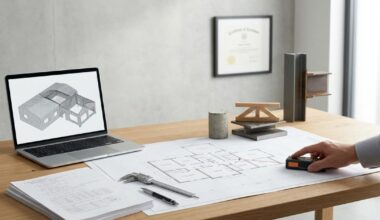
Every home has a rhythm. Before drawing your dream outdoor retreat, figure out how that rhythm works in your yard or patio. Study sunlight and shadows. A front porch or deck with a sunset view can encourage neighborly conversation under a leafy canopy. Drainage patterns, soil stability, and nearby trees may influence construction decisions. Consider your property a canvas waiting for color; identifying its features will determine how brightly your new addition stands out.
The role of elevation often determines whether a deck or a porch is ideal. High foundations pair naturally with decks, allowing you to extend living space outward from elevated rooms. Ground-level entrances work beautifully with porches that blend seamlessly into the home’s threshold. Your personal habits—morning coffee rituals, evening gatherings, or a preference for solitude—help define the overall purpose of the space. It is the harmony between how you live and where you live that shapes design success.
Materials that Tell a Story
Materials are more than structural necessities; they communicate personality. Picture the soft warmth of wood under bare feet or the clean lines of composite boards resisting the wear of countless seasons. Aluminum, sleek and enduring, gives a modern whisper against wooden landscapes. Each has a lifespan marked by resilience, beauty, and practical maintenance demands. Choosing among them is much like choosing a partner for a long journey—the right match will share its strength over time without demanding constant attention.
Consider how texture affects ambience. Rough-hewn cedar speaks rustic comfort; smooth composite radiates contemporary order. Budget inevitably crosses paths with material preference. A modest wooden frame may charm initially but request regular upkeep. Composite and aluminum, while costly upfront, often repay their value through consistency and low maintenance. What story do you want your outdoor space to tell? That question will guide your selection better than any price tag.
Designing for Comfort and Character
Decks and porches resonate emotionally through design. It determines how a structure holds people and emotions. Divide large spaces into living zones—a quiet corner with lush seating, a dining area under soft light, a grilling station alive with scent and laughter. Railing patterns can open the horizon or stage the yard.
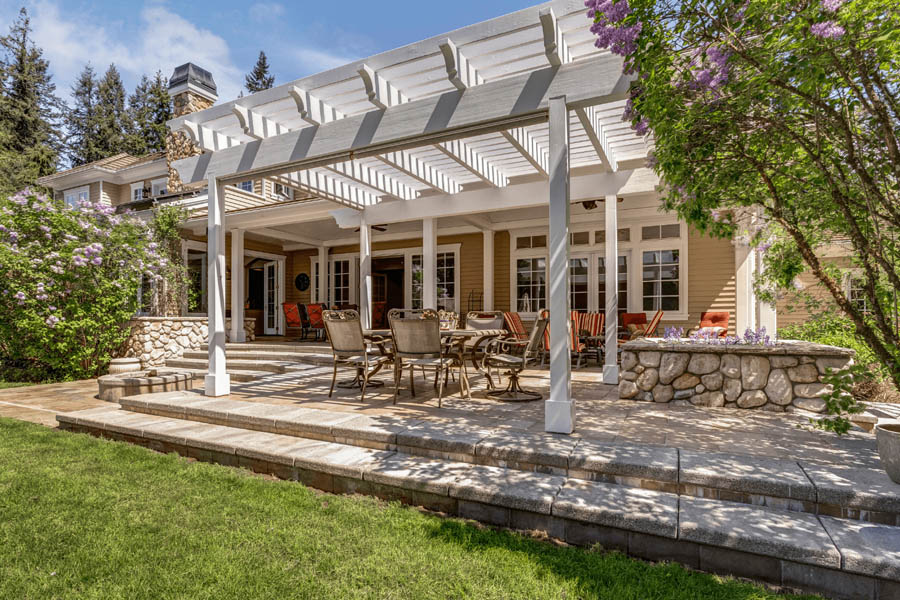
Using built-in seating or planters introduces versatility and defines boundaries without crowding. Lighting plays a subtle magician’s role, shaping the transition between day and night and transforming surfaces into shimmering textures. Experiment with height: a raised deck evokes perspective and freedom; a wraparound porch encourages intimacy and connection to the garden. Adding architectural accents such as pergolas or trellises layers personality while offering shade and depth. The key lies in balance and rhythm—how each component interacts with the others like notes in a melody.
Navigating Budget and Long-Term Costs
Project pace is determined by budget. It requires strategy and prediction, not just listing costs. Consider initial costs and long-term maintenance. Without sealing and staining, wood can lose its appeal, turning a cheap start into an expensive routine. Weatherproof composite and aluminum are cost-effective over time.
Labor, excavation, and permit fees often boost overall investment more than materials. Setting financial restrictions early encourages imaginative problem-solving: mix materials, phase construction, or integrate updates. Budgeting with vision turns every dollar into a lasting investment.
Maintenance as a Relationship with Your Space
Every outdoor extension forms a partnership with its owner. Maintenance defines how that relationship evolves. Wooden structures demand attentive care: cleaning, sanding, and regular sealing nurture their longevity. Composite decking asks for gentle washing with soap and water, maintaining neatness with minimal labor. Aluminum rests easy under nature’s elements, occasionally needing a rinse to restore brilliance.
Preservation, not chore, makes maintenance meditative. The smell of fresh stain, the rhythmic brush strokes along planks, and the satisfaction of clean surfaces are rituals that connect you to your home. Understanding these commitments before construction keeps ownership fun even during unexpected labor.
Codes, Permits, and Responsible Building
Behind every beautiful porch or deck lies a foundation of regulation. Compliance with local codes substantiates safety and legality. Dimensions of railings, spacing of stairs, and weight-bearing capacities protect against accidents and structural failure. Before breaking ground, secure all necessary permits to avoid halts or fines.
Working with a contractor experienced in local requirements simplifies this process immensely. They interpret regulations through craftsmanship, ensuring your design passes inspection without compromise. Treat these steps as part of the design itself—guidelines that shape not limit creativity. In outdoor construction, legality and aesthetics coexist to achieve permanence.
Collaborating with Skilled Builders
A reputable builder transforms blueprints into living environments. Their expertise bridges imagination with tangible results. Prioritize credentials—licensing, insurance, and verified past work illuminate reliability. Explore their previous projects to witness how different materials age under real conditions. Open communication remains essential; clarity on payment structure, timeline, and expectations prevents friction later.
The relationship with your builder mirrors the relationship you share with your structure. Transparency builds trust just as craftsmanship builds substance. Experienced professionals navigate challenges deftly, anticipating environmental factors or unforeseen adjustments. Let their insight shape your plan while maintaining your stylistic direction. Collaboration ensures every nail supports not only wood and metal but shared understanding.
Bringing Artistry to Functionality
Beyond practicality, the true magic of an outdoor extension lies in transitions—the gentle flow between indoor warmth and outdoor freedom. Align flooring materials for visual continuity, position entryways to catch natural light, and introduce color palettes that unify the entire residence. Texture plays a quiet but influential role; rough surfaces anchor, smooth surfaces open invitation.
Group furniture for conversation or scatter it for movement. Landscape design uses greenery as texture and boundary to connect with nature. With flowering vines or minimalist sculptures, your outdoor space reflects your home.
Sustainability and Environmental Sensibility
Sustainable design is increasingly used by modern homeowners. The materials used affect environmental impact and longevity. Reclaimed wood is beautiful and resourceful, while recycled composites are innovative. Eco-friendly lighting and local construction materials blend into aesthetics and reduce carbon footprints.
Treat sustainability as a design principle rather than a separate goal. It adds depth to style and brings genuine pride to daily living. The outdoor space then becomes more than an extension—it becomes an example of thoughtful stewardship.
FAQ
How can I tell if a deck or porch is best for my particular home style?
Evaluate how your home physically meets the ground. Elevated structures integrate smoothly with decks, while level-entry houses often pair gracefully with porches. Consider architectural character and how each option harmonizes with it—traditional facades tend toward porches, and modern designs lean to decks with open views.
What factors influence the longevity of my outdoor addition?
Lifespan depends on material, climate, and care. Minimizing deterioration requires sealing, ventilation under boards, and seasonal cleaning. Starting with robust materials ensures performance for decades.
Is it worth investing in professional design assistance?
When seeking precision and artistic coherence. Professional designers and builders combine technical competence with creative vision to ensure safety, style, and comfort. Their advice avoids design mistakes and unneeded revisions, lowering expenses.
What common mistakes should homeowners avoid when planning these projects?
Underestimating permits, neglecting drainage patterns, or ignoring material maintenance requirements lead to additional expenses later. Failing to consider sunlight exposure and furniture placement can affect usability. Planning with patience prevents these hidden pitfalls.
Can a deck or porch increase resale value significantly?
Because they increase living space and appeal, well-designed outdoor spaces often pay off. Buyers see them as signs of care and sophistication, which boosts property values.