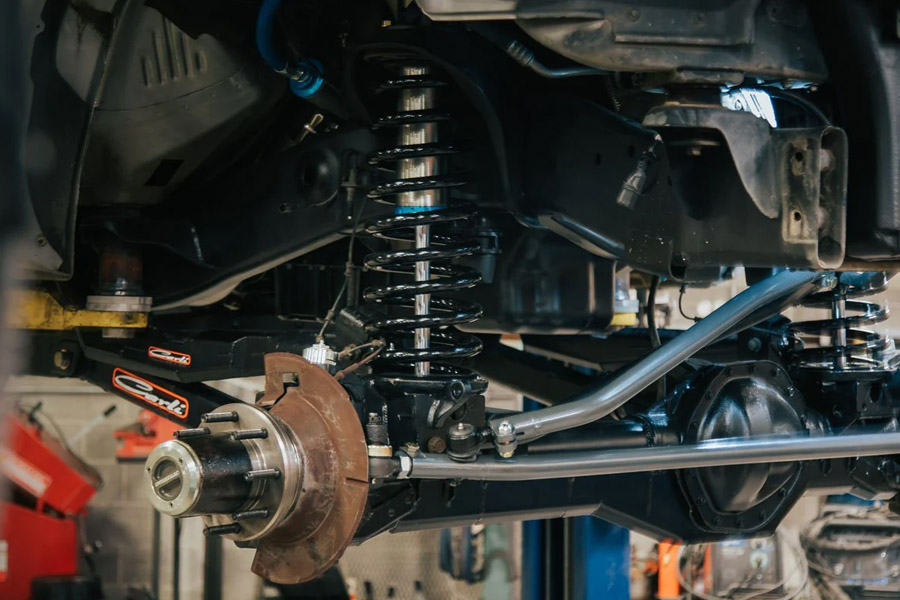
The Hidden Backbone of Every Jeep
Jeep suspensions are like spines, silently carrying weight, absorbing impact, and giving the vehicle strength. Even the most powerful engine can’t perform well without a solid suspension. Jeep owners focus on tires and engine noise but neglect the silent worker under the chassis. This suspension system controls how your Jeep handles roads, dirt tracks, and off-road adventures.
Road grime, moisture, and travel force wear down joints and springs. Like erosion, it slowly changes your car’s ride. The once-steadfast ride sways or bounces. When these warning signs appear, seeking professional auto repair services can help identify suspension issues early and prevent more costly damage down the road. Jeep whispers for help before a crisis with these subtle warning signs.
Why Suspension Health Affects More Than Comfort
Suspension is not merely a matter of ride comfort; it defines the entire driving experience. Every bump, turn, or stop transfers energy through the suspension components. Shocks and springs work in unity to keep tires pressed to the surface, ensuring proper traction. Once these parts weaken, the tires lose consistent contact, braking distances increase, and steering precision falters.
When a Jeep has a compromised suspension, energy that should be absorbed gets redirected into the frame and drivetrain. This imbalance contributes to uneven tire wear, premature stress on steering arms, and body roll when cornering. Neglecting these issues can transform a stable Jeep into a wandering, unpredictable beast—especially dangerous when towing or climbing steep inclines.
Common Symptoms of Suspension Decline
A seasoned Jeep driver often feels difficulties before seeing them. Steering may feel lighter or vague. The car may no longer park evenly. These sensations represent mechanical wear, not coincidences.
A sagging front or rear often means the springs have yielded under continuous load. Coil springs can lose their tensile strength after many cycles of compression and rebound. In older Jeeps or heavily modified ones, one corner may dip lower than the others, signaling localized fatigue or a damaged spring pack.
Another subtle sign is an uneven tire tread. One side of a tire wearing faster often indicates a wheel alignment issue caused by failing suspension bushings or bent control arms. This uneven wear and a faint vibration at higher speeds indicate faulty shock damping.
Rougher rides also tell their own story. A healthy shock absorber should prevent the Jeep from bouncing more than once after hitting a pothole. If it continues to oscillate, the internal seals of the shock have likely deteriorated. Lack of damping control is particularly noticeable on dirt tracks, where the Jeep seems to float rather than carve across uneven terrain.
When Upgrading Outweighs Simple Replacement
If your Jeep is near to stock, OEM parts may work. The discourse alters for vehicles with larger tires, steel bumpers, or roof racks. Additional load alters vehicle center of gravity and increases suspension stress. These scenarios make upgrades a requirement, not an indulgence.
Upgraded coil springs, heavy-duty control arms, and monotube shock designs help restore balance while providing ample support for extra weight. They also improve wheel articulation, which is the hallmark of a capable off-road suspension. More articulation allows all four tires to maintain traction even over uneven, rocky surfaces where lesser systems would lift a wheel helplessly into the air.
For off-road enthusiasts, steering geometry often needs correction after any lift or upgrade. Adjustable track bars and upgraded bushings return the axle alignment to its intended position. Without this step, the Jeep may drift slightly even on straight roads, causing fatigue during long drives.
Listening to Mechanical Voices
Suspension components have their unique language. Creaks and clunks are the vocabulary of worn joints or loosened mounts. A metallic pop on acceleration can hint at a tired control arm bushing or a bolt backing off under stress. These sounds should never be dismissed as “typical Jeep noises.” Every sound, especially those that repeat with bumps or turns, has a cause.
Owners who drive mostly in city conditions are not safe from deterioration either. Constant braking at intersections and the repetitive shock of potholes create micro-fractures in bushings and seals. Rural or off-road drivers have the opposite problem—long suspension articulation cycles, dust, and moisture attacking seals from within. Regardless of use, consistent inspection every season helps uncover issues before they culminate in a costly rebuild.
Signs You Should Inspect Right Away
- Nose dive during braking – Indicates front shock wear or weak coil springs.
- Rear squat under acceleration – Suggests stretched rear springs or aged dampers.
- Persistent vibration even after tire balancing – Could signify failing bushings or an unbalanced suspension weight distribution.
- Squeaking when turning slowly – Often linked to worn ball joints or dry bushings.
- Visible leaking fluid near shocks – A definite sign of shock absorber failure.
A holistic inspection often reveals multiple issues working together. A leaking shock, for example, may have accelerated spring fatigue, which then misaligns the wheelbase enough to unevenly wear tires. Repairing just one part may bring temporary relief but rarely solves the full problem.
The Case for Periodic Suspension Assessment
While suspension parts degrade gradually, repetitive loads accelerate tiny degradations. Jeeps that tow, carry tools, or run mountain trails wear out faster than commuter cars. Simple diagnostics include corner height measurements. Spring sag is indicated by any significant drop from factory baseline.
Lubrication matters too. Control arm pivots and sway bar linkages work best without dirt or oxidation. Keep them lubricated for longevity and articulation. To check for concealed frame deformation or bushing deflection, which reduce ride quality, professional shops assess wheel alignment angles.
The Payoff of a Refreshed Suspension
After replacing or upgrading worn parts, the transformation is immediate. Jeeps that floated recover. Steering sensitivity, tire grip, and cabin quietness improve. Drivers say they rediscover their car’s personality. The revamped system boosts performance and confidence everywhere.
FAQ
How often should a Jeep suspension be inspected?
Ideally, every 12 months or every 12,000 miles, depending on usage. Off-road or heavily loaded vehicles should be checked more frequently since dust, moisture, and weight accelerate wear.
What is the biggest indicator that shocks are failing?
Excessive bouncing after hitting a bump, fluid leakage near the shock body, or uneven tire wear are strong signals that the shocks no longer control rebound effectively.
Does upgrading suspension affect fuel economy?
Yes. A well-tuned suspension improves tire contact and alignment, which reduces rolling resistance. Conversely, a poorly upgraded or poorly aligned setup can increase drag and fuel consumption.
Can sagging springs be fixed without full replacement?
Some shops can re-arch leaf springs or use shims to regain height temporarily, but this is seldom a long-term fix. Replacement or upgrade is the more reliable solution for sustained performance.
Do larger tires automatically require suspension changes?
Not automatically, but larger tires increase strain on joints and shocks. They often justify stronger components or mild lift kits to maintain correct clearance and geometry.
Why does my Jeep pull to one side even after an alignment?
If alignment adjustments do not solve the issue, a worn suspension component may be shifting under load. Inspect control arms, track bars, and bushings for slack or deformation.
What are signs of bushing deterioration?
Look for cracked rubber, visible separation from metal sleeves, or clunking noises during slow maneuvers. Deteriorated bushings allow components to move inconsistently, throwing off alignment.
How can I maintain coil spring performance?
Avoid consistent overloading and check ride height periodically. A spring protector coat can minimize rust, while keeping the undercarriage clean helps prevent corrosion that leads to premature loss of tension.
Will a new suspension lift increase wear on other components?
It can if improperly installed. A lift alters driveshaft and steering link angles. Upgrades like adjustable control arms and brake line extensions assist mechanical balance.
Is upgrading suspension worth the cost for city driving?
Even in urban environments, modern performance-oriented suspension systems enhance stability, braking, and comfort. While off-road gains may be less relevant, the increased safety and tire longevity make it worthwhile.