The Backbone of Everyday Comfort
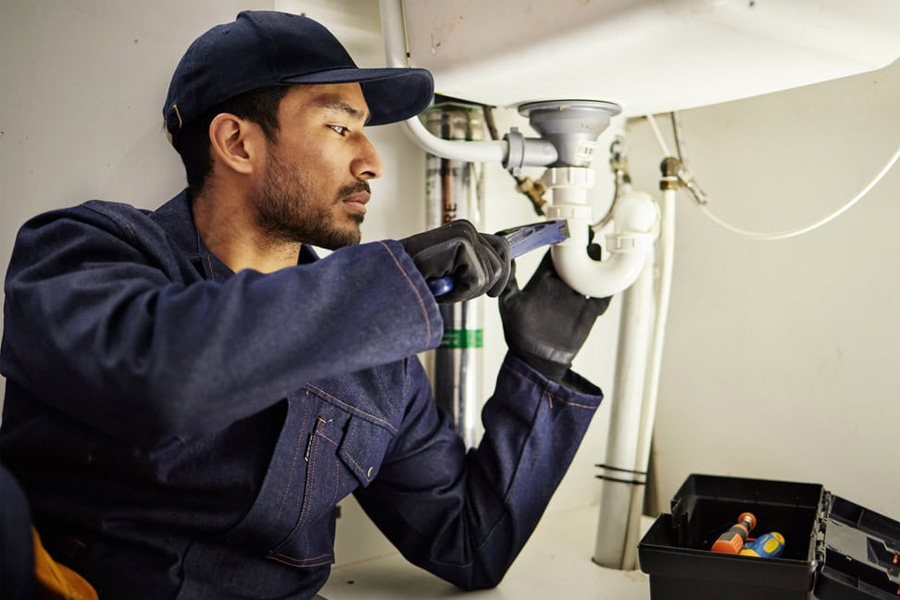
Every functioning tap and reliable shower spray reveal invisible handiwork. Local plumbers are comfort engineers who keep our houses’ water flowing. Their connection to the local environment helps them comprehend the water supply’s idiosyncrasies, from hard water deposits that erode pipes to variable pressures that threaten reliability. Fixing a leak involves safety, hygiene, and efficiency decisions.
Reliable plumbing isn’t just mechanical. Living networks require observation, correction, and protection. Plumbers strengthen aging systems while adding sustainable upgrades.
Anticipating Problems Before They Emerge
One hallmark of a skilled plumber is foresight. Instead of only reacting to emergencies, many local professionals focus on preventive measures that halt problems long before they reach the surface. Aging pipes often conceal the slow creep of decay, while minor drips signal deeper vulnerabilities.
Routine inspections turn into diagnostic rituals. With a trained eye, a plumber can detect subtle discolorations on joints or faint odors near drains that hint at hidden leaks. This precision is what saves homeowners from catastrophic repairs later on. A small appointment once a year can protect foundations, flooring, and furniture from deterioration caused by concealed moisture.
Proactive plumbers examine temperature valves and water pressure stability to ensure safety. They tailor their services to each town or neighborhood’s pipe materials, soil types, and weather to ensure system resilience.
The Rise of Smart Plumbing Technologies
Technological advances have revitalized plumbing. Local plumbers now use advanced equipment to improve productivity and accuracy. Real-time digital leak detection devices notify homeowners of tiny leaks. Homes can detect aberrant usage trends immediately with smart water meters.
One of the notable innovations is thermal imaging. By detecting heat variations behind walls, plumbers can find moisture spots invisible to the naked eye. Combined with video inspection cameras, this technique shortens repair times and prevents unnecessary wall demolitions.
High-pressure hydro jetting machines remove dirt and microorganisms better than outdated augers or chemicals. These innovative methods prolong pipe life and pure water flow. Local plumbers who use these approaches reassure homeowners that precision has replaced guessing.
Upgrading Aging Infrastructure in Communities
The work of local plumbers does not stop at private residences. They often collaborate with municipalities and developers to modernize public pipelines and distribution systems. The integrity of a city’s water supply rests heavily on these skilled technicians who retrofit outdated facilities and ensure compliance with safety standards.
Replacing corroded piping in older districts improves both household and environmental health. Each upgraded segment reduces the likelihood of contamination or costly leaks that affect multiple properties. In this way, plumbers contribute to public welfare much like doctors do to community health, ensuring that every building remains a safe carrier of one of our most vital resources.
Such projects often require technical endurance. Plumbers coordinate with engineers and construction teams to design layouts that minimize water loss and maintain steady pressure across miles of networked piping. Each project completed represents more than infrastructure; it symbolizes a renewal of civic trust in the systems that deliver daily comfort.
Teaching Households to Become Partners in Maintenance
Education is quietly revolutionary in plumbing. Local plumbers increasingly take time to teach homeowners basic knowledge so they can respond calmly in minor crises. Knowing the location of the main shutoff valve or the first signs of a pressure imbalance can prevent floods and damage.
Community workshops are becoming increasingly common where homeowners learn about water conservation habits, biodegradable cleaner choices, and methods for identifying early warning signs of malfunction. These sessions form a bridge between professional expertise and home stewardship. When residents participate in preserving their plumbing systems, they reduce costs, save water, and heighten their environmental awareness.
A plumber’s advice often extends beyond the wrench and pipe. They discuss the long-term benefits of choosing water-efficient fixtures, eco-friendly sealants, and recycling or reusing wastewater where appropriate. These educational efforts align with global goals for sustainable living, reflecting the essential role plumbers play in protecting both property and planet.
The Financial and Environmental Impact of Plumbing Care
Reliable water systems are not just about convenience; they are financial safeguards. Unchecked leaks can waste hundreds of gallons a month, inflating bills and straining local water resources. Addressing these issues early through professional maintenance reduces unnecessary expenses and conserves precious reserves.
Moreover, upgrading to newer plumbing technologies adds tangible value to homes. Prospective buyers recognize the long-term savings linked to well-maintained systems. Local plumbers indirectly support economic stability by ensuring that properties remain secure investments with predictable operational costs.
From an environmental standpoint, efficient plumbing reduces waste and energy consumption. Less water lost means less stress on municipal treatment facilities. The cumulative effect is significant when neighborhoods collectively maintain optimized water systems. Each repaired leak and each modernized fixture becomes a gesture toward a sustainable future.
The Evolving Role of Local Plumbing Businesses
Local plumbers become more important as cities grow and housing complexes rise. They now work on smart home ecosystems, renewable energy, and community resilience. Modern plumbers collaborate with technology integrators, environmental scientists, and policymakers to support sustainability.
Some companies offer remote monitoring. Technicians can track water systems digitally and notify clients of unexpected performance changes. This method makes plumbing a continuous service rather than a repair.
Local plumbing combines trade practice, consumer education, and sustainable design due to industry adaptability. It highlights how a manual labor-based profession today affects health, safety, and environmental requirements.
FAQ
How often should residential plumbing systems be inspected?
A full inspection at least once a year is recommended. High-use systems or older homes may benefit from a mid-year check to catch gradual wear and tear before it becomes serious.
What are the benefits of using modern diagnostic tools over traditional methods?
Modern tools like video cameras and thermal imagers provide precise visibility inside pipes and walls without invasive procedures. They uncover exact locations of blockages or leaks, which reduces both repair time and labor costs.
Can homeowners handle routine plumbing maintenance themselves?
Basic tasks like cleaning aerators, checking visible joints for moisture, or knowing how to shut off water in an emergency are manageable. However, complex repairs and installations should always be performed by licensed professionals to avoid full-system damage.
How do local plumbers contribute to environmental sustainability?
To conserve water, they fix leaks, install efficient fixtures, and advise on eco-friendly habits. Their improvements reduce household water waste and community water strain.
Why is understanding regional water conditions so important for plumbers?
Local water characteristics influence corrosion, mineral buildup, and pressure variations. A plumber familiar with these regional traits can design tailored solutions that ensure longer-lasting and more efficient plumbing systems.