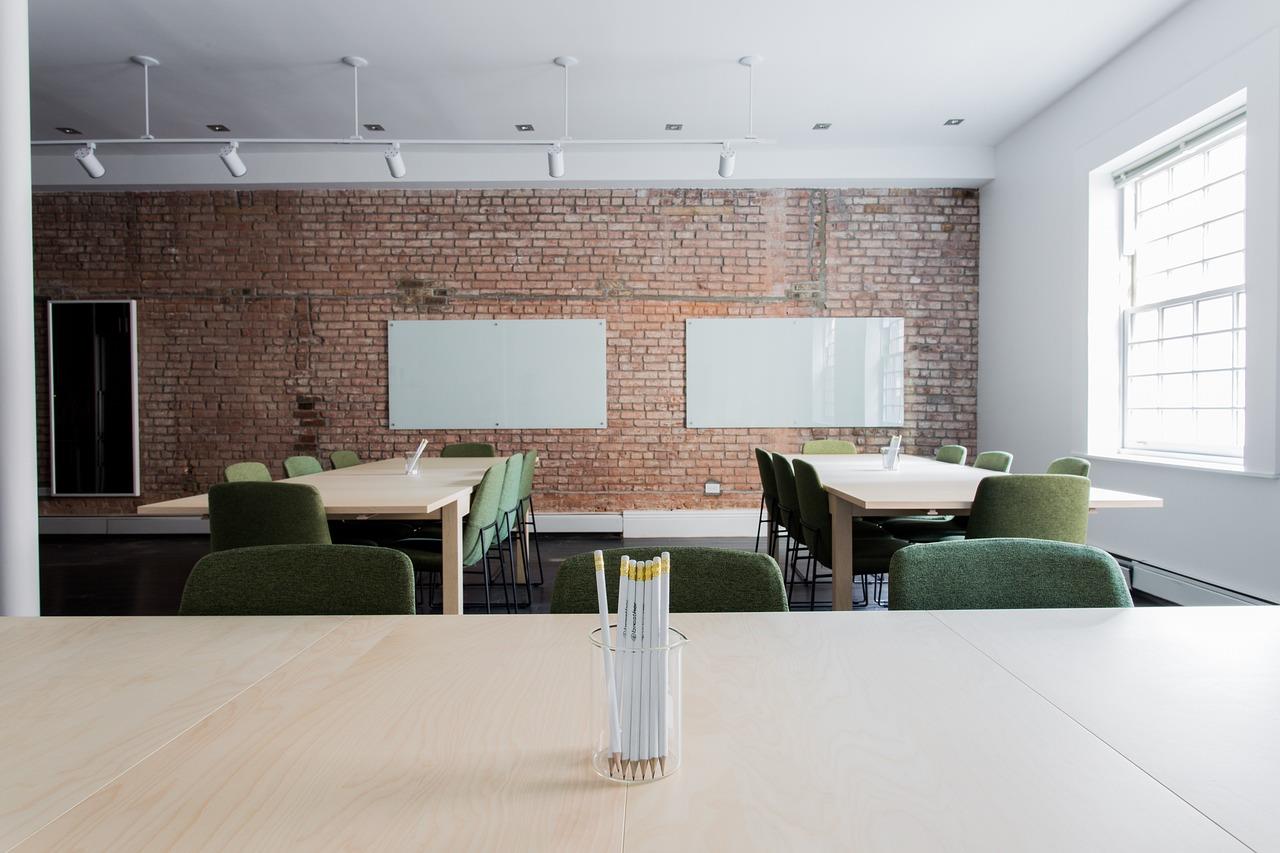
The way a classroom is set up matters more than most people think.
After years of schools spending ridiculous amounts on high tech equipment and neglecting the low-tech essentials, one commonality is found to be repeatedly true: the learning environment plays a key role in the way that children learn. A well designed classroom can:
- Boost focus and engagement
- Reduce aches, pains and fidgeting
- Support every student, no matter their size or ability
And the best part? You don’t need a new building to do it.
Here is how to do it…
What this guide covers:
- Why Classroom Design Actually Matters
- The Power Of Adjustable Height Desks
- Layout, Lighting & Flexible Seating
- Small Tweaks That Make A Big Difference
Why Classroom Design Actually Matters
Most people walk into a classroom and only see desks, chairs and a whiteboard.
However, scientists have been studying this for decades, and the findings are staggering. Research has estimated that the learning environment accounts for 10 to 15 percent of variance in academic achievement. This is a substantial amount of student learning directly related to the classroom itself.
Think about it…
A child in an uncomfortable chair staring at a whiteboard they can barely see. It’s either freezing or boiling in the room. They’re not learning – they’re just trying to survive. But the research doesn’t lie. 7 design parameters have been identified which together account for 16% of variance in pupils’ progress: Light, Temperature, Air Quality, Ownership, Flexibility, Complexity and Colour.
The moral is clear. If you solve the room, you solve a large portion of the learning issue.
The Power Of Adjustable Height Desks
Now here’s where things get interesting…
Adjustable height desks are, by far, the most underrated piece of classroom furniture. They aren’t sexy. They aren’t cool. But they solve about a dozen problems all at once. The traditional one-size-fits-all desk is outdated. Kids come in all shapes and sizes — a 7-year-old shouldn’t have the same desk as a 12-year-old. And yet, that’s exactly what goes on in most schools.
When desks can be adjusted to fit each student properly, you get:
- Better posture: Students sit with feet flat, backs supported and shoulders relaxed
- Fewer distractions: No more squirming, slouching or shifting around
- Longer focus: Comfortable kids stay on task for longer stretches
- Healthier bodies: Less risk of back, neck and shoulder pain down the line
The versatility extends beyond sitting, either. Modern multi-student workstations enable students to alternate between sitting and standing as often as they like during the school day, which is a massive boon for energy levels. And the kids like them. In a secondary school study, the majority of adolescents (70%) and teachers (71%) reported desiring to continue to use the height-adjustable desks for learning and teaching during classroom lessons.
That’s a stat schools can’t really ignore.
Why Standard Desks Don’t Cut It Anymore
Imagine a classroom of 25 students. They vary in height from 4’2″ to 5’8″. Legs are longer or shorter. Arm spans are different. They have unique needs.
A fixed desk works for maybe 5 of them.
The other 20? They’re hunching over, or stretching up, because the desk is too low, or too high. Constant physical stress like that exhausts kids — and you can see it in their work. Restless kids miss instructions. Tired kids zone out. Teachers spend half their day on managing fidgety students instead of teaching.
Adjustable height desks fix the root cause, not just the symptoms.
Layout, Lighting & Flexible Seating
A good desk only gets you so far if the rest of the room is working against you.
Layout, lighting and seating choices all stack on top of each other. Get them right and you create a space where kids actually want to be.
Get The Lighting Right
Lighting is the easiest win in any classroom.
Daylight streaming in from windows is almost always better than overhead fluorescents. Research has repeatedly demonstrated that good lighting can improve mood, concentration, and even test scores. If the windows can’t be changed, replace glaring bulbs with warmer LED alternatives and maximize natural light where possible.
Rethink Seating Arrangements
Rows of desks have been standard for centuries. However, they are not always the ideal layout. Consider mixing it up a little by:
- Small clusters for group work and discussion
- U-shapes for class-wide conversations
- Quiet corners for independent reading or testing
- Standing zones for kids who learn better on their feet
Flexible seating allows students choice, and having that feeling of control is a powerful incentive. Educators are on board as well — 78% of teachers surveyed believe that flexible learning environments have a positive effect on student learning outcomes.
Add Some Life To The Room
Plants. Wall color. Student artwork. None of it is costly, but all of it transforms a room’s energy.
Cold sterile classrooms feel like doctor’s waiting rooms. Warm lived in classrooms feel like a place where things really happen. Shoot for the latter.
Small Tweaks That Make A Big Difference
Here’s the thing about classroom design…
You don’t need to fix everything all at once. In fact, some of the simplest changes can make a huge difference, and they can be virtually cost-free. A few easy wins:
- Declutter the walls: Too many posters create visual noise. Keep it focused.
- Check the temperature: A room that’s too warm puts kids straight to sleep.
- Watch the acoustics: Sound ricochets off hard surfaces. Consider adding rugs, drapes or fabric panels.
- Create movement zones: A small corner where kids can stretch helps reset focus.
- Be smart with storage: Cubbies and shelves help keep things off desks and out of the way.
None of these are revolutionary. But layered together, they transform the feel of a classroom.
Smartest schools break it down into steps. Fix the desks first. Lighting second. Chairs. Then the small things. Six months later the room feels entirely different — and the kids see it.
Final Thoughts
Creating an effective learning space isn’t about following trends or overspending on bells and whistles.
It means making informed, deliberate decisions that truly benefit those who occupy and use the space – the students. To review briefly:
- Adjustable height desks fix dozens of problems at once
- Lighting and layout matter more than most schools realise
- Flexible seating gives kids choice and boosts engagement
- Small tweaks add up to massive results
Those schools that get it right will see it in their students. Improved attention. Improved posture. Improved moods. Improved grades. The classroom itself is teaching too — so make sure it’s teaching the right lessons.