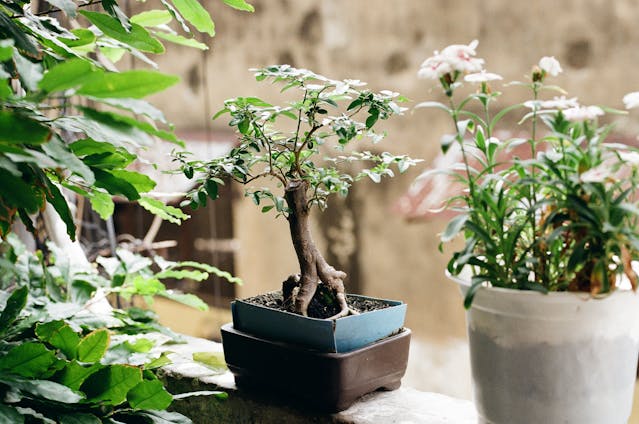
In the past, most people thought gardening required “land”, essentially a massive backyard and a tractor if you wanted to grow anything worth eating. It felt like if you lived in an apartment or had a tiny concrete patio, you were just locked out of the hobby. But small-space gardening has flipped that script. It’s not about how much square footage you own; it’s about how you use it. You don’t need a farm to pick your own dinner; you just need to stop thinking about your space as a limitation and start seeing it as a puzzle. Whether you’ve got a sunny windowsill or a balcony the size of a doormat, you can turn that “dead” space into a high-yield food source right now.
The Vertical Shift: Stop Looking Out
Most beginners look at their floor and see a dead end. When you run out of ground, start looking at your walls. Going vertical is a huge win for anyone in a small space because it turns one square foot into four. Why let a cucumber plant take over your entire balcony floor when you can train it to climb? Using the air instead of the earth just makes your space work harder for you.
- Trellises: These are perfect for beans and peas. They save your back and keep the veggies off the dirt.
- Hanging Baskets: Use your ceiling for strawberries or herbs. It keeps your tables clear for bigger pots.
- Wall Pockets: You can hang these on any sunny fence to create a literal salad bar of lettuce and kale.
Choosing the “Compact” Winners
Not every plant is built for a tiny home. The trick is to pick “doer” plants, varieties that stay small but produce a ton of food. When buying seeds, look for keywords like “dwarf,” “determinate,” or “patio-ready” instead of just the flashy pictures.
- Herbs: These are an easy win. One pot of mint or basil saves you a fortune at the store.
- Leafy Greens: Spinach and arugula grow fast. Just harvest the outer leaves and the plant keeps producing.
- Patio Tomatoes: Look for cherry varieties made for baskets. They pack way more flavor than anything in a plastic carton.
The Efficiency of a Hydroponic Vertical System
If you want to maximize every inch without hauling heavy bags of soil up to a balcony, it’s time to look at tech. A hydroponic vertical system is a massive leap forward because it removes the mess and the guesswork. Instead of dirt, these towers cycle nutrient-rich water through a vertical frame.
- Save Time: Most systems are automated with timers, so they do the watering while you’re at work.
- Reliable Growth: It’s like a 24/7 food factory for gourmet lettuce or strawberries, offering a level of success that’s hard to get with traditional pots.
- No Pests: Since there’s no soil, you cut out about 90% of the typical bugs.
Potting Mix: Why “Dirt” Isn’t Enough
In a big garden, roots can dig deep for water, but in a pot, they’re trapped in a box and totally dependent on you. You need a high-quality potting mix that’s light and fluffy so it drains well.
- Avoid Garden Soil: It’s way too heavy for containers. It eventually packs down like a brick and literally suffocates the roots.
- Feed Regularly: Every time you water, you’re washing nutrients away. A gentle organic fertilizer every two weeks keeps things growing.
- Room to Breathe: Don’t squeeze a tomato into a tiny bowl. Give the roots a real home and the plant will actually feed you.
Successional Planting: No Dead Time
To get the most out of a tiny space, you have to value time as much as square footage. As soon as one crop is done, have the next seedling ready to step in. You can even “intercrop” by planting fast stuff like radishes with slow growers like carrots. By the time the carrots need room, the radishes are already eaten.
- Zero Downtime: If your lettuce dies in the heat, immediately swap in basil or beans.
- Layering: Plant tall peppers with low-growing parsley to shade the soil.
- Calendar Trick: Track dates on your phone to predict your next garden “vacancy.”
Gardening in a small space isn’t a limitation, so don’t wait for a “perfect” yard to start your journey. Grab a couple of pots and some good soil this weekend. You’ll be surprised at just how much you can grow once you stop worrying about square footage and start focusing on the potential of the space you actually have right now. Why not pick the three herbs you use most in the kitchen and get them into a sunny spot tomorrow?