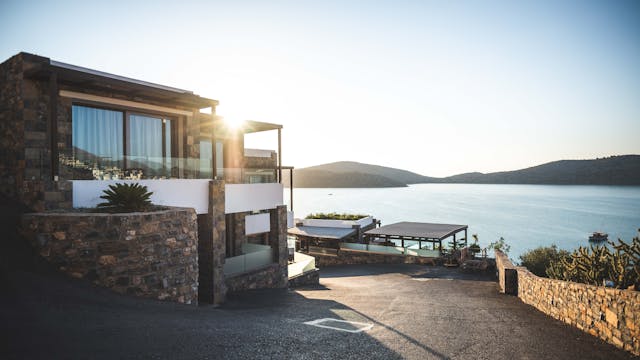
Buying a house near the ocean is the ultimate dream for many of us. You imagine waking up to the sound of waves and having the sand just a few steps away. It sounds perfect, but a beach house is a different beast than a suburban home. If you go in with your eyes shut, that dream can quickly turn into a headache. From hidden costs to salt air damage, there are traps that catch people off guard every day. Here are some of the most common mistakes you ought to buy when searching for your dazzling beachside extravaganza.
Ignoring the salt air factor
Unfortunately, salt spray is relentless. It sits on the windows, it leaves stains, it eats through metal railings and ruins outdoor furniture, but still it’s the essence of the whole house, environment and atmosphere. Luckily, you can inspect the material and top up the maintenance. Check the window frames, the AC units, and any exposed metal. If the current owner hasn’t stayed on top of the maintenance, you’ll be footing the bill for replacements sooner than you think.
Neglecting the wind
We all love a sea breeze, but on the coast, it can feel like a gale-force wind. Some spots are protected, while others are right in the firing line. If you’re searching for beautiful Palm Beach real estate places around New South Wales, do ask the professionals to find you a beachfront property that has a pergola or lovely patio or deck area that can be covered. Have in mind that it would be a smart choice to consider how the house handles those famous coastal gusts. Always visit the property on a day that isn’t perfectly calm to see what you’re really dealing with.
Skipping the erosion check
The shoreline is always moving. What looks like a solid backyard today might be shorter in ten years. Coastal erosion and rising tides are real issues that affect insurance and long-term value. Before you sign anything, check the local council maps. You need to know if the house is in a high-risk zone. It’s better to be safe now than sorry when the water gets too close to your back door.
Underestimating the tourist invasion
A quiet beach town in winter feels like a different planet in summer. In popular Australian coastal spots, for instance, you have to expect the crowds. Your peaceful street might become a parking lot during school holidays, and your majestic sea view can be overwhelmed with paragliders, speedboats, surfers, and yachts. Talk to the locals and ask how busy it gets. If you can’t find a park within three blocks of your own house in January, you need to know that now.
Rental income not guaranteed
Many buy beach houses thinking the short-term rental income will pay the mortgage. However, that is not a guarantee in most cases. You have to account for cleaning fees, management cuts, and the fact that most people only rent during the heat of summer. Make sure you can afford the property even if it sits empty for a few months of the year so you don’t end up under financial pressure.
Overlooking building restrictions
Building near the water comes with a mountain of red tape. Councils often have strict rules about height, colors, and materials to preserve the coastal look or protect the environment. You might buy a shack or a neglected and rundown cottage intending to build a second story, only to find out it’s forbidden. Always check the zoning and what are the overlay restrictions before assuming you can renovate or expand, especially when buying a new construction home near protected coastal areas.
Miscalculating insurance costs
Standard home insurance usually doesn’t cut it when you’re on the frontline of the ocean. Many insurers charge a massive premium for coastal homes because of the risk of storm surges and high winds. Some might even refuse to cover sea action entirely. Before you put down a deposit, get a few insurance quotes. You might find that the annual cost of protecting the home is much higher than you budgeted for.
Forgetting about the calm vibe
A beach suburb can feel magical during a sunny Sunday inspection, but what is it like on a Tuesday night in the middle of winter? Some coastal areas turn into ghost towns during the off-season, with shops and cafes closing early or shutting down entirely for months. If you’re considering a move to a coastal city, it can be helpful to spend some time there before making a purchase. For example, many buyers choose to rent a flat in Lisbon for a few months to experience daily life by the coast and get a better understanding of different neighborhoods before committing to a property investment. If you’re planning to live there year-round, make sure there’s enough life and basic services available once the tourists head back to the city.
Final words
Buying by the water is a lifestyle choice that brings so much joy, but it requires extra homework. Look past the beautiful sunset and focus on the practical things like maintenance, local weather, and land stability. Take your time, do your checks, and you’ll be enjoying that salt air without the stress.