Understanding the Heart of a Room
Every house has a tale. To many characters competing for attention can make the story feel rushed and cluttered. Sometimes the story moves slowly and gracefully, letting each piece of furniture, light, and texture speak. Designing a warm, intentional home starts with realizing that not every surface needs a decoration or every corner needs a chair.
Comfortable rooms aren’t always large or luxurious. These spaces reflect mindfulness and personality. One weathered armchair near a dawn window could be in a cozy living room. A reading nook may have a lamp, a wooden table, and an old rug. Each element is emotionally significant and tells a quieter, more meaningful story.
The Human Connection to Space
Except in a location that feels good, people rarely notice the emotional power of the physical surroundings. Movement is easy, discussion slows, and air is gentler in such places. Design that supports living rhythms creates equilibrium.
Furniture is key to this equilibrium. It shapes how people use the area and their everyday routines. After a long day, a couch chosen for its comfort becomes a sleeping partner. A tidy coffee table frees up thought. Small decisions form a deeper sense of belonging.
Crafting a Sanctuary Through Selectivity
To craft a home that feels alive, choose pieces deliberately. Thoughtful selection is not an act of restraint but of respect for your surroundings. When every item earns its place through usefulness or beauty, the space begins to hum with coherence.
Wood, linen, clay, and cotton each bring their own quiet language. They whisper different notes: warmth, breathability, texture. These materials remind us that comfort resides in touch as much as in sight. A wooden tabletop reveals its grain, echoing the patience of years. A woven throw across the sofa warms the air with softness and familiarity.
Curating with patience also prevents design fatigue. A room filled with meaningful pieces outlasts trends and cycles of fashion. When the furniture resonates with personal taste rather than market demand, the result is timeless.
Discovering Rhythm Through Negative Space
There is magic in emptiness. When an area remains unfilled, it forms a pause between moments, a rest between notes in a song. Negative space allows a room to breathe. It emphasizes the shape and structure of what remains.
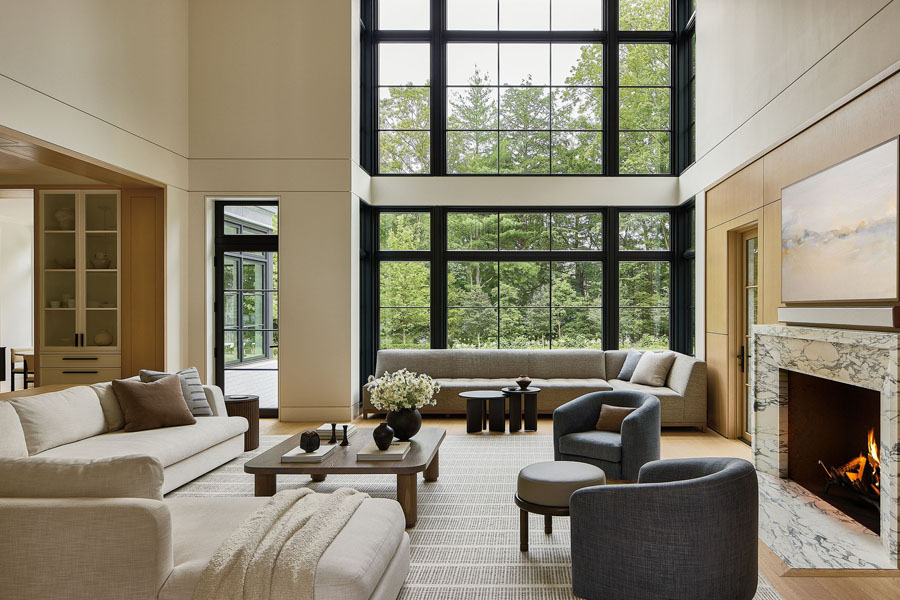
Imagine entering a living room with one sofa facing a sunny window. The air between them creates a dialogue that a decorated room cannot. Empty corners near architectural details draw attention to light and shadow, making ordinary walls calm focal points.
This method works like choreography in smaller spaces. One must consider how individuals walk between items and how light moves at different times. Well-proportioned furniture gaps provide comfort and grace, while clutter-free spaces provide visual relaxation.
Layers That Tell Personal Stories
Cozy living enhances texture and accent. Once the main furniture is in place, layer with intention. Consider these additions brushstrokes on a canvas rather than accessories to fill gaps.
Place a knit blanket lightly across the arm of a sofa as if someone has just stood up and walked away. Add cushions in natural shades that repeat the hues of the surrounding plants or artwork. Arrange books and photos that evoke cherished memories. These touches serve as warmth rather than decoration, offering glimpses of life within the design.
Lighting can enhance this layered atmosphere. A soft lamp placed strategically can replace harsh overhead lighting, creating pools of illumination that mimic candlelight. This subtle radiance turns functional furniture into living sculptures.
The Practice of Living With Intention
Designing with fewer but better elements teaches purpose. It requires patience, thought, and reevaluation. Each choice symbolizes identity, revealing what one values and releases.
When people invest in well-crafted items, they often feel a deeper bond with their homes. Quality invites care. A chair that has been repaired instead of replaced carries the marks of perseverance. A table with faint scratches recollects years of conversations. These imperfections weave history into design.
Intentional living promotes environmental awareness. Homeowners waste less by wanting less. This goes beyond aesthetics to philosophy: human comfort and ecological concern.
Maintaining Coziness Through Change
Homes evolve just as people do. Seasons shift, tastes mature, and lifestyles transform. True coziness adapts but never abandons its essence. When rearranging furniture or adding new items, revisit the core question: what supports daily life with ease and beauty?
Without overwhelming, small changes can refresh the atmosphere. Choose benches that can be used as seating or storage or tables that slide under each other. This allows adaptation without sacrificing simplicity.
Over time, living spaces should feel like an ongoing dialogue between memory and new experiences. The house becomes less an exhibition and more a trusted companion.
FAQ
How can I achieve warmth without adding clutter?
Texture, light, and color bring warmth, not quantity. Choose cotton, wool, or velvet and add warm lighting with table lamps or wall sconces. Clear surfaces and ventilation allow warmth to radiate naturally.
Is it possible to mix vintage furniture with modern pieces in a minimal setting?
Blending periods enhances the atmosphere. Select objects with similar materials or shapes. Through complementary textures, a historic oak cabinet and modern linen sofa can work well together. Balanced music has no dominant piece yet adds to a coherent rhythm.
What role does lighting play in making a room feel cozy?
Lighting quietly creates comfort. Soft, diffused light relaxes, while direct light highlights functions. Brightness and shadow create depth and life. Instead of bright bulbs, use lighting that matches day and night.
How do I decide which furniture pieces to keep during a redesign?
Begin with usefulness and emotional connection. Keep items that are comfortable, durable, and meaningful. If a piece does not serve a clear purpose or elicit a sense of joy or calm, donate or repurpose it. The goal is to craft an environment that reflects intentional living, not accumulation.
What can small apartments do to follow these principles?
This theory works best for smaller homes. Choose room-sized, versatile furniture. Use vertical space for storage instead of the floor. Create openness with light colors and transparent materials. Careful restraint makes small spaces cozy.
How do materials influence the feeling of a room?
Natural materials evoke sensory richness. Wood is warm, wool is soft, and clay or stone is grounded. These elements react differently to light, causing daytime color changes. Such materials’ tactile delight boosts emotional comfort and genuineness.
Can a house still look elegant with limited furniture?
Elegance often emerges through clarity. When lines are clean, and proportions are balanced, restraint can appear luxurious. Focus on craftsmanship, material quality, and spatial rhythm. The beauty of simplicity is that it allows refinement to become visible, letting elegance feel effortless rather than staged.