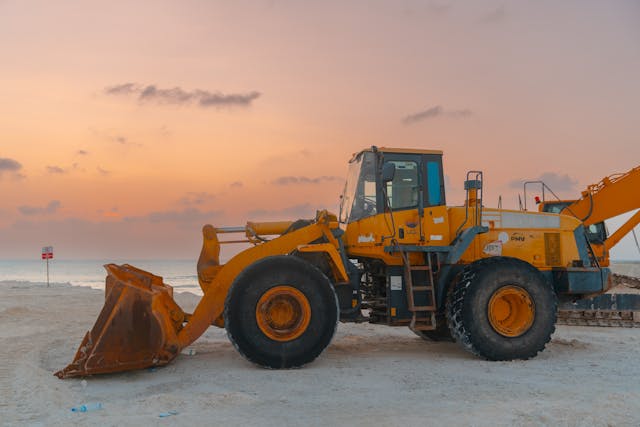
Operating heavy machinery comes with a level of responsibility that goes beyond basic skill. The right equipment not only improves efficiency but also reduces the likelihood of costly mistakes or injuries.
In many cases, safety is not about a single tool but about how multiple pieces of equipment work together to support the operator in real conditions.
Protective Gear That Reduces Immediate Risk
One of the most important layers of safety starts with personal protective equipment. Helmets, gloves, steel-toe boots, and high-visibility clothing create a physical barrier between the operator and common hazards on a construction site.
Even experienced operators rely on this gear daily because it protects against unpredictable hazards such as falling debris, sharp objects, or sudden slips. Small details, such as properly fitted gloves or anti-slip soles, often make a bigger difference than expected.
Stabilization Tools That Prevent Equipment Failure
Heavy machinery depends heavily on stable ground support to operate safely. Without proper stabilization, even the most advanced equipment can become dangerous within seconds.
This is where solutions like using outrigger pads come into play, distributing weight evenly and preventing sinking or shifting. They are especially useful on soft or uneven terrain, where maintaining balance is critical for both safety and precision.
Visibility Enhancements for Safer Operation
Limited visibility is one of the most common causes of on-site accidents, which is why enhanced visibility systems are essential. Cameras, mirrors, and proximity sensors help operators maintain awareness of their surroundings at all times.
In busy environments, these tools provide an extra layer of confidence when maneuvering large equipment in tight spaces. They are particularly useful during reversing or working near other crew members.
Communication Devices That Keep Teams Connected
Clear communication is often underestimated, yet it plays a major role in maintaining on-site coordination. Radios, headsets, and signal systems allow teams to stay in sync, especially in noisy environments where verbal communication is limited.
When operators and ground workers can communicate instantly, it reduces confusion and prevents dangerous misunderstandings. This becomes critical during complex lifts or when multiple machines are operating in close proximity.
Load Monitoring Systems for Better Control
Properly managing weight is essential when working with cranes or other lifting equipment. Load monitoring technology helps operators understand how much stress is being placed on the machinery in real time.
These systems alert operators before limits are exceeded, preventing structural damage or tipping incidents. They also improve efficiency by allowing operators to work closer to optimal capacity without unnecessary risk.
Emergency Equipment for Rapid Response
Even with the best precautions, incidents can still occur, making emergency preparedness equipment essential. Fire extinguishers, first aid kits, and emergency shut-off systems should always be within easy reach.
Having these tools readily available can significantly reduce the severity of an incident. In many cases, the speed of response determines whether a situation remains manageable or escalates into something more serious.
Ergonomic Controls That Reduce Operator Fatigue
Long hours of operation can lead to fatigue, which increases the risk of mistakes. This is why ergonomic control systems are becoming a standard feature in modern machinery.
Adjustable seating, intuitive control layouts, and vibration reduction features help operators stay comfortable and focused. When fatigue is minimized, decision-making improves, and overall safety increases.
Training Aids That Reinforce Safe Practices
Equipment alone is not enough without proper understanding, and operator training tools bridge that gap. Simulators, instructional guides, and on-site training programs help operators build confidence in a controlled environment.
These tools allow workers to practice complex scenarios without real-world risk. As a result, they are better prepared to handle unexpected challenges when operating actual machinery.
Technology Integration for Smarter Safety Systems
Modern machinery increasingly relies on integrated safety technology to reduce human error. Automated alerts, GPS tracking, and smart diagnostics create a system that actively supports the operator.
These technologies do not replace human judgment but enhance it by providing real-time data. When combined with proper training and equipment, they form a more reliable safety framework across the entire operation.
Building a Safer Operating Environment
Safer operation of heavy machinery depends on a combination of the right tools, proper training, and consistent awareness. Each piece of equipment plays a role in reducing risk and improving performance. When these elements are used together, operators can work more confidently while maintaining a higher standard of safety across every task.