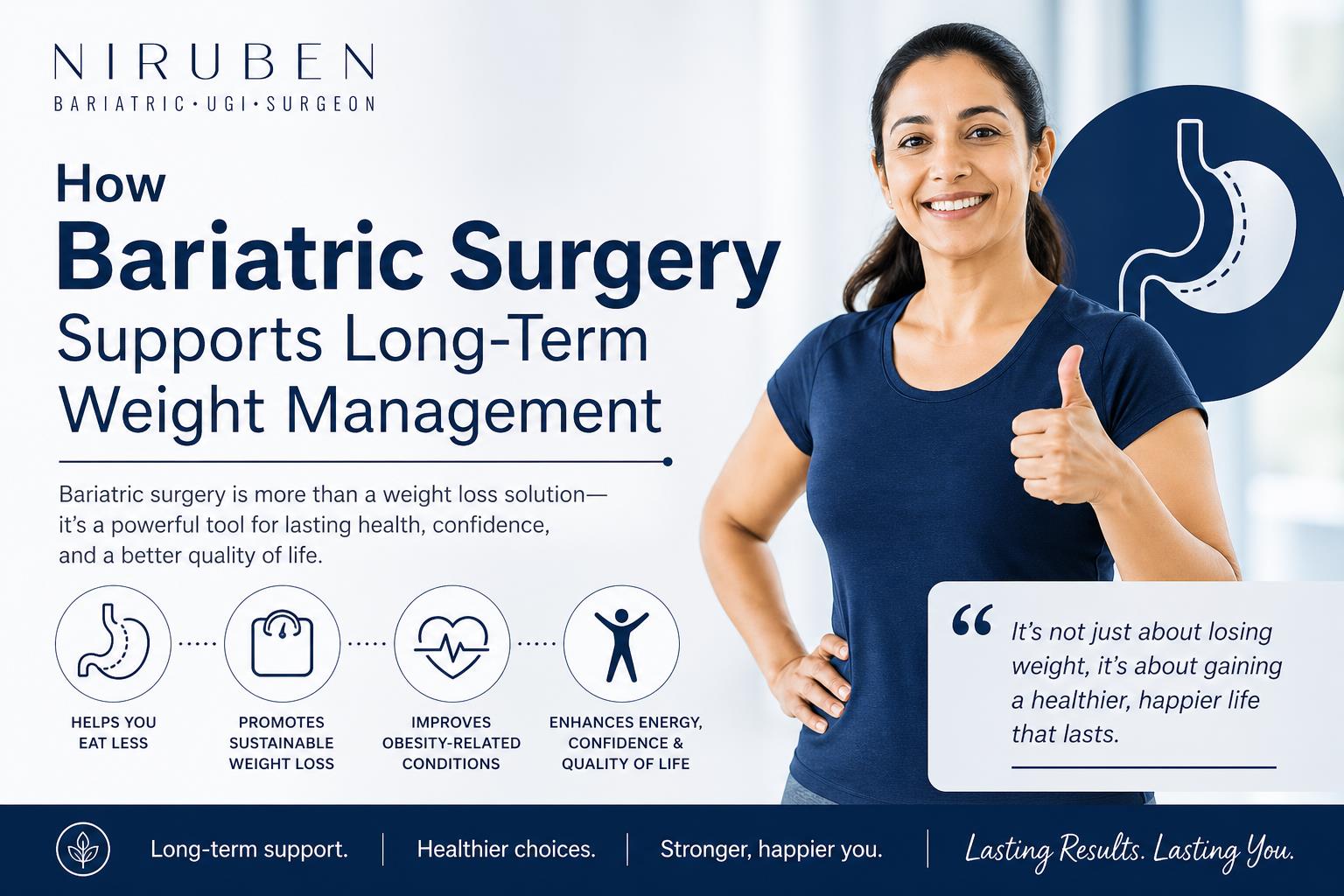
Losing weight is hard. Keeping it off can feel nearly impossible, and for millions of people, that’s not a willpower problem. That’s biology.
The body is wired to defend its stored weight, pushing back against calorie restriction through hunger hormones, slowed metabolism, and powerful cravings. No amount of discipline fully overrides that, which is exactly why so many people turn to bariatric surgery, not as a quick fix, but as a medically supported way to change the rules of the game.
People frequently inquire about the nature of a bariatric specialist for surgery prior to going through the procedure.
Is Bariatric Surgery Just a Shortcut?
This is probably the most common misconception, and it’s worth addressing head-on.
Bariatric surgery is not an easy fix for weight loss. Bariatric surgery is an intervention for obesity, which is identified as a persistent disease. Surgery alters the anatomy of the digestive tract in such a way that it affects hunger hormones, decreases food cravings, and changes how the body utilises calories as energy. This is not an easy way to lose weight; rather, it addresses the fundamental physical characteristics that make it difficult to maintain long-term weight loss after attempting to do so through traditional methods.
Think of it this way: nobody asks whether blood pressure medication is a “shortcut” for hypertension. Bariatric surgery deserves the same respect as a legitimate medical treatment.
How Does Bariatric Surgery Actually Make Weight Loss Last?
This is the right question, because short-term weight loss is easy to achieve. Long-term maintenance is where most methods fall apart.
Bariatric surgery supports lasting results through several mechanisms:
Hormonal reset – After surgery (especially a gastric sleeve), levels of ghrelin – the hormone that drives hunger- drop significantly. Patients consistently report feeling less hungry day to day, which makes portion control feel natural rather than forced.
Metabolic improvement – Many obesity-related conditions, including type 2 diabetes and high blood pressure, improve or resolve entirely after bariatric surgery. A healthier metabolic baseline makes it far easier for the body to maintain a stable weight.
Lower set point – The body defends a weight “set point” through metabolic adaptation. Bariatric surgery appears to lower this set point, reducing the biological pressure to regain lost weight over time.
Gut microbiome shift – Emerging research shows that bariatric surgery changes the gut microbiome in ways that support better energy regulation and reduced inflammation, two factors closely linked to long-term weight maintenance.
Which Type of Bariatric Surgery Would Be Better?
There’s no one-size-fits-all answer, which is exactly why a consultation with a qualified bariatric specialist matters so much. That said, here’s a quick overview of the main options:
Gastric Sleeve (Sleeve Gastrectomy) is a surgery where about 75–80% of the stomach is removed, leaving a small, tube-shaped stomach. This helps you feel full much faster and reduces hunger. Today, it’s one of the most commonly performed weight-loss procedures worldwide.
Gastric Bypass (Roux-en-Y)- will surgically divide the stomach into a small pouch and then bypass approximately two-thirds of the small intestine to create two separate stomachs. This helps you eat less and also reduces the number of calories your body actually takes in. Individuals who are recommended for this procedure generally have been diagnosed with Type 2 Diabetes and/or have a very high Body Mass Index (BMI).
Adjustable Gastric Band – A band placed around the upper stomach creates a small pouch. It’s reversible and adjustable, though less commonly performed than it once was.
Biliopancreatic Diversion with Duodenal Switch (BPD/DS) is a more advanced weight-loss surgery. It works in two ways: it limits how much you can eat and also reduces how many calories your body absorbs. It’s usually recommended for people with a very high BMI and serious health issues.
A bariatric specialist will assess medical history, current health conditions, BMI, and lifestyle before recommending the most appropriate option.
What Happens After the Surgery?
Recovery from bariatric surgery is gradual and structured. Most patients begin with a liquid diet, progressing to soft foods and then solids over several weeks. Energy levels take time to rebuild, and the body goes through significant adjustment during the first three to six months.
Patients typically attend regular follow-up appointments with their bariatric specialist team, which often includes a surgeon, dietitian, and psychologist. Nutritional supplements become a daily part of life (particularly after gastric bypass), and physical activity is introduced progressively.
Most people see the greatest amount of weight loss during their first year after surgery, then they move towards keeping their results consistent through lifestyles that can be maintained for the rest of their lives. This would be an area where support from your clinic can be highly beneficial.
Will the Weight Come Back?
Some weight regain over time is normal after bariatric surgery, but long-term results are still very positive. Research shows that most people keep off about 50–60% of their excess weight even five years later. The people who do best in the long run are those who stay committed to follow-up care and healthy habits.
The patients who do best long-term are those who engage with aftercare, stay active, and treat surgery as a tool, not the whole solution. Bariatric surgery shifts the odds dramatically in a person’s favour, but lifestyle habits are still part of the equation that will help to change things.
How Do People Find Bariatric Surgery Near Them?
Finding bariatric surgery near you is more straightforward than most people expect. Many hospitals and specialist weight loss centres offer initial consultations that cover eligibility, procedure options, and what to expect, with no pressure to commit.
When searching for bariatric surgery near you, look for accredited centres that offer a multidisciplinary team: surgeons, dietitians, psychologists, and dedicated aftercare support. The quality of long-term outcomes is strongly linked to how comprehensive that support network is.
The first step is simply having the conversation with a bariatric specialist. No commitment, no pressure, just clarity on whether this path is the right one.