Most homeowners treat the roof and gutters as two completely separate maintenance jobs.
They’re not.
They operate as one complete unit — if one goes down, the other suffers. Knowing how these two components interact with each other is one of the most valuable pieces of information a property owner can learn. When this system malfunctions…
The damage gets very expensive, very fast.
Here’s What’s Covered:
- Why Gutters and Roofing Are One System
- What Happens When Gutters Fail
- The Hidden Structural Damage Nobody Talks About
- Warning Signs Your System Is Breaking Down
- What a Commercial Roofing Contractor Should Be Checking
Why Gutters and Roofing Are One System
The roof sheds rainwater. Gutters collect it. Downspouts channel it away from the house safely.
That’s the whole system — start to finish.
Ideally rainwater runs off the fascia, soffits, exterior walls and foundation underneath. If there is a breakdown anywhere in that chain everything below it starts to suffer.
Nearly 40% of American homes have roofs that are in mediocre to poor condition. So almost half of every house in America is already susceptible to water intrusion more so than the homeowner knows. Throw in a gutter clogged with debris or a gutter hanging off by one hanger and the risk compounds quickly.
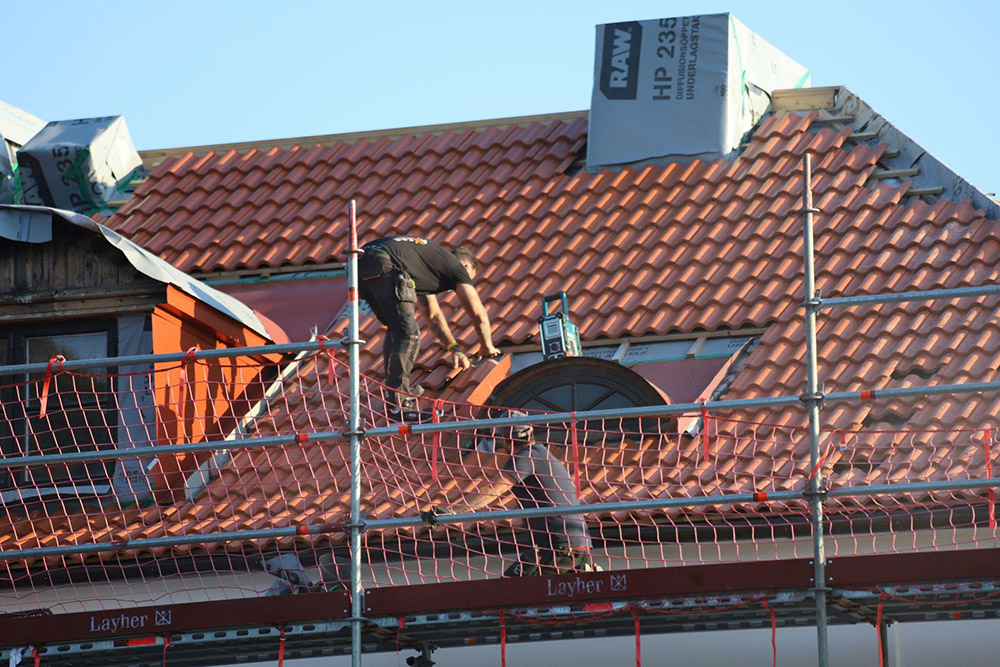
An honest Roofing Contractor in Centralia — or any knowledgeable commercial roofing contractor — knows the roof system cannot be evaluated without looking at the gutters. Gutters and roof go hand in hand when it comes to evaluating a home’s water management system.
What Happens When Gutters Fail
Gutters that are clogged, sagging, or falling apart don’t merely fail to look good. They attack the roof from the outside-in — which is why timely maintenance or professional gutter repair in Kansas City can make a critical difference in preventing structural damage.
Here’s how the damage unfolds:
Clogged gutters cause water to freeze along the roofline during cold weather — creating ice dams that push up under shingles, forcing leaks into the roof deck.
- Fascia and soffit rot can occur when water sits against the wooden roofline edges after collecting in gutters for too long.
- Shingle degradation occurs faster. If overflow wets the bottom courses of the roof, premature failure can occur long before the life of the shingle is reached.
Water damage makes up about 24% of all homeowners insurance claims annually. The average water damage claim totals $15,400. That’s the second most common claim across the country — and gutters factor into it more than most people realize.
And here’s what makes it even worse…
Most of it begins small. And stays hidden. Behind walls. In the attic. Under the fascia boards. By the time it shows up as a stain on an interior ceiling, the repair bill has skyrocketed.
The Hidden Structural Damage Nobody Talks About
The roof and gutter system doesn’t just protect the top of the house.
It protects the entire structure.
If left unchanneled, water drips down exterior walls. It pools around the foundation. It soaks into the ground and creates hydrostatic pressure on basement walls. FEMA estimates one inch of standing water can lead to up to $25,000 of damage to a home. That statistic should change how anyone looks at routine gutter cleaning.
The chain of failure typically looks like this:
- Gutters clog and overflow during rain
- Water runs behind the gutter and soaks the fascia board
- Water tracks down the exterior siding
- Water pools against the foundation below
- Foundation walls absorb moisture and begin to crack or shift
One leak leads to another. The longer water runs unchecked, the more costly the damage grows. American roofing repair and replacement costs totaled almost $31 billion in 2024 — and much of that expense began with water that wasn’t directed away from the roof’s edge.
Unchecked water runoff and excessive moisture around a home can impact more than just structural wood and foundations. High outdoor humidity and moisture accumulation near entry points can also place extra demands on home ventilation systems. Homeowners looking to manage indoor humidity alongside exterior upkeep often rely on professional hvac in Opelika to ensure indoor air stays balanced and comfortable throughout changing weather.
Warning Signs Your System Is Breaking Down
Signs that a roof and gutter system is beginning to fail are pretty obvious. It’s recognizing them early — before they become large problems.
On the roof:
- Missing, curling, or cracked shingles
- Granules from shingles accumulating in gutters (indicative of aged shingles)
- Dark streaks, moss, or algae growth on the roof surface
- Soft or sagging sections anywhere along the roofline
On the gutters:
- Visible sagging or pulling away from the fascia
- Water spilling over the gutter edges during a rain event
- Rust, holes, or separated seams at the joints
- Paint staining or peeling on the exterior walls directly below the gutters
Inside the home:
- Water stains on ceilings or upper walls
- Musty odors in the attic or upper floors
- Peeling paint or bubbling near the roofline on interior walls
Each one of these symptoms on its own is reason enough to take action immediately. Two or more? That’s a system that needs professional help now — not later this season.
What a Commercial Roofing Contractor Should Be Checking
A good commercial roofing contractor doesn’t just look at the shingles.
They look at the entire system.
So that means inspecting where gutters are attached, the fascia boards behind gutters, the drip edge that connects the roof deck to the gutter channel. Also paying attention to downspouts and extensions on the ground. All of these items are connected.
Take the drip edge for instance. It’s a little metal strip that gets installed along the roof edges. Its purpose is to guide water sheeting cleanly into the gutters. It prevents water from running behind the gutter channel or soaking the fascia below. If there is no drip edge (or it’s damaged):
- Water sneaks behind the gutter channel
- The fascia rots at a much faster rate
- The roof deck at the eave starts deteriorating quietly from below
It’s a little part with a very big responsibility. Which is why it’s one of the most frequently missed aspects of a routine roof inspection.
When engaging a commercial roofing contractor for an inspection or repair, it’s worth asking specifically about the gutters. One in 60 insured homes makes a water damage claim each year — most could avoid that headache with preventative inspection of the roof and gutters as a single system.
The Bottom Line
Gutters and roofs don’t operate independently of each other — they work as one system. Once part of that system begins to fail, the whole house can be in danger. The best part is that preventative maintenance can stop most of these problems before they start with regular professional inspections.
To quickly recap:
- The roof and gutters form a single water management system
- Gutter failures directly damage the roof, fascia, walls, and foundation
- One inch of water can cause up to $25,000 in property damage
- Warning signs appear on the roof, gutters, and inside the home
- A commercial roofing contractor should always inspect both systems together
Don’t wait until there is water damage inside the home. Once damage shows up on the inside, structural damage has already occurred.