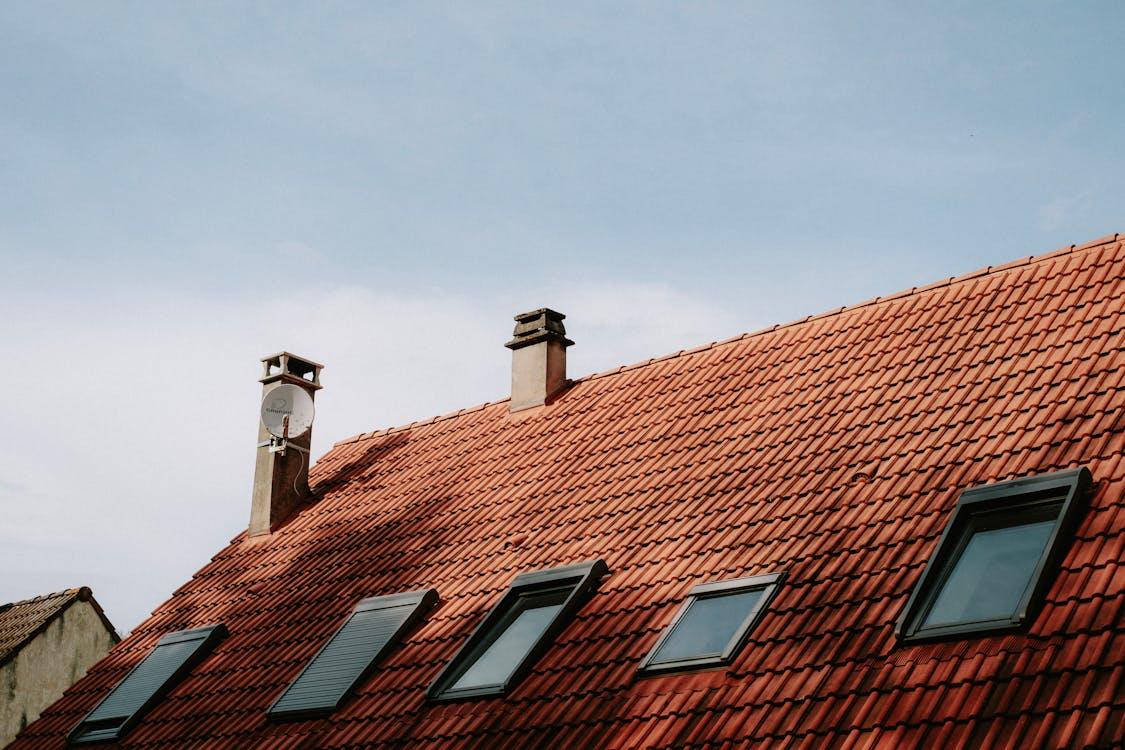
Your roof plays a major role in maintaining a comfortable and healthy indoor environment. While many homeowners focus on curb appeal or exterior durability, roofing systems also affect airflow, insulation, humidity control, and energy efficiency. Even small roofing issues can gradually disrupt indoor conditions and make living spaces less comfortable throughout the year. Poor ventilation, damaged shingles, and unnoticed leaks often allow heat and moisture to enter the home, creating conditions that affect both comfort and air quality.
Minor roofing damage may seem manageable at first, but recurring issues often signal larger structural concerns that require long-term solutions. Ignoring early warning signs can eventually lead to rising energy costs, poor indoor airflow, and moisture-related damage inside the home. When repairs stop providing lasting results, homeowners often need a more reliable solution to restore protection and efficiency.
Poor Roof Insulation Can Create Uneven Indoor Temperatures
A damaged or aging roof can make it difficult to maintain stable indoor temperatures. Cracked shingles, worn flashing, and weakened underlayment allow outdoor heat and cold air to affect the inside of the home more easily. During summer, hot air can enter through poorly insulated areas, making upper floors feel significantly warmer. In colder months, heat escapes through gaps in the roofing system, forcing heating equipment to work harder than necessary. Over time, these insulation problems can make it difficult to maintain a consistently comfortable indoor environment throughout the home.
When these problems persist despite regular repairs, homeowners may need to consider replacing the roof to restore proper insulation and improve overall energy efficiency. If you are looking for a company that offers fast roofing replacement services, there are plenty of options available. Choosing the right professionals can help prevent ongoing temperature issues and reduce the risk of future interior damage.
Local weather conditions can accelerate wear on outdoor materials, making ongoing maintenance essential for long-term home protection. When severe weather causes repeated structural strain, planning a full roof replacement in Kent can help resolve underlying ventilation issues, improve overall energy efficiency, and keep living spaces comfortable throughout changing seasons.
Roof Leaks Can Raise Indoor Humidity Levels
Roof leaks do more than create visible water stains on ceilings. Moisture that enters through damaged roofing materials can spread into attic spaces, insulation, and wall cavities without immediate detection. As moisture accumulates, indoor humidity levels begin to rise, making the home feel damp and uncomfortable. High humidity can also make indoor temperatures feel warmer than they actually are, especially during humid seasons.
Excess moisture inside the home may also damage wood trim, drywall, paint, and personal belongings over time. In some cases, homeowners notice condensation around windows or persistent musty odors before identifying the actual source of the problem. Even a small leak can gradually affect multiple areas of the home if it remains untreated.
Local environmental factors often determine how quickly minor roof issues turn into significant interior problems. In regions subject to heavy rainfall and seasonal storms, arranging timely roof repair in Albany helps prevent minor flashing or shingle defects from escalating into persistent leaks, protecting indoor humidity stability and overall structural integrity.
Routine roof inspections and timely repairs help reduce the risk of hidden moisture buildup and protect indoor air quality.
Damp Roofing Conditions Encourage Mold and Mildew Growth
Moisture trapped beneath damaged roofing materials creates the ideal environment for mold and mildew growth. Dark, poorly ventilated attics allow moisture to linger for extended periods, especially after storms or prolonged rainfall. Once mold begins spreading, spores can travel through vents and circulate throughout the home. This can negatively affect indoor air quality and create an unhealthy environment for occupants.
People with allergies, asthma, or other respiratory sensitivities may experience worsening symptoms when mold is present indoors. Persistent coughing, sneezing, headaches, and irritation are common signs of poor indoor air conditions linked to hidden moisture problems. Mold growth can also damage insulation and wooden structures if left untreated for too long. Addressing roofing damage quickly helps prevent contamination from spreading and supports a cleaner, healthier indoor living space.
Proper Roof Ventilation Helps Maintain Fresh Indoor Air
Roof ventilation plays an important role in regulating airflow throughout the home. Features such as ridge vents and soffits help move warm, humid air out of attic spaces while allowing fresh air to circulate properly. Without balanced ventilation, heat and moisture can become trapped indoors, creating uncomfortable living conditions. Poor airflow may also contribute to lingering odors and stale indoor air. Proper attic ventilation can also help extend the lifespan of roofing materials by reducing excess heat and moisture buildup beneath the roof surface.
Ventilation problems can gradually affect both comfort and energy performance. Excess heat buildup in the attic often spreads into upper living spaces, making rooms feel warmer during hot weather. Moisture trapped in poorly ventilated areas may also increase the risk of mold growth and insulation damage. Proper ventilation supports cleaner indoor air while helping homeowners maintain more consistent temperatures year-round.
Structural Roofing Damage Can Affect Overall Home Health
Long-term roofing damage can eventually impact other parts of the home beyond the roof itself. Water intrusion may weaken roof structure, damage insulation, and create soft spots in ceilings or walls. Over time, structural materials exposed to repeated moisture can begin to deteriorate. These issues often become more expensive and difficult to repair when left untreated for too long. In severe cases, prolonged moisture exposure may also compromise the stability of certain structural components inside the home.
Damaged roofing sections may also allow outdoor pollutants to enter indoor spaces more easily. Dust, pollen, and debris can circulate throughout the home, affecting indoor air quality, especially for individuals with allergies or respiratory sensitivities. Protecting the roof structure helps preserve a safer and healthier indoor environment while reducing the likelihood of major interior repairs in the future.
Protecting Comfort Starts at the Top of the Home
A well-maintained roof does far more than shield a home from the elements. It supports stable indoor temperatures, healthier air circulation, and balanced moisture control throughout the year. When roofing problems develop, they can gradually affect comfort levels and overall indoor living conditions in ways many homeowners do not immediately notice. Regular roof maintenance also helps homeowners identify small issues before they become costly repairs.
Taking a proactive approach to roof care helps reduce the risk of costly repairs and preventable interior damage. Regular inspections, timely maintenance, and addressing signs of wear early can improve both comfort and long-term property value. Homeowners who prioritize roofing health create a safer, cleaner, and more energy-efficient environment for everyone inside the home.