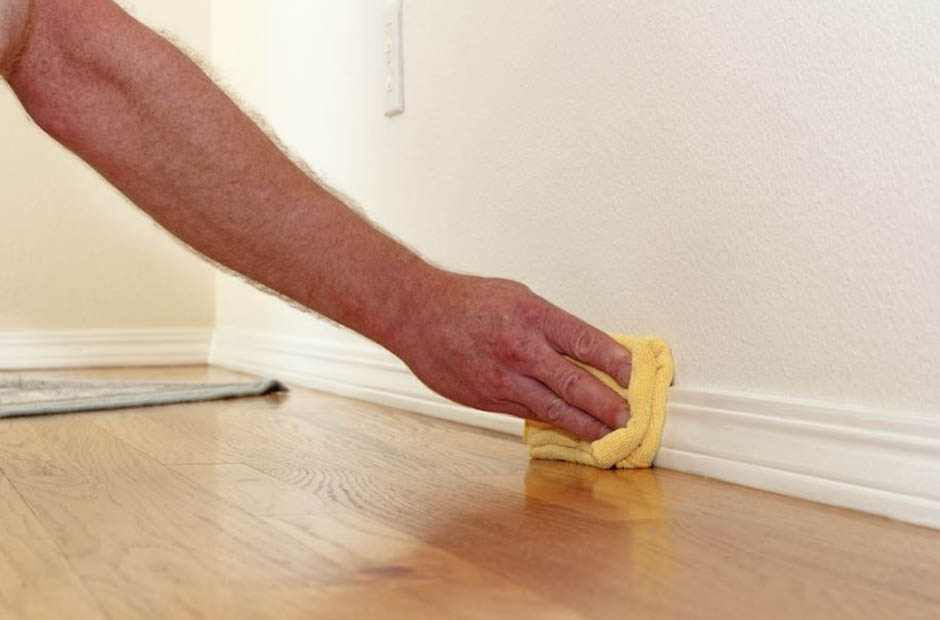
You spotted a fingerprint near the light switch, grabbed a damp paper towel, gave it a confident wipe, and now there is a shiny patch where the matte finish used to be.
Welcome to the matte paint problem.
Matte and flat paints look incredible on a wall. They hide drywall imperfections, soften light, and photograph like a high-end magazine spread. They also punish you the moment you use the wrong cleaning method.
Knowing how to clean matte paint walls is less about scrubbing harder and more about understanding what the finish can and cannot tolerate.
Why are flat finishes harder to clean than glossier ones
Matte paint has almost no sheen. The pigment sits closer to the surface, with very little resin coating to seal it.
That open, low-resin structure is what gives flat paint its soft, chalky look. It is also why a wet sponge or a strong cleaner can lift pigment, leave a halo, or burnish the spot into a glossy mark you cannot un-see.
Compare that to eggshell, satin, or semi-gloss. Glossier finishes have a tougher resin layer that shrugs off mild scrubbing and most household cleaners. With a matte finish, you are working on top of a delicate surface, not into it.
Three things tend to go wrong:
- Water rings: too much moisture pulls pigment out, leaving a visible edge.
- Burnishing: pressure plus friction polishes the matte texture into a shiny smear.
- Color lift: harsh cleaners strip pigment, leaving the spot lighter than the surrounding wall.
Once any of these happen, only a section-level repaint fully resets the finish. Spot fixes rarely blend.
Read the wall before you reach for a cleaner.
Not every smudge needs water. Half of all marks on flat painted walls come off dry.
Start with a clean, dry microfiber cloth and a soft brush. Surface dust, cobwebs, and loose debris lift easily without any liquid. A vacuum with a soft brush attachment works well along baseboards and ceiling lines.
For light scuffs, try a clean white pencil eraser or a melamine sponge used very gently. The melamine sponge is abrasive, so press lightly and test in a hidden corner first. Aggressive use will burnish the texture every time.
Identify the mark before choosing a method:
- Dust or cobwebs: dry microfiber, no liquid.
- Pencil or shoe scuff: white eraser or feather-light melamine sponge.
- Greasy fingerprint or food splatter: damp cloth with mild dish soap.
- Crayon, ink, or marker: spot treatment plus likely touch-up paint.
Skip the all-purpose spray. Skip the magic eraser at full pressure. Skip the kitchen sponge with the green abrasive side. None of those tools is designed for low-sheen surfaces.
The right way to clean matte paint walls with water
When dry methods fail, water can work, with discipline.
Mix a few drops of mild dish soap into a bowl of lukewarm water. Avoid degreasers, all-purpose sprays, and anything labeled “heavy duty.” Those formulas are built for sealed surfaces, not flat paint.
Use two clean microfiber cloths: one slightly damp, one dry. Wring the damp cloth until it feels barely wet to the touch. A dripping cloth is the fastest path to a water ring.
Dab, do not scrub. Press the damp cloth onto the mark, hold for a few seconds, then lift with light circular motions. Follow immediately with the dry cloth to absorb any remaining moisture.
Work from the outside of the stain inward. This keeps you from spreading the mess and feathers the cleaning area into the surrounding wall, which helps the spot blend back in.
If the stain resists after two gentle passes, stop. More pressure or more passes is how you create the shiny patch you were trying to avoid.
When touch-up paint beats more cleaning
Some marks will not come out, and that is the moment to switch tools.
Permanent marker, deep grease, smoke residue, and any stain that has soaked into the paint film usually need touch-up rather than further cleaning. Learning how to clean matte-painted walls also means knowing when to stop cleaning.
A few signals it is time for paint:
- The mark lightens but leaves a permanent ghost.
- A shiny burnish has appeared from earlier scrubbing.
- The cleaning attempt left a halo lighter than the rest of the wall.
- The stain is bigger than a quarter and visible from across the room.
Use leftover paint from the original job whenever possible. Stir it well, apply with a small foam roller (not a brush, which leaves visible lap marks on flat finishes), and feather the edges past the damaged spot. Match the original sheen exactly. A “matte” labeled differently between two brands can read as two completely different finishes side by side.
Habits that keep matte walls looking new
Cleaning is reactive. The real wins come from preventing marks in the first place.
Three habits to build:
- Dust walls every few months with a microfiber duster, especially above baseboards and around vents.
- Place felt pads on furniture that touches walls, including chair backs in dining areas.
- Keep a small jar of original paint, labeled by room, for fast touch-ups before stains set.
Hallways, stairwells, kids’ rooms, and entry walls take the most abuse. In high-traffic zones, consider asking your painter about a scuff-resistant flat product. Several manufacturers now make matte paints engineered to clean more like an eggshell, without the visible sheen.
FAQ
Can you use a Magic Eraser on matte paint walls?
Magic Erasers can work on matte-painted walls, but only with very light pressure on small spots. The melamine foam is mildly abrasive and will burnish or remove pigment if pressed hard or rubbed repeatedly. Test in a hidden area first, use feather-light strokes, and stop the moment the mark lifts to avoid creating a shiny patch.
What cleaner is safe for flat or matte paint?
The safest option is a few drops of mild dish soap in lukewarm water, applied with a barely damp microfiber cloth. Avoid all-purpose sprays, degreasers, vinegar, and ammonia-based cleaners. Those products are formulated for sealed or glossy surfaces and tend to lift pigment, leave halos, or permanently dull the matte texture.
Why does my matte wall look shiny after cleaning?
Shiny patches occur when pressure and friction polish the matte texture, a process called burnishing. It is most common after abrasive sponges or scrubbing in tight circles. Burnishing cannot be reversed with more cleaning. The fix is touch-up paint applied with a foam roller, feathered well past the damaged area.
How often should you clean matte-painted walls?
Most flat finishes only need a dry dusting every two to three months and spot cleaning when marks appear. Full wet cleaning across an entire wall is rarely needed and risks uneven sheen across the surface. Focus on prevention: pads on furniture, prompt spot care, and keeping original paint on hand.
A finish worth protecting
Matte paint earns its place on the wall by looking effortless. Cleaning it well means matching that ease.
Treat the surface gently: choose dry methods first, water second, and touch up paint last. Do that, and cleaning matte-painted walls becomes a five-minute task instead of a repaint.