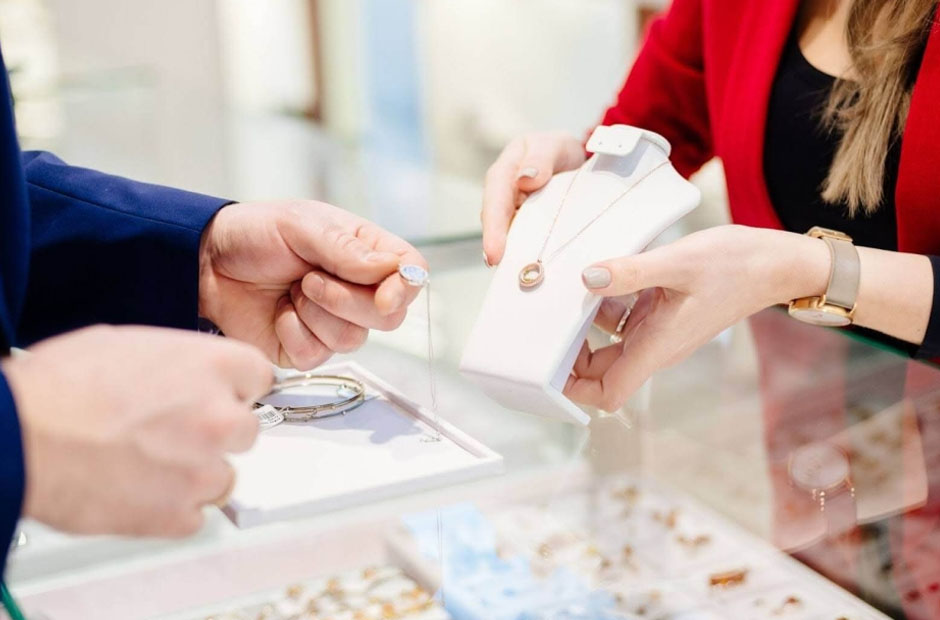
Arizona is gaining attention as more buyers, sellers, and collectors enter the state’s growing diamond resale market. Wealth migration, rising interest in estate jewelry, and changing attitudes toward secondhand luxury have all helped create stronger demand for pre-owned diamonds and investment-focused purchases. Some consumers are no longer viewing diamonds only as personal accessories but also as assets tied to long-term value and resale potential. Could a state once known mainly for tourism and retirement communities now be developing into an important center for luxury resale activity? As consumer habits continue evolving, Arizona’s role in the diamond market appears to be expanding in ways that are difficult to ignore.
Why Arizona’s Diamond Market Is Suddenly on More People’s Radar
Arizona has seen a major increase in wealth migration over the last decade, especially in cities known for luxury living and retirement communities. Many people relocating from states with long-established luxury markets bring valuable jewelry collections with them, including diamonds, estate pieces, and investment-grade items. This has created stronger local demand for appraisals, resale services, and private jewelry transactions. At the same time, growing disposable income in certain parts of the state has encouraged more spending on high-end goods and collectible luxury items.
Seasonal residents also play a role in shaping Arizona’s diamond market. Many people spend part of the year in the state and often buy, sell, or trade jewelry while managing multiple properties or estates. Why travel across the country for a transaction when experienced professionals and active buyers are available locally? Arizona’s reputation for privacy and discreet high-value transactions has also attracted people who prefer a more personal selling experience rather than large public marketplaces. Over time, this combination of wealth, migration, and luxury demand has helped the state gain attention in the diamond resale world.
Why More People in Arizona Are Selling Diamonds Than Before
Many households today own jewelry that sits unused for years, especially inherited pieces or older engagement rings that no longer match personal tastes. Instead of leaving these items in safes or storage boxes, more people are exploring the resale market to unlock their value. Economic uncertainty has also influenced consumer behavior, pushing some families to reevaluate assets they rarely use. Diamonds and luxury jewelry often become part of that conversation because they can hold significant financial value depending on quality and demand.
Attitudes toward secondhand luxury have changed dramatically in recent years. Buyers who once preferred only brand-new jewelry are now more open to purchasing pre-owned pieces, especially when craftsmanship, rarity, or pricing make them attractive. Vintage and estate jewelry has become especially desirable because many older pieces feature designs and workmanship that are difficult to find in modern mass-produced jewelry. As demand for resale items grows, more sellers feel confident entering the market knowing there is an active audience interested in these pieces.
Are Diamonds Becoming More Than Just Jewelry?
For some buyers, diamonds are no longer viewed only as symbols of romance or status. Certain consumers now see high-quality diamonds as portable assets that can store value and be passed down across generations. Rare stones with strong certifications, unique cuts, or unusual characteristics tend to attract the most attention from collectors and investment-focused buyers. While not every diamond performs well financially, scarcity and quality still play a major role in long-term demand.
At the same time, the idea of diamond investing can sometimes be misunderstood. Unlike stocks or publicly traded assets, diamonds do not have simple daily pricing systems that make value easy to track. Resale prices depend heavily on market demand, certification quality, condition, and buyer interest at a specific moment in time. Someone purchasing diamonds purely for investment purposes needs to understand that resale markets can fluctuate significantly. This makes education and careful buying decisions extremely important for anyone entering this space.
The Growing Role of Estate Jewelry and Family Heirlooms
Arizona’s large retirement population has quietly contributed to the growth of the diamond resale market. Many families relocating later in life bring decades of accumulated jewelry collections with them, including engagement rings, heirloom necklaces, and rare estate pieces. Over time, these collections often become part of inheritance discussions, estate settlements, or downsizing decisions. As a result, valuable diamonds regularly re-enter the market through family transitions and resale opportunities.
Estate jewelry often attracts buyers because it offers something different from modern retail inventory. Older pieces may feature hand craftsmanship, unique settings, or diamond cuts that are less common today. Collectors and investment-minded buyers are frequently drawn to these details because rarity can increase long-term appeal. At the same time, families selling inherited jewelry often face emotional decisions about whether to keep items for sentimental reasons or convert them into financial assets. That balance between emotional attachment and market value shapes many resale transactions.
Why Trust and Expertise Matter More Than Ever
As the diamond resale market grows, buyers and sellers are becoming far more cautious about accuracy and transparency. A professional evaluation can strongly influence how much confidence someone has during a transaction. Certifications, grading reports, and detailed appraisals help determine factors like diamond quality, authenticity, and market value. Without reliable information, sellers may undervalue important pieces while buyers risk paying more than an item is truly worth.
Experienced professionals also help people understand the realities of resale pricing. Many first-time sellers assume diamonds will automatically sell for close to original retail prices, but resale markets work very differently. A knowledgeable diamond buyer and evaluator can explain how condition, demand, and current market trends affect offers. Trust matters heavily in high-value transactions because people often sell items connected to major life events or family history. Businesses and professionals who build strong reputations for honesty and transparency tend to attract repeat clients and referrals over time.
How Luxury Trends Are Changing the Diamond Market
Younger generations are changing the way luxury goods are viewed and purchased. Many consumers today care less about buying brand-new items and more about finding value, uniqueness, and sustainability. This shift has helped strengthen interest in resale diamonds and estate jewelry. Why spend heavily on a newly manufactured piece when an older item may offer better craftsmanship or a more distinctive design? That mindset has expanded the audience for pre-owned luxury jewelry across many age groups.
Social media and online marketplaces have also increased awareness of diamond resale opportunities. Consumers can now learn about diamond grading, resale pricing, and vintage jewelry trends much more easily than in the past. This access to information has created more educated buyers who ask detailed questions before making purchases. At the same time, growing interest in sustainability has encouraged some consumers to choose recycled luxury items instead of newly mined products. These cultural shifts continue shaping how people buy and sell diamonds in Arizona and beyond.
The Reality Behind Diamond Investing
Diamond investing often sounds appealing because diamonds are valuable, portable, and historically connected to wealth. However, many people underestimate how complex resale markets can be. Retail pricing and resale pricing are often very different, and not every diamond holds strong long-term demand. Factors such as clarity, cut quality, certification, rarity, and overall market trends all influence resale potential. Without understanding these details, buyers can easily overestimate future value.
Market conditions also change over time, which affects resale opportunities. Consumer preferences shift, luxury spending patterns evolve, and economic uncertainty can influence buyer behavior. Some diamonds maintain strong demand because of rarity or exceptional quality, while others may struggle to attract competitive offers. Timing also matters more than many people realize. Sellers entering the market during periods of strong luxury demand may see very different results compared to slower economic periods.
Could Arizona Become One of America’s Biggest Diamond Resale Markets?
Arizona still operates differently from older jewelry centers that have dominated the industry for decades, but its market continues growing in noticeable ways. The state offers a combination of affluent communities, retirement wealth, seasonal residents, and active luxury resale activity that creates strong conditions for expansion. Buyers and sellers often appreciate the more private and relationship-driven nature of transactions in the region. This environment can feel more approachable than larger, highly competitive jewelry districts found in major coastal cities.
The future of Arizona’s diamond resale market will likely depend on how consumer habits continue evolving. If demand for resale luxury, estate jewelry, and alternative assets keeps growing, the state could strengthen its position even further. Local population growth and rising wealth concentration may also continue fueling activity in the high-end resale sector. While Arizona may not replace older jewelry capitals anytime soon, it is increasingly becoming a serious player in the world of diamond resale and investment.
Conclusion
Arizona’s diamond resale market reflects larger shifts happening across the luxury industry, where consumers are placing greater value on resale opportunities, estate jewelry, and informed purchasing decisions. The state’s growing concentration of wealth, active retirement communities, and demand for high-end secondhand goods have created conditions that continue attracting both buyers and sellers. At the same time, the realities of diamond investing remain complex, requiring careful research, realistic expectations, and trusted expertise. Is Arizona on its way to becoming one of the country’s most important hidden markets for diamond resale and investment? While the future will depend on economic trends and consumer demand, the state is already playing a much larger role in the industry than many people realize.