Health rarely falls apart all at once; it reflects years of repeated choices that either support the body or slowly wear it down. The encouraging reality is that strength, energy, and mental clarity develop the same way. Men who want to stay capable and sharp for decades do not need extreme programs that collapse under pressure. They need steady habits that fit real life and continue working when schedules get crowded.
Longevity depends on daily patterns that protect the heart, maintain muscle, support hormone balance, and sharpen focus. Sleep routines, training sessions, food quality, and stress management practices shape how the body responds to both opportunity and adversity. Small actions remove friction from good decisions, which makes discipline feel natural instead of forced.
Morning Structure That Sets the Tone
A controlled morning creates momentum that carries through the entire day because it reduces chaos before outside demands compete for attention. Waking at a consistent time helps regulate the internal clock, which improves energy stability and mental sharpness. Drinking water soon after getting up supports circulation and helps the body transition smoothly from rest to activity.
Exposure to natural light within the first hour reinforces healthy sleep cycles and boosts alertness in a subtle but reliable way. Gentle mobility work loosens tight muscles and increases blood flow, allowing the body to feel prepared rather than stiff and reactive.
Strength Training as a Non-Negotiable
Muscle supports far more than physical appearance because it protects joints, improves metabolic health, and enhances overall resilience. Age gradually reduces lean mass, which makes resistance training essential for long-term vitality. Regular lifting preserves strength, supports healthy testosterone levels, and improves posture, all of which contribute to feeling capable and energized.
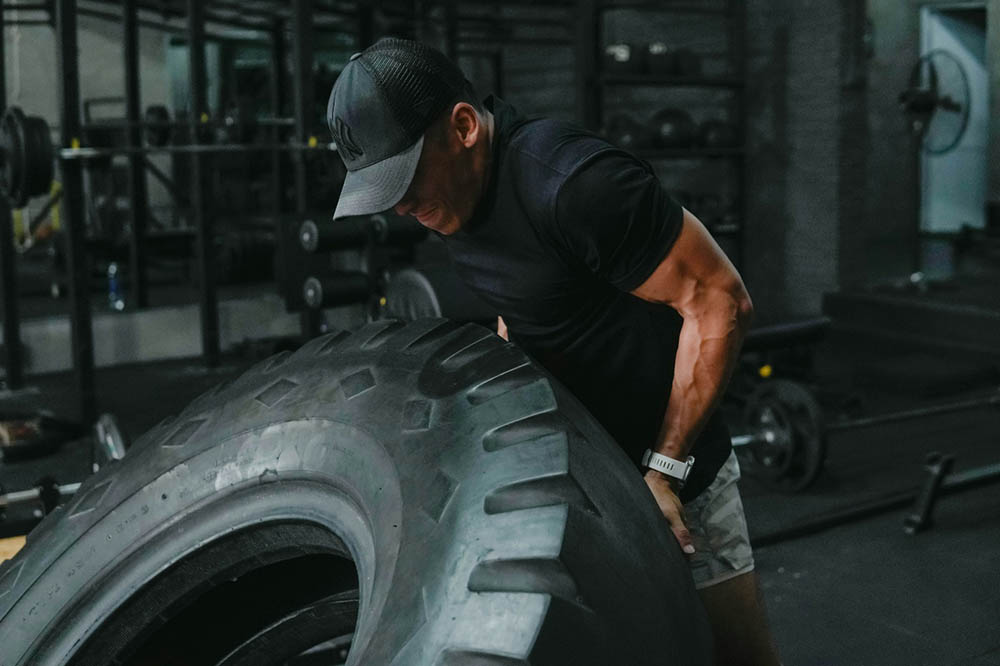
A consistent gym routine builds strength, sharpens focus, boosts confidence, improves sleep quality, and reinforces personal daily discipline over time. Structured sessions remove guesswork and create measurable progress, which keeps motivation grounded in evidence rather than emotion. Compound movements such as squats, presses, and rows train multiple muscle groups efficiently, allowing busy men to gain results without spending endless hours training.
Nutrition Without Complexity
Food choices influence energy, mood, and long-term health more than most people realize, yet nutrition does not need to become overwhelming to be effective. Meals built around adequate protein help maintain muscle tissue and control hunger, which makes it easier to avoid impulsive snacking later. Lean meats, fish, eggs, dairy, legumes, and quality plant sources provide steady support for recovery and hormone balance.
Fiber-rich vegetables, fruits, and whole grains stabilize blood sugar and promote digestive health, which contributes to consistent energy throughout the day. Highly processed foods tend to trigger cravings and lead to overeating, especially during stressful periods. Balanced meals that combine protein, healthy fats, and complex carbohydrates support focus and reduce afternoon crashes.
Sleep as a Performance Tool
Quality sleep strengthens nearly every system in the body, including hormone production, muscle recovery, cardiovascular health, and cognitive function. Men who consistently limit rest often notice reduced patience, slower reaction times, and weaker training performance, even if they try to push through fatigue.
Seven to eight hours of sleep each night provides a solid foundation for long-term health, especially when bedtimes and wake times remain consistent. A calming evening routine that reduces bright light and limits screen exposure helps the brain transition into deeper sleep stages. Thoughtful caffeine timing earlier in the day protects nighttime recovery and supports more restorative rest.
Stress Control Through Simple Daily Resets
Stress cannot be eliminated, yet it can be managed in ways that protect long-term health and steady performance. Chronic tension elevates cortisol, disrupts digestion, and increases irritability, which gradually erodes both physical and mental resilience.
Controlled breathing techniques offer a practical way to lower heart rate and restore composure during demanding moments. Slow, deliberate breaths signal the nervous system to shift toward calm, allowing clearer thinking to return. Short walks during busy days help reset attention and reduce mental fatigue while adding light physical activity that supports overall health. Regular reflection strengthens awareness of mounting pressure before it becomes overwhelming.
Social Connections That Strengthen Resilience
Strong relationships anchor mental and emotional health in ways that often go unnoticed until they are missing. Men sometimes isolate themselves under pressure, which can quietly increase stress and narrow perspective. Regular connection with trusted friends or family members creates space to share challenges and gain clarity.
Meaningful conversation builds trust and reinforces a sense of belonging. Honest dialogue about work, family, and personal goals reduces internal pressure and strengthens emotional stability. Shared activities such as hiking, recreational sports, or training sessions add another layer of accountability while supporting physical health at the same time.
Regular Health Checkpoints
Preventive care reflects strength and foresight rather than weakness. Many serious conditions develop quietly, which makes routine screenings a practical investment in long-term well-being. Annual physical exams provide an opportunity to assess blood pressure, cholesterol, glucose levels, and other key markers that influence cardiovascular and metabolic health.
Blood work offers insight into trends that may not produce obvious symptoms. Testosterone levels, lipid panels, and inflammation markers reveal valuable information about recovery, energy, and disease risk. Early detection allows small adjustments in lifestyle before problems escalate into larger interventions.
Personal Growth That Fuels Confidence
Physical strength alone does not create a sense of fulfillment. Ongoing growth in skills, knowledge, and self-awareness builds lasting confidence that extends beyond appearance or performance metrics. Men who challenge themselves intellectually often experience sharper thinking and greater adaptability.
Reading regularly expands perspective and improves communication skills. Learning new professional or personal skills keeps the brain engaged and responsive. Structured goals set on a quarterly basis create direction and prevent stagnation. Clear targets encourage disciplined effort while allowing room to adjust when priorities shift.
Small habits shape long-term outcomes more reliably than short bursts of motivation. Structured mornings, steady strength training, practical nutrition, consistent sleep, and effective stress management create a foundation that supports energy and clarity. Strong relationships, preventive health care, and personal growth deepen that foundation and protect it through changing seasons.
Each habit may seem modest on its own, yet together they form a system that compounds quietly. Discipline becomes less about force and more about identity. A man who commits to these patterns builds strength that lasts, confidence that feels grounded, and health that supports him well into the future.