Living in Central Texas means relying heavily on a functional cooling system. When temperatures climb, you expect your home to remain a comfortable sanctuary. Sometimes things do not go as planned. Components wear out and environmental factors take their toll on your machinery.
Suddenly your house feels incredibly warm. Identifying what is going wrong is the first step toward getting relief.
Fox Service Company Highlights Clogged Condenser Coils
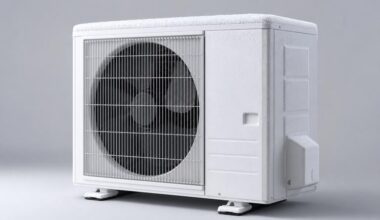
Your outdoor unit constantly pulls in air to release heat. Along with that air comes a massive amount of cedar pollen, oak pollen, and dirt from ongoing neighborhood development. This debris sticks directly to the condenser coils.
Scheduling routine AC service helps you avoid massive energy bills and sudden breakdowns. A technician will wash the exterior thoroughly to ensure the internal parts do not overheat when you need them most.
Reaching out to a team like Fox Service Company for a thorough cleaning will restore optimal airflow quickly. They possess the proper tools to wash away stubborn grime without bending the delicate aluminum fins. Ignoring the buildup forces the equipment to run longer cycles.
Oversized ACs That Short Cycle and Leave Humidity Behind
Bigger is definitely not better when selecting a cooling unit for your house. An oversized system blasts cold air incredibly fast, lowering the temperature and shutting off before it has a chance to remove moisture from the indoor air. You are left feeling clammy and extremely uncomfortable.
To correct this problem, a professional load calculation is necessary. You will likely need to install a correctly sized unit that runs long enough to dehumidify the space effectively.
Leaky Ductwork in Attics Losing Cool Air Before It Arrives
Attics get incredibly hot during the summer months. If the ducts carrying your precious conditioned air have gaps or cracks, that cold air leaks right into the roasting attic. You end up paying to cool a space you do not even live in.
Visual inspections often reveal disconnected joints or deteriorating tape along the duct seams. Having a professional seal these leaks with mastic sealant ensures the air actually reaches your living room.
Refrigerant Leaks Worsened by Texas Heat and System Strain
Cooling systems do not consume refrigerant like a car consumes gas. If the levels are low, there is a leak somewhere in the copper lines or coils. The continuous expansion and contraction caused by extreme temperature swings often create micro cracks where the pressurized gas escapes.
You might notice ice forming on the indoor coil or a hissing sound near the outdoor unit. A technician must locate the source of the leak, repair it, and then recharge the system properly. Adding more gas without fixing the hole is completely ineffective.
Thermostat Miscalibration from Wall Cavity Heat Bleed
Sometimes the equipment itself is working perfectly, but the brain controlling it is thoroughly confused. If hot air from your attic travels down the hollow wall cavity behind your thermostat, the sensor reads a false high temperature. It keeps the cooling running long after the room is actually comfortable.
Plugging the hole behind the device with fiberglass insulation resolves this error immediately. It is a simple adjustment that stops the false readings right away.