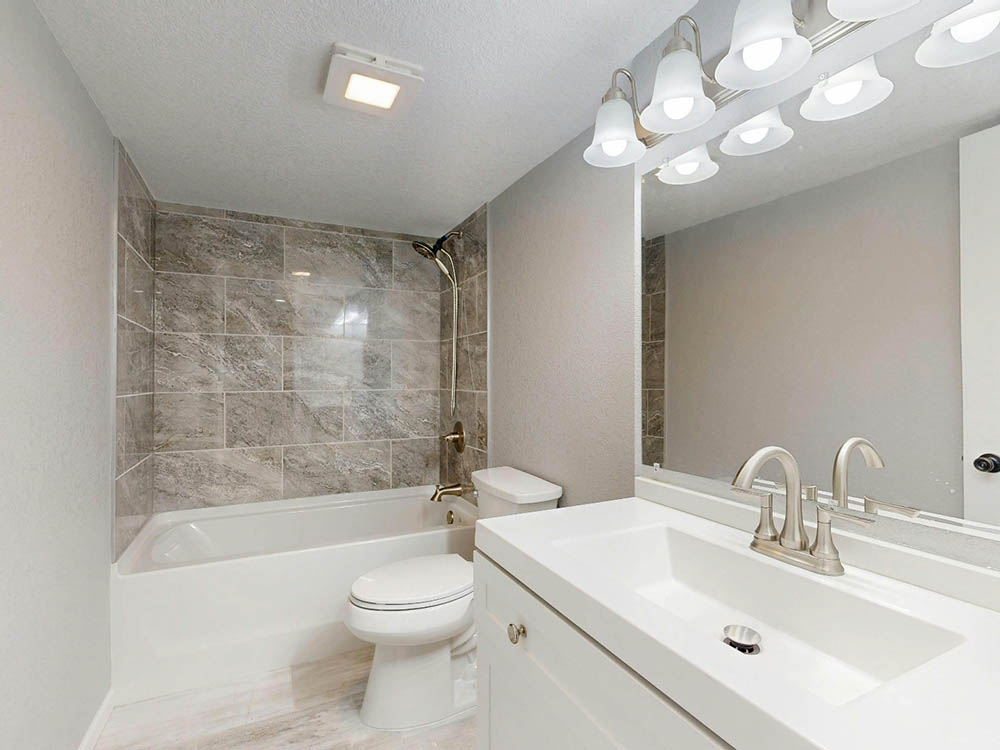
You notice it when you visit someone else’s house, and their bathroom just works better than yours, the light is softer, the shower feels easier to step into, and somehow the whole space feels calmer, even though it is not much bigger. Then you go back home, and your own setup feels a little off, not broken exactly, just not helping your day in the way it should.
People have started paying attention to that feeling more than they used to. It is not just about looks anymore, and not even just about comfort. The bathroom sits in the middle of daily routines, early mornings, late nights, quick resets during a long day, and when it does not support those moments well, it becomes noticeable in small but steady ways.
The Shift from Good Enough to Thoughtful Use
For a long time, bathrooms were built to meet a basic standard. They worked, they were clean enough, and that was the end of the conversation. Most homeowners did not question layout, accessibility, or how the space actually felt to use every day. People now spend more time at home, and they notice friction more quickly. It is less about luxury and more about removing those quiet annoyances.
Rethinking Spaces Through Bathroom Remodeling
There is a growing awareness that the layout and design of a bathroom can either support daily routines or quietly work against them. When the flow is awkward, or surfaces are hard to maintain, or safety feels like an afterthought, people start to feel it over time. It does not always lead to immediate change, but the idea sits there, waiting. There comes a point when a bathroom remodeling project seems like the only practical way forward.
The conversation shifts toward adjustments that are more structural, not just cosmetic. The focus tends to move toward usability, safety, and long-term comfort, not just appearance.
Safety Is No Longer a Secondary Thought
One noticeable shift is how safety is being considered earlier in the process. It used to be something people thought about only after an accident or as they aged. Now it is being built into decisions from the start.
Slippery floors, high tub walls, and poor lighting are common features in older homes, and they do not always stand out until something goes wrong. Homeowners are starting to question those risks sooner. It is not dramatic. It is more like a quiet realization that the space could be easier and safer to use without much compromise.
This does not mean turning the bathroom into a medical-looking space. It means subtle changes. Better grip underfoot, easier entry into showers, and lighting that actually helps instead of casting shadows. The changes are often simple, but they make daily use feel more stable.
Comfort Has Become Practical, Not Fancy
There is also a shift in how comfort is defined. It used to be tied to luxury features, large tubs, high-end finishes, things that looked impressive but were not always used often. Now comfort is more practical. A shower that heats quickly, a layout that allows easy movement, and storage that keeps clutter out of sight without being hard to access. These are not flashy upgrades, but they change how the space is experienced every day.
People are also thinking longer term. They want a space that works now and continues to work years down the line. That means fewer design choices that look good but age poorly in function. It is a quieter kind of planning, but it shows up in the final result.
Maintenance and Time Are Bigger Factors Now
Time has become a bigger factor in home decisions, and bathrooms are no exception. People do not want to spend extra time cleaning hard-to-reach areas or dealing with materials that stain easily or wear out quickly. This has led to more interest in surfaces and layouts that are easier to maintain. Seamless designs, fewer joints where grime collects, and materials that hold up with less effort. It is not about being lazy. It is about recognizing that daily life is already busy, and the home should not add unnecessary work.
The Influence of Work and Home Life Blending
Another factor that comes up, though not always directly, is how work and home life have started to overlap more. People spend more time at home, sometimes working from it, sometimes just being present in it for longer stretches. This changes how every room is used, including the bathroom. It becomes part of a daily rhythm that includes work calls, quick breaks, and resets between tasks. If the space feels cramped or inefficient, it stands out more because it is used more often.
There is also a psychological side to it. A well-functioning space can make transitions between tasks feel smoother. It is subtle, but it affects how the day flows. When things work without friction, even small routines feel easier to move through.
Small Spaces, Bigger Expectations
Bathrooms are often one of the smaller rooms in a home, but expectations around them have grown. People want more out of the same square footage. Better storage, better lighting, better flow. This creates a bit of tension. You cannot always expand the space, so the focus shifts to how it is used. Every inch matters more. Layout decisions carry more weight. It becomes a puzzle of function rather than just decoration.
Designers and homeowners alike are paying closer attention to these details. It is not about squeezing in more features. It is about making the space feel less restrictive. That can be achieved through layout, lighting, and sometimes just removing what is not needed.
The Emotional Side That People Don’t Talk About Much
There is also a quieter, emotional layer to all this. The bathroom is one of the few private spaces in a home. It is where people start and end their day, often without distractions. When that space feels off, cluttered, poorly lit, and hard to use, it affects mood in ways that are easy to overlook.
This shift in attention does not seem temporary. Once people notice how much a functional bathroom affects their routine, it is hard to unsee. The focus moves from surface-level updates to deeper improvements that hold up over time. Bathrooms have always been essential, but they were not always considered carefully. That is changing. Not in a loud way, but in a steady, practical way that reflects how people are thinking about their homes overall.