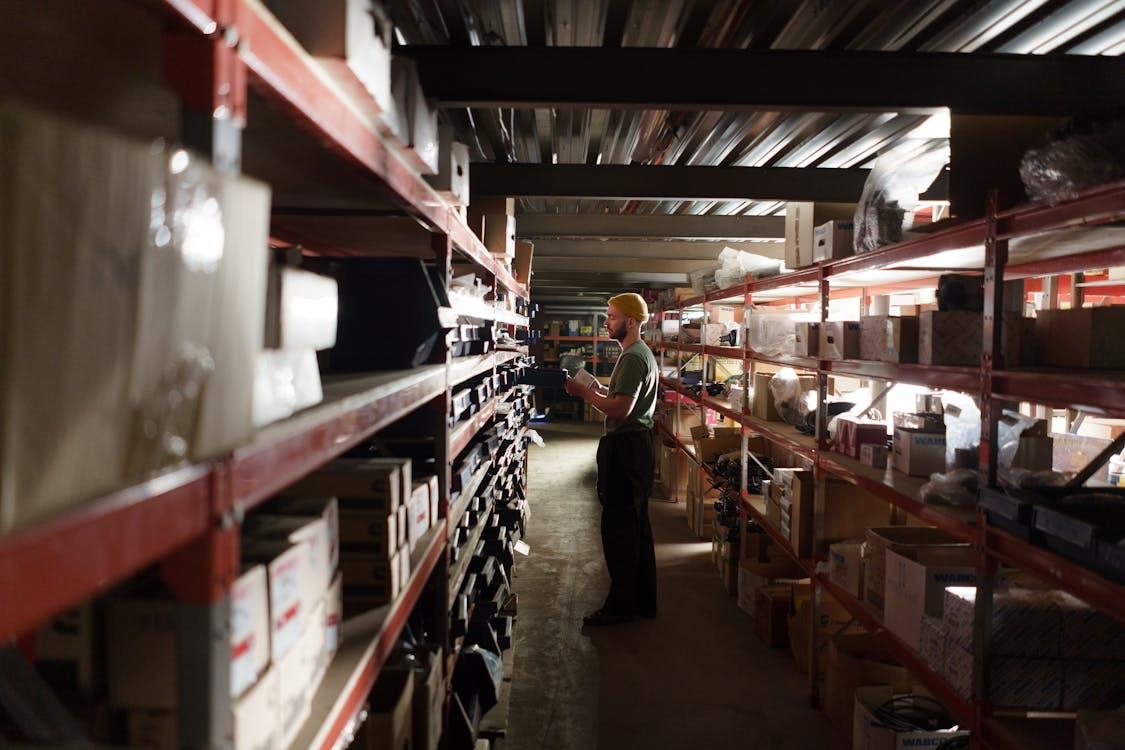
Reactive inventory management is the silent profit killer.
It’s why shops are disorganised every Q4. It’s why warehouses are full of unsellable stock and empty when customers want to buy. It’s costing so much more than most owners realise.
Here’s the kicker:
The majority of companies don’t even realize they are reactive. They believe they are inventory management. In reality, they are simply responding to last week’s events.
In this article you will find out why this method is hemorrhaging money and how to stop it.
Let’s jump in!
Here’s the rundown:
- What Reactive Inventory Management Actually Looks Like
- The Real Cost Of Being Reactive
- Why Seasonal Demand Forecasting Changes Everything
- 4x Signs You’re Stuck In Reactive Mode
What Reactive Inventory Management Actually Looks Like
Reactive inventory management is when you make decisions about stock after something goes wrong.
Sound familiar? You run out of something, so you place a panic order to replenish it. You have a glut in the warehouse, so you discount it to move it.
This is the cycle most businesses are stuck in.
Reactivity means always being one step behind. You can’t plan. You can’t predict. You can’t grow in a predictable way. Each decision is made under duress — which is another way of saying it’s the wrong decision.
The solution? Shift from reactive to proactive. The best way to accomplish this is by taking seasonal demand forecasting seriously with the right demand planning software that leverages your historical sales data to forecast exactly how much you’ll need and when you’ll need it.
This is the difference between guessing and knowing.
The Real Cost Of Being Reactive
The majority of business owners believe reactive inventory management costs them a few sales here or there. The reality is far more severe than that.
Here’s why…
When you’re reactive, you’re paying for it in five different ways:
- Lost sales: Stockouts mean customers go to your competitors
- Tied-up cash: Excess stock is just money sitting on a shelf
- Storage fees: Every extra unit costs you to keep
- Markdowns: You discount old stock just to get rid of it
- Brand damage: Customers stop trusting you to deliver
The numbers are kind of crazy. U.S. retailers lose about $1.75 trillion annually due to poor inventory management practices.
That’s not a typo. Trillion.
It doesn’t get much better on the smaller scale either. Businesses spend 25% to 35% of their budget on inventory costs. So if you’re mismanaging inventory, you’re wasting up to a third of your operating budget.
Pretty scary, right?
Stockouts Are Quietly Killing Your Revenue
Here’s a stat that should keep you up at night.
Stockouts alone cost retailers 4.1% of sales. Think about that. If your business is doing $5 million a year, you could be losing $200,000+ to empty shelves alone.
And the worst part? Most owners are completely unaware this is happening. They look at their revenue numbers and see everything is “fine” — never realising what they could have made if their inventory was correct.
Why Seasonal Demand Forecasting Changes Everything
Seasonal demand forecasting is the method of anticipating customer demand to change over the course of a year based on previous demand and trends.
Sounds technical — but the idea is simple.
Most businesses are cyclical in nature. Perhaps you see a surge of sales during the holiday season. Perhaps summertime is your busy season. Perhaps the beginning of the school year is when things get hectic.
If you can predict those shifts accurately, you can:
- Stock the right products at the right time
- Avoid stockouts during peak periods
- Reduce excess inventory during slow periods
- Plan your cash flow with confidence
This is what divides growth businesses from the ones that just survive. Advanced forecasting software relies on machine learning to digest years of sales history, weather, and holiday calendars.
The outcome? Forecasts that are orders of magnitude more accurate than the “look at last year and add 10%” approach.
How Seasonal Demand Forecasting Actually Works
The basic concept is to identify trends using actual data — and then act before peaks or valleys actually occur.
A good seasonal demand forecasting process looks like this:
- Pull in historical sales data (the more years, the better)
- Identify recurring seasonal patterns by SKU
- Layer in external factors (weather, holidays, promotions)
- Generate forecasts for each upcoming period
- Adjust orders, staffing, and cash flow accordingly
Companies that do this well aren’t blindsided. They know what’s coming weeks (or months) ahead of time.
4x Signs You’re Stuck In Reactive Mode
Not sure if you’re stuck in the reactive cycle? Here are the warning signs.
You Place Emergency Orders Regularly
If “rush order” is in your regular vocabulary, that’s bad. Expedited orders are more expensive, take longer, and usually mean that you’ve already lost sales while waiting for the product to arrive.
Efficient businesses have just-in-time replenishment. They will never be out of stock, their forecasts told them to reorder weeks ago.
Your Slow-Moving Stock Pile Keeps Growing
Walk through your warehouse. What percentage of what you see has been there more than 90 days?
When the answer makes you cringe, you have a forecasting problem. Inventory mismanagement costs global businesses $1.1 trillion annually. Most of that is dead stock businesses just thought they needed.
You Can’t Predict Cash Flow With Confidence
This one is huge.
If you can’t tell your accountant what stock you will need in three months, then you are in the dark. Managing reactively means your cash flow is always a mystery.
You Make Major Decisions Based On Gut Feel
A gut feel is not a bad thing. It has its place. But not when you are placing a six-figure inventory order. Reactive businesses often rely on the owner’s gut feel because they don’t have data they can trust. But gut feel doesn’t scale.
Final Thoughts
Reactive inventory management is one of those problems that hides in plain sight.
It doesn’t come in a neat line item on your P&L. It shows up as missed sales, trapped cash, panicked Q4s, and inexplicably slow growth. To re-cap:
- Reactive inventory management quietly bleeds cash from your business
- The cost is much bigger than most owners realise
- Seasonal demand forecasting is the proven fix
- The right software can do most of the heavy lifting
The winners today are the businesses that stopped reacting and started forecasting. They know what’s coming. They’re ready for it. And their margins show it.