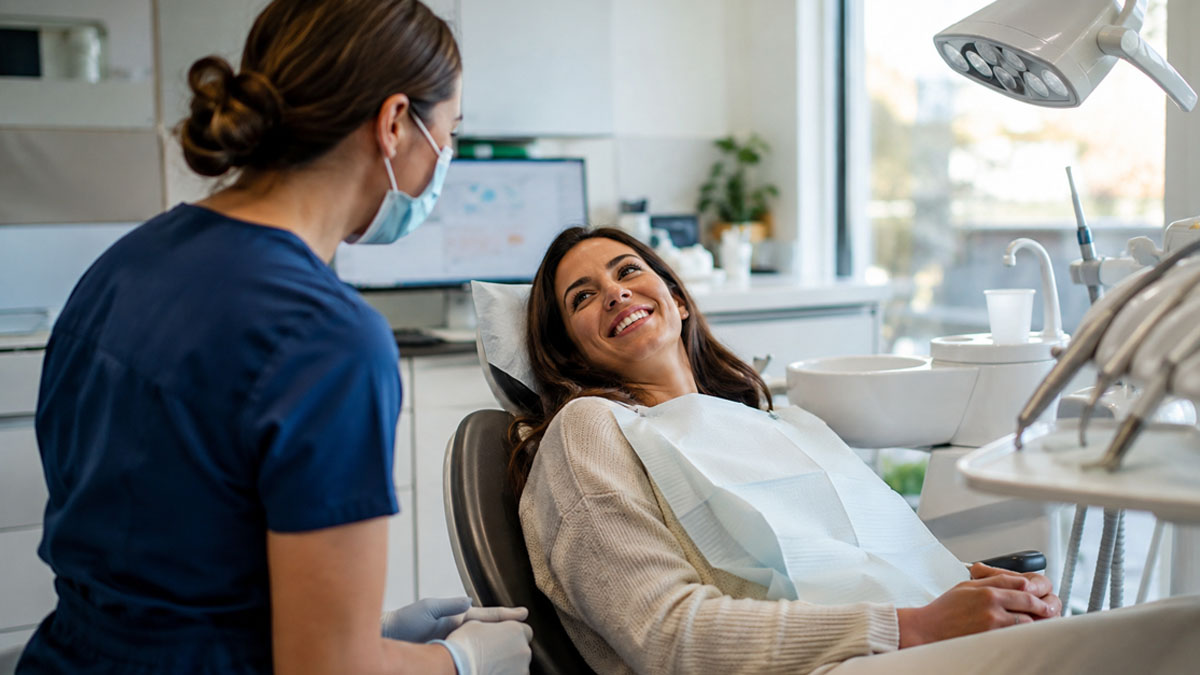
Anyone who has spent forty minutes in a poorly padded dental chair with a neck that bends at an unnatural angle knows exactly why equipment matters. Orthodontic practices run on appointment blocks that stretch well past the hour mark, which means every piece of furniture in the operatory has a direct impact on how patients feel when they walk out the door. When you are looking at practices to handle your own treatment, the chair is rarely the first thing you consider, but it should be. If you are currently researching treatment options and trying to find an orthodontist in winnipeg or anywhere else for that matter, understanding what makes a chair comfortable can also tell you a lot about how a clinic approaches patient care. The following six chairs are the ones that keep showing up in modern clinics because they actually solve the problems that come with longer procedures.
1. A-dec 500 Series
The A-dec 500 has been a clinical workhorse for decades, and the current generation still holds up because of its simplicity. You get a thin backrest that allows the clinician to sit close to your head without straining, which matters when they are adjusting brackets or changing archwires for forty five minutes at a stretch. The chair itself uses a seamless upholstery system, so there are no crevices where vinyl can tear and trap debris. That directly affects you because a chair that gets cleaned properly between patients is one less thing to worry about during a global health conversation that never really went away.
The programmable positions on the 500 are another feature that earns its keep. Your clinician can set a specific position for taking X-rays, another for the actual procedure, and another for getting you out of the chair without feeling like you just rolled off a carnival ride. The lumbar support is decent, though it is not the most plush option on this list, and the armrests rotate out of the way so you can get in and out without contorting your body. Clinics that choose the A-dec 500 tend to run high volume schedules because the chair is nearly indestructible, and that reliability translates into fewer cancellations when equipment breaks down.
2. Belmont Voyager II
Belmont built the Voyager II with a focus on patient positioning that feels more like a zero gravity recliner than a traditional dental chair. The synchronized articulation of the backrest and leg rest means your body stays in a natural alignment as the chair moves, so you do not get that jarring sensation of your upper body dropping while your legs stay pinned. For longer orthodontic adjustments or any procedure that requires you to keep your mouth open for extended periods, that kind of smooth motion reduces the muscle tension that builds up in your neck and shoulders.
The Voyager II also comes with a programmable foot control that lets the clinician preset multiple positions, and the chair has a lower profile than many competitors, which makes it easier for children and older adults to climb in without assistance. The upholstery options include a memory foam upgrade that makes a real difference when you are lying still for an hour. If you have ever left a dental appointment with a sore tailbone, you understand why that foam matters more than the color of the trim.
3. DCI Edge 200 Series
The Edge 200 from DCI takes a slightly different approach by focusing on the articulation point between the seat and the backrest. That pivot is where most dental chairs fail over time, because it carries the bulk of your body weight and takes constant abuse from the hydraulic lift mechanism. DCI reinforced that joint with a thicker bearing assembly, which means the chair does not develop that annoying wobble after a year of heavy use. For you, that translates to a stable platform during delicate procedures where sudden movement can cause problems.
This chair also features a two piece articulating headrest that supports your head without forcing your chin toward your chest. That may sound like a minor detail, but when you are in a supine position for a long appointment, the angle of your cervical spine determines whether you sit up afterward feeling fine or feeling like you need a chiropractor. The Edge 200 has a slim profile that gives the clinician more legroom to work close to you, and the dual axis left and right pivot armrests make entry and exit much easier for patients with limited mobility.
4. Planmeca ProSeries Chair
Planmeca is better known in the imaging world, but their ProSeries chair deserves attention because it integrates so cleanly with their digital ecosystem. The chair itself has a synchronous movement system that keeps your body in a physiological position throughout the entire range of motion, which reduces the sliding sensation you often feel when a chair tilts back. The upholstery uses a cold foam that firms up in response to pressure, so you get support where you need it rather than sinking into a soft pad that leaves your lower back unsupported.
The ProSeries chair also includes a programmable return path that brings you back to a seated position slowly, which matters if you are prone to dizziness when you sit up too quickly. Another practical feature is the multifunctional foot control that allows the clinician to move the chair while keeping both hands on their instruments, which shortens the overall appointment time because they do not have to stop and reposition you manually. Clinics that have invested in a full Planmeca setup often pair this chair with their panoramic imaging units, creating a workflow where you barely have to move between scans and treatment.
5. Midmark Lateral Legacy System
The Lateral Legacy System from Midmark breaks the mold because it moves laterally alongside the patient rather than lifting them vertically. This design serves two purposes. First, it keeps your head at the same height through the entire range of motion, which is easier for patients who feel anxious about being raised off the ground in a traditional lift chair. Second, it allows the clinician to position your head precisely where they need it without adjusting the whole chair in a way that shifts your body position.
This chair is particularly common in pediatric and special needs practices because the low entry height makes transfers simpler and safer. If you are an adult who just wants a stable platform, the Lateral Legacy still delivers with a wide seat base and a headrest that accommodates different neck lengths. The maintenance profile is also lower than some competitors because the lateral movement mechanism has fewer hydraulic components that can leak or fail over time. For a busy practice that sees patients back to back, that reliability means fewer emergency cancellations when equipment goes down midweek.
6. Ritter Evolution Dental Chair
Ritter has been around long enough to know what matters, and the Evolution chair reflects that institutional knowledge in ways that are not obvious at first glance. The armrests swing a full 180 degrees, which sounds like a minor feature until you try to get into a chair that only gives you a forty five degree opening. The seat cushion uses a contour that supports your thighs without putting pressure on the back of your knees, which is the kind of detail that prevents your legs from falling asleep during a long appointment.
The Evolution also has a dual pivot headrest that can be adjusted with one hand, so the clinician can fine tune your position without making you wait while they fiddle with knobs. The programmable positions include a Trendelenburg setting that tilts your feet above your head, which some clinicians use for patients who feel faint during procedures. The chair cover is made from a material that resists punctures and tears, and it cleans up with standard disinfectants without degrading, which keeps the chair looking new for years.
What to Look for When You Sit Down
When you visit a clinic for a consultation, pay attention to the chair before you sit in it. Look at whether the upholstery has visible wear or cracks, because that tells you how well the practice maintains their equipment. Ask yourself whether the chair has a smooth entry and exit path, and test the armrests to see if they actually swing out of the way. The positioning controls should let the clinician move you into a comfortable position without you having to scooch around on the seat to get aligned. A chair that forces you to adjust your own position during a procedure is a chair that will leave you sore when the appointment ends.
That level of clinical attention to physical comfort often carries over to other aspects of care. The same practice that invests in chairs with proper lumbar support is usually the same practice that uses digital scanning instead of goopy impression trays, and they are more likely to offer amenities like warmed blankets or noise cancelling headphones. Those details seem superficial until you are the one sitting in the chair for ninety minutes while an orthodontist fine tunes the torque on your molars. Comfort is not a luxury in a clinical setting, it is a functional requirement that affects how still you can hold and how relaxed your jaw stays during the procedure.
The choice between these six chairs ultimately comes down to what matters most in your specific situation. If you are needle shy and need a chair that does not make you feel elevated off the ground, the Midmark Lateral Legacy gives you a stable platform. If you are tall and always feel like your neck is craned at an awkward angle, the Planmeca ProSeries with its synchronous movement will keep your spine aligned. If you are bringing a young child in for early treatment, the low entry height of the Ritter Evolution makes the whole experience less intimidating. Sit in a few chairs during your consultation visits and note the differences, because your back will thank you for the research years down the road when you are still wearing your retainer.
Modern dental chair manufacturers have also started paying attention to the environmental impact of their production, with several brands offering upholstery made from recycled materials and using manufacturing processes that reduce volatile organic compound emissions. A chair like the A-dec 500 uses a vinyl that meets strict indoor air quality standards, which matters in a small operatory where you are breathing that air for an hour at a time. The A-dec product page details their materials testing protocols, and the Midmark chair lineup shows similar attention to material safety. Those certifications are not just marketing talking points, they affect the actual air quality in the room where you receive treatment. If you have ever walked into a brand new clinic and smelled that chemical off gassing smell, you know exactly why this matters for your health and comfort during longer appointments.
The last thing worth considering is how the chair integrates with the rest of the operatory equipment. A chair that sits too high or too low relative to the delivery system forces the clinician to work in awkward positions, which can make them rush or cut corners to finish faster. When you are in the chair, glance at whether the clinician seems to reach comfortably for their instruments or whether they are stretching and straining. That ergonomic mismatch has a direct impact on the precision of your treatment, because a tired clinician makes more mistakes. The best chairs on the market are the ones that disappear into the background, letting both you and the clinician focus entirely on the work at hand.