Your HVAC system does more than heat and cool your home. It supports indoor comfort, manages airflow, and helps control humidity throughout the year. Changing weather conditions can place heavy pressure on the system, especially during long summers and freezing winters.
As outdoor temperatures shift, your equipment must work harder to maintain stable indoor conditions. This extra demand can increase energy use, reduce efficiency, and shorten the lifespan of critical components. Homeowners who understand how weather affects HVAC performance are often better prepared to prevent expensive repairs and uncomfortable indoor conditions.
The Toll of Temperature Extremes on HVAC Performance
Extreme heat forces air conditioners to run longer and more frequently during the summer months. When temperatures remain high for several days, the system may struggle to maintain a consistent indoor temperature. Overworked compressors and fans can wear out more quickly under these conditions. Regular inspections, coil cleaning, and seasonal system checks can reduce unnecessary strain before peak temperatures arrive. Winter weather also creates challenges for heating equipment.
Frozen components, restricted airflow, and sudden temperature drops can force furnaces and heat pumps to operate harder than normal. Because weather-related strain can gradually weaken important HVAC components, many homeowners choose to schedule professional service before peak seasons begin. Preventive care helps improve efficiency, supports consistent indoor comfort, and lowers the risk of sudden system failures during extreme temperatures. If you are looking for a company that offers AC maintenance and tune-up services, there are plenty of options available.
Humidity Changes and Their Effect on Indoor Air Quality
Humidity levels can change significantly between seasons, and these shifts directly affect indoor comfort. During the summer, excess moisture in the air can make rooms feel warmer than they actually are. As a result, homeowners may lower thermostat settings more often, forcing the HVAC system to work harder. High humidity can also encourage mold growth, musty odors, and poor indoor air quality if ventilation is limited.
Dry winter air creates a different set of problems inside the home. Low humidity may cause dry skin, irritated sinuses, and discomfort for family members. It can also affect wood flooring, furniture, and household materials over time. Proper HVAC maintenance helps regulate indoor moisture levels more effectively. Clean ductwork, balanced airflow, and functioning ventilation systems all contribute to healthier indoor conditions throughout changing seasons.
High Winds, Storms, and Outdoor Debris Problems
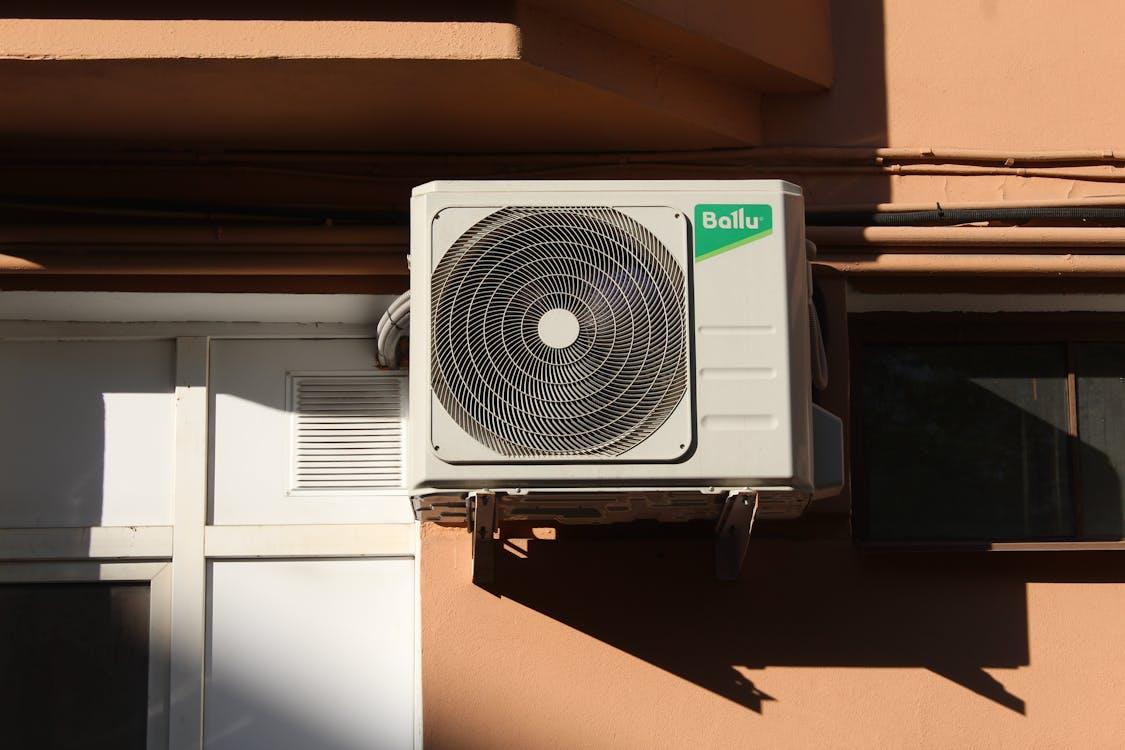
Strong winds and seasonal storms can create serious problems for outdoor HVAC equipment. Leaves, dirt, branches, and other debris often collect around condenser units, limiting airflow and reducing system efficiency. When airflow becomes restricted, the system must use more energy to maintain indoor comfort. This added strain may increase wear on important components and raise utility bills over time.
Homeowners should inspect outdoor units regularly after storms or heavy winds. Clearing debris, trimming nearby plants, and keeping the surrounding area clean can improve airflow and reduce unnecessary strain on the system. Professional inspections are also valuable after severe weather events, as technicians can identify hidden damage that may not be visible during a routine visual inspection.
Thermostat Fluctuations During Seasonal Transitions
Spring and fall often bring unpredictable temperature changes throughout the day. Homeowners may switch between heating and cooling settings frequently to stay comfortable indoors. These constant thermostat adjustments force HVAC systems to cycle on and off more often than usual. Frequent cycling strains electrical components and can reduce overall system efficiency over time. Over time, this repeated strain may shorten the lifespan of important HVAC components and increase maintenance needs.
Smart thermostat settings can help reduce unnecessary cycling during transitional seasons. Keeping indoor temperatures stable allows the system to operate more efficiently and with less stress. Routine inspections also help identify worn capacitors, loose electrical connections, and other issues that may worsen when systems cycle repeatedly during mild weather conditions. Homeowners who monitor thermostat usage carefully can often improve comfort while lowering energy consumption.
Air Filter Health and Seasonal Airborne Pollutants
Seasonal weather changes often bring increased pollen, dust, and airborne debris into the home. During spring and summer, allergens can accumulate quickly in HVAC filters, restricting airflow. Fall weather may introduce additional dust and outdoor particles, further reducing system efficiency. Dirty filters force HVAC systems to work harder to circulate air throughout the home. Restricted airflow can also create uneven temperatures in different areas of the house.
Replacing filters regularly improves airflow and supports healthier indoor air quality. Clean filters also reduce stress on motors and fans, helping the system maintain consistent performance. Homeowners should inspect filters more frequently during high pollen seasons or after periods of heavy outdoor dust. Professional servicing can also identify airflow restrictions that basic filter replacements may not fully resolve. Consistent filter maintenance also helps reduce the buildup of contaminants inside ductwork over time.
Mechanical Wear and Tear During Sudden Weather Changes
Rapid temperature swings place additional pressure on HVAC components that are already subject to daily wear. Compressors, blower motors, and refrigerant lines often work harder during sudden cold fronts or unexpected heat waves. Systems already struggling with minor issues may fail when weather conditions change abruptly. Older HVAC systems are often more vulnerable to damage during periods of unpredictable weather.
Small mechanical problems can become expensive repairs if they remain unnoticed for too long. Unusual noises, uneven temperatures, and reduced airflow may indicate underlying damage that requires professional attention. While homeowners can handle simple tasks like changing filters and cleaning vents, trained technicians can identify worn parts before they lead to larger system failures. Early repairs often help homeowners avoid unexpected breakdowns during periods of extreme seasonal demand.
Protecting Comfort Through Every Season
Changing weather conditions affect nearly every part of an HVAC system, from airflow and humidity control to mechanical performance and energy efficiency. Systems that operate under constant stress often consume more energy and require more frequent repairs. Seasonal weather patterns can also shorten equipment lifespan when maintenance is delayed or ignored for too long.
Consistent HVAC care helps homeowners avoid many common weather-related problems before they become serious. Regular inspections, clean filters, and professional servicing all contribute to better indoor comfort year-round. A well-maintained system performs more efficiently in extreme temperatures and provides greater peace of mind year-round.