Most homeowners handle the obvious jobs around the house. They vacuum regularly, wipe down counters, and replace light bulbs when needed. The bigger problems usually come from the maintenance tasks nobody thinks about until something stops working properly. A clogged dryer vent makes clothes take longer to dry. A dirty refrigerator coil quietly raises the power bill. Worn caulking around a shower slowly allows moisture behind the wall.
These smaller issues build up over time because they rarely create immediate warning signs.
The good news is that most overlooked maintenance tasks are simple once you know where to look. A few routine checks throughout the year can keep major systems running smoothly and help homeowners avoid expensive surprises later.
Garage Door Sensors Nobody Tests
Most homeowners use the garage door several times every day but rarely test the safety system that controls it. Modern garage doors rely on photo-eye sensors and auto-reverse features to stop the door if something blocks its path. Dirt, vibration, or slight alignment changes can interfere with how those sensors work.
Ignoring these issues creates unnecessary safety risks for children, pets, and vehicles. Dust and spiderwebs around the sensors also affect performance more often than homeowners realize. Routine testing helps keep the system reliable and prevents larger repair issues later.
Pool Filters That Slowly Lose Efficiency
Pool filters collect much more than leaves and visible debris. They trap body oils, sunscreen, dust, pollen, and tiny particles that stay suspended in the water. Over time, this buildup restricts circulation and reduces the filter’s ability to clean the pool properly. Many homeowners continue adjusting chlorine levels without realizing the real issue is poor water flow inside the system.
One common warning sign is cloudy pool water that keeps returning shortly after treatment. Weak pressure from the return jets and rising filter pressure also point to restricted filtration. In desert areas, dust storms and hard water conditions can make filters clog faster than expected.
Regular cleaning improves circulation, reduces stress on the pump, and helps maintain clear water more consistently.
Gutters That Quietly Cause Water Damage
Gutters usually get attention only after water starts spilling over the edges during a storm. The real problem begins much earlier. Leaves, dirt, roofing granules, and small debris slowly collect inside the system and block proper drainage. Water then pools in sections of the gutter or flows too close to the house.
Homeowners should inspect gutters seasonally, especially after storms or during fall when debris buildup increases. A simple cleaning routine prevents many expensive exterior repairs that develop slowly over time and often go unnoticed until visible damage appears.
The Dryer Vent Most People Forget
Most people clean the lint trap after every load and assume that is enough maintenance for the dryer. The problem sits deeper inside the vent line that carries hot air outside the home. Over time, lint sticks to the inner walls of the duct and slowly restricts airflow. As the blockage grows, the dryer works harder and runs longer to dry the same amount of clothing.
Cleaning the vent line once or twice a year improves efficiency, reduces wear on the appliance, and lowers the risk of overheating problems that many homeowners completely overlook.
Sediment Hiding Inside the Water Heater
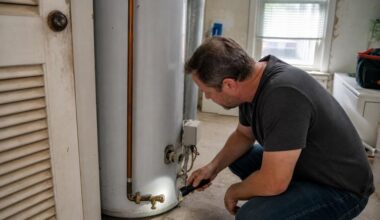
Water heaters quietly collect sediment every month, especially in areas with hard water. Minerals settle at the bottom of the tank and create a layer that interferes with heating performance. Many homeowners do not realize this buildup exists until they start running out of hot water faster than usual or hear popping sounds coming from the tank.
Flushing the water heater helps remove those minerals before they become a larger issue. It is a simple maintenance step that many people skip because the heater usually keeps working in the background. Checking the tank once a year can help prevent expensive repairs later.
Small Gaps Around Windows and Showers
Caulking rarely gets attention until homeowners notice peeling edges, water stains, or a musty smell in the bathroom. By that point, moisture may already be reaching areas behind the surface. Small cracks around tubs, sinks, windows, and backsplashes allow water and air to pass through slowly over time.
In bathrooms, damaged caulking often leads to mold growth around corners and trim. Around windows, gaps affect indoor temperatures and force heating or cooling systems to work harder. These problems usually develop gradually, which is why homeowners overlook them during regular cleaning.
A quick inspection every few months helps catch early signs of wear. Fresh caulking improves moisture protection and helps maintain better energy efficiency throughout the house. It is one of the simplest maintenance jobs homeowners can handle without professional help.
Dust Behind the Refrigerator
Most refrigerators run constantly, yet many homeowners never clean the coils behind or underneath the appliance. Those coils release heat during operation, and they collect dust surprisingly fast. Pet hair, dirt, and kitchen debris slowly cover the surface and reduce airflow around the system.
When coils become dirty, the refrigerator has to work harder to maintain the correct temperature. That extra strain increases energy use and can shorten the lifespan of the compressor over time. Some homeowners notice the refrigerator feels unusually warm on the sides or seems louder than normal during operation.
Cleaning the coils only takes a few minutes with a vacuum or coil brush. Pulling the refrigerator away from the wall once or twice a year can improve efficiency and help the appliance run more smoothly. This small task often gets ignored simply because the mess stays out of sight.
HVAC Drain Lines That Get Clogged
Air conditioning systems remove moisture from indoor air, and that water exits through a drain line connected to the unit. Over time, algae, dirt, and sludge collect inside the pipe and restrict drainage. When the line clogs completely, water backs up into the drain pan and may leak into ceilings, walls, or flooring.
Routine maintenance helps prevent these clogs from turning into water damage issues. Flushing the drain line with vinegar or having it cleaned during seasonal HVAC service keeps moisture flowing properly. This small maintenance step often prevents costly repairs that homeowners never see coming.
Most homes do not develop major problems overnight. Small maintenance issues build slowly in the background while daily routines continue as normal. A clogged vent, dirty filter, blocked drain line, or hidden leak may seem minor at first, but these overlooked tasks often create the repairs homeowners end up paying for later.
The good news is that most of these problems are preventable with simple inspections and routine upkeep throughout the year. Paying attention to the systems people usually ignore helps appliances run better, improves energy efficiency, and reduces unnecessary wear around the house.
Home maintenance does not need to feel overwhelming. A few consistent habits can prevent larger issues, protect your investment, and keep your home running more smoothly long term.