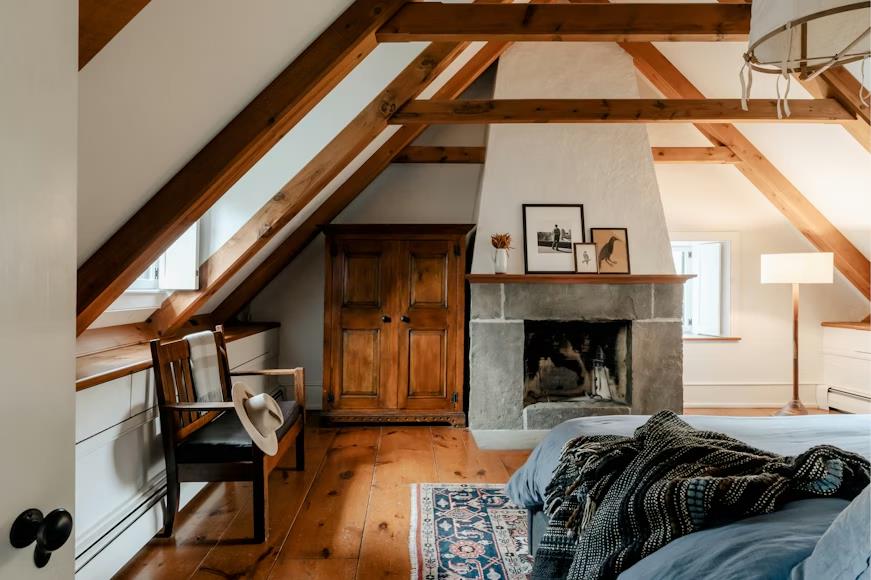
Natural light is the single most underrated feature of any loft conversion.
Insulation can mean the difference between a damp attic no-one uses and a lovely spacious area that everyone loves.
The lofts that get utilized daily are bathed in natural light.
The lofts that sit empty? They’re dark, cramped, and feel like an afterthought.
Lighting isn’t a luxury in a loft. It should be central to your scheme from the start.
Here’s the rundown:
- Why Natural Light Matters So Much in a Loft
- The Real Health & Wellbeing Benefits
- How To Pack a Loft With Natural Light
- Mistakes That Block Out the Sun
- Planning Your Light-First Loft
Why Natural Light Matters So Much in a Loft
Lofts can be problematic. There’s less wall space under a sloping roof to install windows. That means lighting can be difficult to plan unlike a conventional room.
But here’s the kicker:
If you get the lighting right, a loft can go way heavier than it should. It looks twice as big, sells faster and tenants want to be there.
Well-lit lofts have serious value, too. Loft conversions can increase your property value by up to 24% – about £65,000 for the average UK home. But that payback won’t happen by itself. Buyers see dingy lofts and run in the other direction.
That is the difference natural light makes.
When considering your options before getting in touch with local loft conversion builders, weigh up the design first and foremost. Installing a prefabricated loft conversion is quick and clean, but the choice of windows, skylights and dormers will make or break the space.
(Trick of the trade: builders will generally build to your specification. If you don’t ask for light, you won’t get light.)
The Real Health & Wellbeing Benefits
This is where things get really interesting…
Natural light doesn’t only impact the aesthetics of a room. It can influence your mood, sleep patterns and daily performance.
The average UK adult spends 90% of their time indoors. So the quality of light inside our homes is actually far more important than many people think. Having a dark loft is stealing daylight you could be benefiting from at home.
Here’s what natural light does for you:
- Better sleep: People near windows tend to sleep longer at night.
- Mood boost: Sunlight triggers serotonin, the “feel-good” chemical in your brain.
- More energy: Natural light keeps your circadian rhythm in check.
- Vitamin D: Essential for immune function and bone health.
- Higher productivity: Important if your loft will be a home office.
It makes sense, right? Our bodies are built for sunlight.
How To Pack a Loft With Natural Light
Time for the best part. Here are some great ways to fill your loft with natural light.
Roof Windows (Velux-Style)
Loft windows are by far the easiest and least expensive option for adding light to your loft. They are built into your roof line and provide ample overhead light.
The secret is to install twice as many as you think you need. Most homeowners wish they’d installed more than one or two.
Why roof windows work so well:
- Skylights admit natural light, which is the brightest form of natural light.
- They are cheap relative to dormers.
- They rarely need planning permission under permitted development rules.
Dormer Windows
Dormer conversions create vertical wall space, which means you can fit traditional windows.
This means two advantages for you. Increased headroom AND more light. The disadvantage? They are more expensive than roof windows. Though the uplift in value is also greater.
Gable End Windows
If your loft is gabled (triangular loft walls at the end of your roof) you could consider installing large windows or floor to ceiling glazing.
Sash windows at the gable end can transform your loft into a stunning feature room and flood your space with natural light.
Sun Tunnels
Not enough room for a window? Try a sun tunnel. Sun tunnels are tube-shaped reflectors that bounce natural light from your roof onto the floor below. Ideal for landing areas, staircases and loft toilets.
Glass Balustrades & Internal Glazing
After you’ve got light in the loft, you want it to bounce around. Glass balustrades and internal glazed walls allow light to pass from room to room. Suddenly your entire loft feels lighter without any additional windows.
Mistakes That Block Out the Sun
Here is what NOT to do when planning your loft…
The errors lead people to regret having a drab loft space. Steer clear of them!
- Cut corners on windows: Never settle for one Velux. Aim for as many windows as your roof will allow.
- Incorrect roof orientation: Windows facing south will receive the most sunlight throughout the day. North-facing windows will receive the least.
- Heavy structural beams across windows: A good builder will work around them.
- Dark wall colours: Stick to whites, creams, and pale tones.
- Tight staircases: The staircase leading up to the loft is dark and narrow, making it feel secluded from the rest of the home.
(Easy to avoid when you are planning. Very costly to correct afterwards.)
Planning Your Light-First Loft
So how do you actually plan a loft with light at the centre?
Begin with windows. Before discussing layout, bedrooms or storage talk about windows. Draw them first, then design the rest of the room around them.
Here are the key questions to ask yourself:
- Which way does my roof face?
- Where does the sun hit during the day?
- How many windows can my roof structurally support?
- Can I add a dormer for extra wall space?
- Is there a gable end I can glaze?
Armed with these answers, collaborate with your builder or architect to harness as much daylight as possible.
Final Thoughts
Natural light is the secret ingredient that turns a regular loft into something special.
Brightens the space, elevates your mood, improves sleep, and provides genuine equity when selling. Avoid it and you’ll have a bedroom no one wants to sleep in.
To recap quickly:
- Light should be planned FIRST, not last
- Use a mix of roof windows, dormers, and gable end glazing
- Avoid dark colours and heavy structural blocks
- The orientation of your roof matters a lot
- More windows are almost always better than fewer
A loft conversion is one of the largest investments you can make in your house. Done right you’ll wonder how you ever lived without it.



