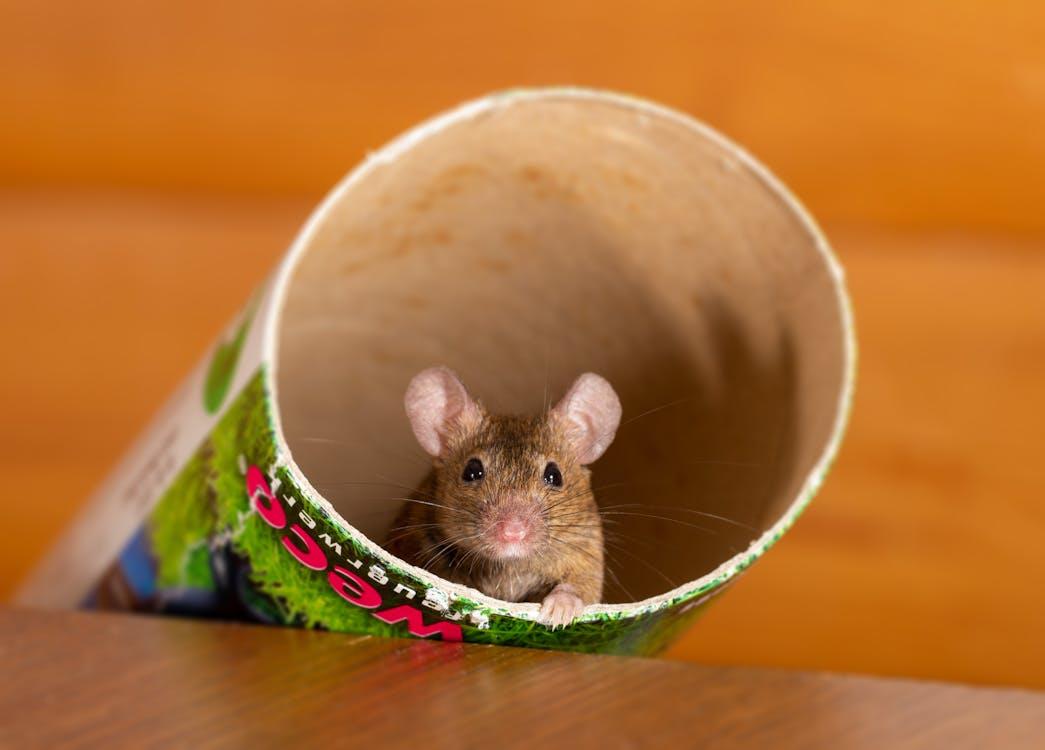
Have you ever heard scratching behind a wall at night and hoped it would somehow solve itself by morning? Many homeowners do. Rodents often seem like a small annoyance until the real damage starts showing up in the form of ruined insulation, strange smells, or flickering lights. As housing costs rise and more people delay home repairs, rats and mice are finding easier ways into homes across the country. What looks like a minor pest problem can quietly turn into a serious safety and financial issue before most people even notice.
Tiny Animals With Expensive Habits
Rodents survive by constantly chewing because their teeth never stop growing. Unfortunately, your home becomes part of that maintenance routine. Mice and rats chew drywall, wood framing, cardboard storage boxes, and even plastic pipes. A family in Chicago recently shared a viral TikTok showing rats chewing through car wiring in their garage, leading to repairs that cost more than their monthly rent.
Many homeowners underestimate how quickly damage spreads because rodents work silently at night. They squeeze through holes the size of a dime, then build nests behind appliances or inside attics. Once food and shelter are available, reproduction happens fast. One pair of mice can lead to dozens within months, which turns a simple inconvenience into a costly structural problem.
Wiring Problems Hidden Behind Walls
One of the biggest risks inside a home comes from damaged electrical wiring. Rodents strip insulation from wires with their teeth, exposing live electrical currents. According to fire investigators, rodent-related wiring damage contributes to thousands of residential fires each year. In an era where smart homes rely on internet-connected systems, the irony is hard to miss. People install advanced security cameras while mice quietly chew through the wires behind them.
Homeowners often call for pest control only after noticing burned outlets, blinking lights, or sudden appliance failures. The problem is that the damage may already be spread through multiple rooms by then. Older homes are especially vulnerable because aging wiring systems already struggle with increased energy demands from modern electronics, gaming systems, and home office equipment.
Insulation Turns Into Nesting Material
Attic insulation may look untouched from below, but rodents often tunnel through it for warmth and nesting. Once contaminated with urine and droppings, insulation loses effectiveness and creates unhealthy air conditions. During colder winters in many parts of the United States, rodents move indoors more aggressively because outdoor food sources become harder to find.
Replacing damaged insulation is rarely cheap. Contractors often need to remove entire sections before sanitizing the space. Some homeowners discover the issue only after heating bills suddenly rise despite using energy-efficient appliances. It becomes a frustrating reminder that even small animals can undo expensive home improvement projects with surprising speed.
The Health Risks People Ignore
Rodents create more than structural problems. They also spread bacteria and allergens throughout a home. Droppings, urine, and shed fur contaminate surfaces and circulate through HVAC systems. In homes with children or pets, the health risks become more serious because exposure happens closer to floors, vents, and hidden corners.
Public health experts have also pointed to increased rodent activity in urban areas after restaurant closures and changing waste patterns during recent years. Cities like New York and Los Angeles have struggled with visible rat population growth, turning rodents into both a health concern and an internet punchline. Social media jokes about “pizza rats” feel less amusing when similar pests end up inside kitchen cabinets at home.
Plumbing Damage That Starts Small
Rodents are surprisingly capable of damaging plumbing systems. Rats often chew plastic water pipes, especially in crawl spaces or basements where moisture attracts them. What begins as a tiny leak can eventually cause mold growth, warped flooring, or stained ceilings. Many homeowners first notice the issue after finding unexplained water spots or musty smells.
Insurance claims tied to water damage have increased in many regions because hidden leaks can continue for weeks before detection. Rodents make these situations worse because they target multiple areas at once. While homeowners focus on fixing visible water damage, new chewing activity may continue behind walls or beneath sinks without immediate signs.
Why Clutter Makes Infestations Worse
Rodents thrive in cluttered environments because they can hide without disturbance. Garages packed with old boxes, crowded storage rooms, and overflowing basements create safe pathways for nesting and movement. Minimalist design trends may dominate Instagram feeds, but real homes often become storage spaces for unused items that rodents happily claim first.
Cardboard boxes are especially attractive because they provide warmth and chewing material. Stacked clutter also makes inspections difficult, allowing infestations to grow unnoticed. Pest professionals often describe clutter reduction as one of the most effective prevention strategies because open, organized spaces leave rodents exposed and easier to detect early.
Prevention Costs Less Than Repairs
Most rodent damage becomes expensive because homeowners wait too long to act. Small warning signs like scratching noises, droppings, or gnawed packaging usually appear before major destruction happens. Sealing entry points around pipes, vents, and foundations can stop infestations before they begin. Steel wool and metal mesh work better than foam because rodents chew through softer materials quickly.
Regular inspections also matter more than many people realize. Checking attics, crawl spaces, and garages a few times each year can prevent severe problems later. Professional inspections may seem unnecessary at first, but compared to replacing wiring, insulation, flooring, and plumbing, they are often far cheaper. Rodents survive because they adapt faster than people expect, especially in crowded neighborhoods and aging homes where hiding spots are everywhere.
Homeownership already comes with enough financial surprises without adding rats or mice into the mix. The hidden damage rodents cause often stays invisible until repairs become urgent, expensive, and stressful. In a time when people are investing heavily in home upgrades, security systems, and energy-efficient renovations, overlooking a rodent problem can quietly undo all of it from the inside out.



