Have you noticed how a smart home can feel a lot like a new car in Dallas? It looks impressive on day one, but the real cost shows up later if nobody keeps up with the basics. As utility prices climb across the country and Americans worry more about inflation than ever, homeowners are learning that “smart” devices are only as smart as the habits behind them. The good news is that a few practical maintenance routines can stretch the life of your home, lower monthly bills, and prevent those painful emergency repairs that always seem to happen right before vacation.
Treat Your HVAC System Like a Money Machine
Most people only think about their HVAC system when it stops working during a brutal Texas summer. That approach is expensive. Dirty filters force the system to work harder, which raises energy bills and shortens equipment life. Replacing filters every one to three months can cut energy use by up to 15 percent, according to Energy Star estimates.
Smart thermostats help, but they are not magical little robots solving every problem in secret. If vents are blocked by furniture or dust, even the fanciest thermostat turns into a very expensive wall decoration. Vacuum vents twice a year, keep outdoor units clear of weeds, and schedule seasonal tuneups before extreme weather arrives. Repair costs are always lower when problems are caught early.
Stop Water Damage Before It Starts
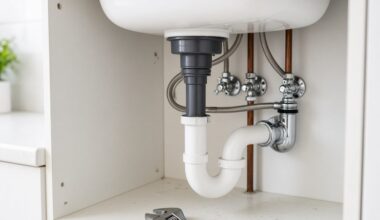
Water damage remains one of the most expensive home repairs in America, especially as aging infrastructure creates more plumbing stress in growing cities. When it comes to frequent drain clogs Dallas neighborhoods often discover the issue too late, after slow pipes turn into leaks hiding behind walls or under floors. A simple monthly routine using enzyme cleaners instead of harsh chemicals can keep pipes moving without damaging older plumbing.
Smart leak detectors are becoming more common because they alert homeowners before small drips become insurance claims. Place them near water heaters, washing machines, and sinks. It sounds dramatic, but a tiny leak can quietly waste thousands of gallons each year while creating mold that spreads like an unwanted houseguest who refuses to leave.
Keep Smart Devices Updated
People update their phones constantly but ignore the software running their thermostats, cameras, and security systems. That is a strange habit considering hackers now target smart homes more often than many homeowners realize. Outdated firmware can leave devices vulnerable while also reducing efficiency.
Updates improve energy management and device performance. Some newer systems even learn household patterns better after updates, helping lower electricity use during peak hours. Think of it as giving your home a regular checkup instead of waiting for digital chaos to arrive at 2 a.m. when the Wi-Fi suddenly disappears, and every family member acts like civilization has collapsed.
Watch Your Water Heater Closely
Water heaters quietly drain money every day when sediment builds inside the tank. Minerals collect over time, especially in areas with hard water, forcing the heater to use more energy. Flushing the tank once a year improves efficiency and extends the unit’s life.
Lowering the temperature to 120 degrees also reduces energy costs without turning showers into icy punishment. Many families never adjust factory settings, which are often higher than necessary. Insulating exposed hot water pipes helps, too. These fixes are simple, but together they can save hundreds of dollars annually while reducing wear on the system.
Seal Air Leaks Before Summer Hits
Tiny air leaks around doors and windows create major problems during heat waves and winter cold snaps. Homes lose cooled or heated air constantly through gaps that many owners never notice. With climate extremes becoming more common across the United States, sealing those leaks matters more than ever.
Weather stripping and caulk are inexpensive compared to rising energy bills. Smart homes work best when they are physically efficient first. Otherwise, homeowners end up using advanced technology to fight problems caused by basic neglect. It is a little like buying a smartwatch while refusing to sleep more than four hours a night. The data looks impressive, but the foundation is still broken.
Protect Appliances From Power Problems
Modern appliances are packed with sensitive electronics, and power surges can destroy them instantly. As storms grow stronger in many regions, surge protectors are becoming less of a luxury and more of a necessity. Whole-home surge protection systems cost far less than replacing refrigerators, washers, or entertainment systems.
Cleaning refrigerator coils twice a year also improves efficiency. Dust buildup forces the appliance to work harder, which raises electricity use and shortens its lifespan. The same idea applies to dryer vents. A clogged vent wastes energy and creates a serious fire risk. Maintenance is not glamorous, but neither is paying for preventable disasters.
Make Roof and Gutter Checks Routine
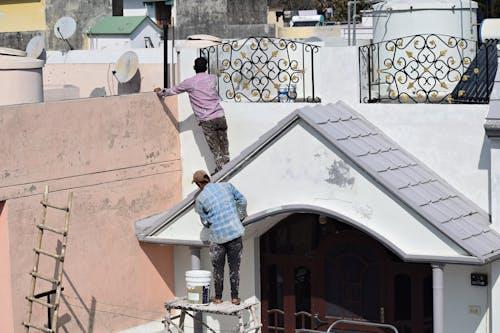
Roof problems rarely announce themselves politely. A missing shingle can turn into water damage, insulation issues, and mold growth before homeowners notice anything unusual. Checking the roof after major storms helps catch trouble early, especially as severe weather events become more frequent nationwide.
Gutters deserve attention, too. When they clog with leaves and debris, water spills toward the home’s foundation instead of away from it. Cleaning gutters twice a year prevents drainage problems and protects landscaping. Smart homeowners increasingly use gutter guards because they reduce maintenance and lower the chance of expensive structural repairs over time.
Use Energy Data to Change Habits
One of the best features of modern smart homes is access to real-time energy data. Many utility companies now provide apps showing exactly when electricity use spikes. That information can reveal expensive habits people never notice, like running large appliances during peak-rate hours.
Families who shift laundry or dishwasher use to off-peak times often see meaningful savings. Smart plugs also help identify devices quietly draining power all day. Americans spend billions annually on “phantom energy” from electronics left plugged in unnecessarily. The irony is almost funny. People obsess over gas prices while game consoles and idle chargers quietly run up electric bills in the background.
The smartest home is not the one with the most gadgets. It is the one where small maintenance habits prevent large financial headaches. As more Americans rethink spending and prepare for uncertain economic conditions, home maintenance has started looking less like a boring adult responsibility and more like a long-term survival skill. A few careful routines today can spare homeowners from the kind of repair bills that instantly ruin an otherwise peaceful weekend.