Cold winters in Minneapolis place constant pressure on heating systems and indoor comfort. Proper insulation creates a stable indoor temperature, reduces drafts, and helps residents control monthly utility expenses. A suitable material also protects walls, ceilings, and floors from moisture damage during long cold seasons.
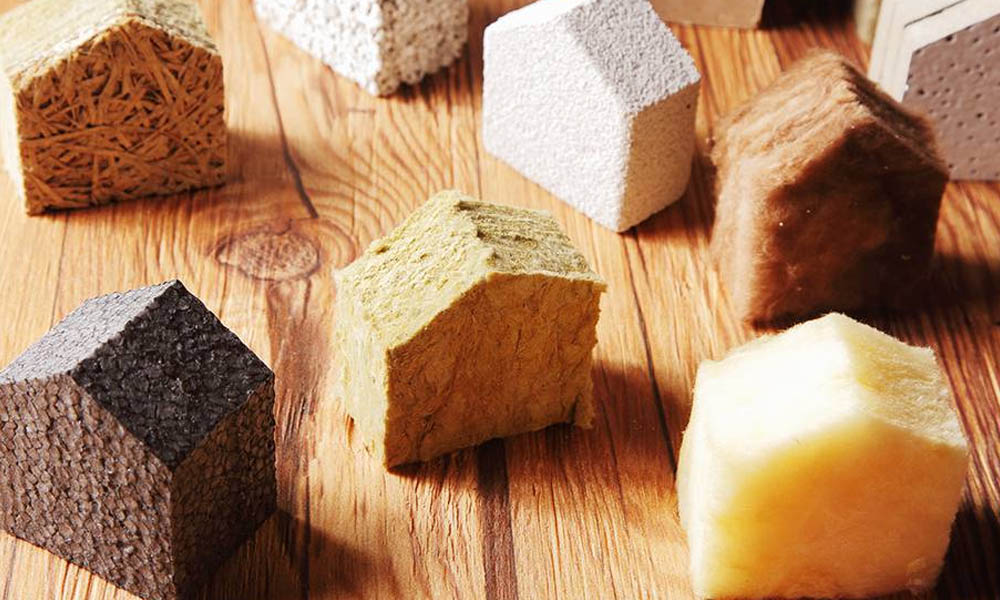
Homeowners usually compare insulation products based on durability, thermal resistance, and installation needs. Energy savings matter, yet comfort inside bedrooms, basements, and living spaces carries equal importance. Careful material selection allows families to maintain warmth without placing excess strain on home heating equipment. This blog will explain five types of insulation that residents usually select.
Cellulose Insulation Delivers Reliable Coverage
Dense Protection for Older and Modern Homes
Cellulose insulation works well inside wall cavities, attic spaces, and enclosed framing areas. Professional insulation contractors in Minneapolis frequently recommend this material for older homes because it fills narrow gaps with impressive consistency. Recycled paper fibers treated with fire-resistant compounds create dependable thermal performance during severe winter conditions.
Residents appreciate cellulose insulation because it limits air movement and reduces unwanted outdoor noise. The material settles tightly around pipes, wiring, and framing components without major structural changes. Lower heat loss helps homeowners maintain comfortable indoor temperatures throughout long stretches of cold weather.
Panel Insulation Supports Strong Thermal Resistance in Minneapolis
Practical Features Residents Appreciate
- Panel insulation suits basements, garages, and exterior wall systems where rigid support matters.
- Foam boards provide dependable moisture resistance that protects structural surfaces from condensation.
- Contractors can install panels beneath siding, inside crawl spaces, or around foundation walls.
- Several homeowners prefer this option because it delivers steady thermal protection with minimal maintenance.
3. Spray Foam Insulation Seals Difficult Areas
Strong Air Control for Harsh Winters
Spray foam insulation expands after application and seals tiny openings around vents, pipes, and framing joints. Homes with recurring drafts benefit from this material because it blocks unwanted airflow in difficult corners. The insulation also strengthens temperature control inside attics and upper-level rooms.
Experienced insulation contractors in Minneapolis regularly install spray foam in remodeled homes where hidden air leaks increase heating costs. Closed-cell varieties add moisture resistance and structural support in selected locations. Families seeking long-term efficiency usually appreciate the durable performance this material provides.
4. Wool Insulation Creates Comfortable Indoor Conditions
Natural Material With Lasting Value
- Wool insulation regulates indoor humidity while supporting steady thermal protection during freezing temperatures.
- Dense wool fibers trap warm air effectively and help rooms feel quieter throughout busy evenings.
- Residents with sensitivity to synthetic materials sometimes favor wool because of its natural composition.
- Professional installation helps wool insulation maintain shape and dependable coverage for several years.
5. Batt Insulation Fits Standard Residential Projects
Familiar Solution With Flexible Installation
Batt insulation remains a practical option for bedrooms, ceilings, and framed wall sections. Fiberglass batts arrive in pre-cut sections that fit common stud and joist spacing, which simplifies residential installation work. Homeowners appreciate the balance between affordability and dependable thermal control.
Local contractors in Minneapolis usually recommend batt insulation for renovation projects that require quick installation without major structural adjustments. Proper placement prevents gaps that allow warm indoor air to escape during winter nights. A carefully insulated home stays comfortable, quieter, and more energy efficient across every season.
Hence, proper insulation improves indoor comfort, supports energy efficiency, and protects homes in Minneapolis from harsh seasonal temperature changes. Each insulation type offers unique advantages that suit different layouts, budgets, and long-term performance goals. Careful guidance from trusted professionals helps residents choose materials that create a warmer, quieter, and more comfortable living environment.