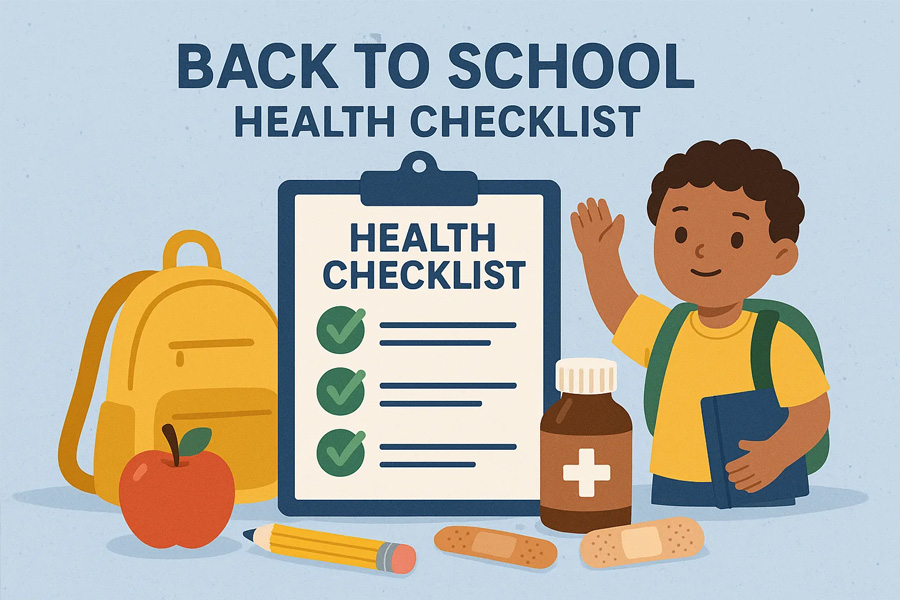
The end of summer brings a familiar mix of excitement and chaos. New backpacks, fresh notebooks, and earlier alarm clocks signal that a new school year is on its way. Amid the shopping lists and schedules, your child’s health deserves a spot at the top of your priorities. A little planning now sets the stage for a happier, healthier year ahead.
Prioritizing Physical Health
Strong bodies support strong minds. Before the first bell rings, schedule a comprehensive physical exam with your child’s pediatrician. These checkups track growth, catch potential concerns early, and ensure your child meets the requirements for school sports and activities.
Vision and hearing often slip under the radar, yet both play a huge role in classroom success. A child who squints at the board or struggles to hear instructions may fall behind without anyone realizing why. Book vision and hearing screenings if your child hasn’t had them recently.
Don’t forget about physical activity. Kids need at least 60 minutes of movement each day to build healthy bones, muscles, and hearts. Encourage outdoor play, bike rides, or a favorite sport to keep energy levels high and stress levels low.
Nutritional Foundations for Learning
What your child eats directly affects how they think, focus, and feel. A balanced diet fuels concentration during long school days and supports steady growth.
Building a Brain-Boosting Plate
Aim for meals rich in whole grains, lean proteins, fruits, and vegetables. These foods release energy slowly, helping your child stay alert from morning lessons through afternoon activities. Omega-3 fatty acids, found in fish, nuts, and seeds, support brain development and memory.
Smart Snacking and Hydration
Sugary snacks may offer a quick burst of energy, but the crash that follows can leave kids tired and cranky. Stock the pantry with fruit, yogurt, cheese, and whole-grain crackers instead. Water matters too. Even mild dehydration can sap focus and mood, so send your child to school with a refillable water bottle.
Mental Wellness and Emotional Resilience
The transition back to school can stir up anxiety, especially for younger children or those starting at a new school. Open conversations make a world of difference. Ask your child how they feel about the upcoming year, and listen without rushing to fix every worry.
Help them build coping skills they can carry for life. Simple breathing exercises, a consistent routine, and plenty of reassurance go a long way. Watch for signs of stress, such as changes in appetite, sleep troubles, or withdrawal from activities they once enjoyed.
If worries seem overwhelming or persistent, reach out to a school counselor or mental health professional. Early support helps children develop the emotional tools they need to thrive both inside and outside the classroom.
Sleep Hygiene for Growing Minds
Quality sleep is one of the most powerful tools for academic success, yet it’s often the first thing to suffer during busy seasons. School-age children need 9 to 12 hours of sleep each night to function at their best.
Start adjusting bedtimes a week or two before school begins. Gradual shifts of 15 minutes each night make the change easier than a sudden overhaul. A calming bedtime routine signals the body that it’s time to wind down. Think warm baths, quiet reading, and dim lighting.
Keep screens out of the bedroom at night. The blue light from devices interferes with the body’s natural sleep signals, making it harder to drift off. A consistent sleep schedule, even on weekends, helps regulate your child’s internal clock and improves daytime focus.
Preventative Care and Vaccinations
Staying ahead of illness keeps your child in the classroom and off the sidelines. Review your child’s vaccination records and confirm they’re up to date with the recommendations for their age and school requirements. Vaccines protect not only your child but also classmates and family members.
Dental health is another piece of the preventative puzzle. Cavities and toothaches can cause pain, distraction, and missed school days. Schedule a checkup with your family dentist in Wasilla before the school year picks up speed. Regular cleanings and exams catch small problems before they grow into bigger ones.
Teach your child the basics of staying well, too. Frequent handwashing, covering coughs, and keeping hands away from the face all help reduce the spread of germs in crowded classrooms.
Building Healthy Habits Beyond the Classroom
Health doesn’t stop when the school day ends. The routines you nurture at home shape your child’s wellbeing for years to come.
Establishing Daily Routines
Children thrive on predictability. Set consistent times for homework, meals, play, and rest. A reliable rhythm reduces stress and helps kids feel secure during a busy season of change.
Limiting Screen Time
Balance is key when it comes to devices. Set clear limits on recreational screen use and encourage activities that get kids moving and creating. Family walks, board games, and outdoor adventures strengthen both bodies and bonds.
Modeling Healthy Choices
Children learn by watching the adults around them. When you prioritize nutritious meals, regular exercise, and good sleep, you set a powerful example. Make health a family affair, and your child is far more likely to embrace these habits as their own.
Conclusion
A healthy school year starts with thoughtful preparation. By focusing on physical care, nutrition, mental wellness, sleep, and prevention, you give your child the strong foundation they need to learn and grow. Start tackling this checklist today, and watch your child step into the new year ready to thrive.