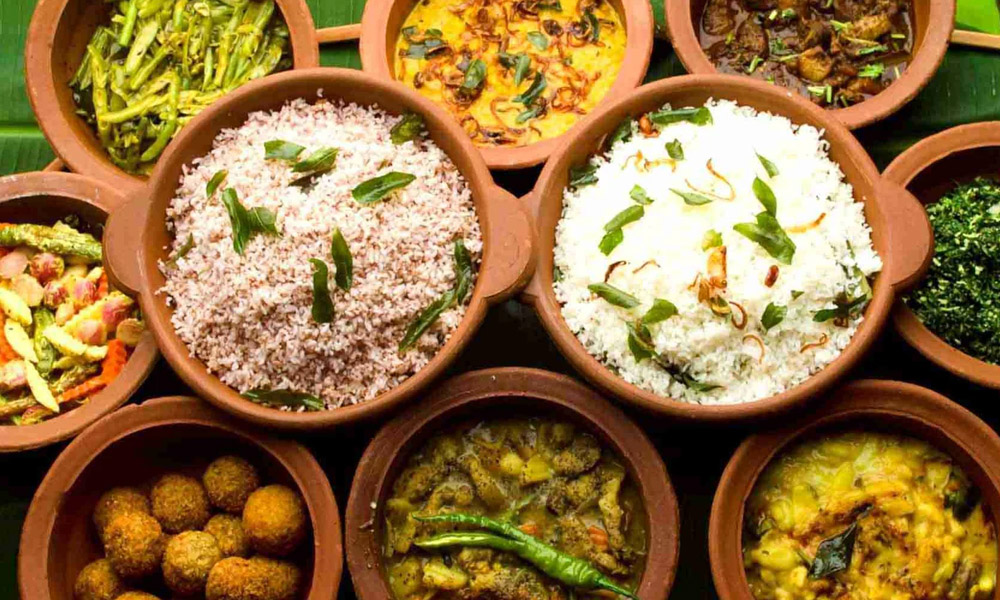
Sri Lankan cuisine is renowned for its bold and intricate flavours, largely due to the extensive use of indigenous spices. These spices have played a significant role not only in culinary traditions but also in the island’s cultural and economic history. The unique combination of spices found in Sri Lankan cuisine sets it apart from other South Asian culinary styles, making it a fascinating subject for both food enthusiasts and scholars.
The Historical Significance of Sri Lankan Spices
Sri Lanka has been a hub of the spice trade for centuries. The island’s strategic location along ancient maritime routes made it a significant source of precious spices such as cinnamon, cardamom, clove, and pepper. Early traders from the Arab world, Europe, and Asia were drawn to Sri Lanka because of the exceptional quality of its spices. This trade greatly influenced the local economy and introduced global culinary influences.
The Role of Cinnamon in Sri Lankan Spice Heritage
Cinnamon is perhaps the most famous of the sri lankan spices. Sri Lanka is considered the original home of true cinnamon, scientifically known as Cinnamomum verum. Its delicate sweet flavour and warm aroma are distinct from the harsher cassia cinnamon commonly found elsewhere in the world. The cultivation and harvesting of cinnamon have been traditional crafts in Sri Lanka for generations, contributing extensively to the island’s agricultural identity.
The Diversity of Spices in Sri Lankan Cooking
Besides cinnamon, Sri Lankan spices include cardamom, cloves, nutmeg, black pepper, turmeric, and star anise. Each of these spices contributes to the complexity and depth of flavour in local dishes. Cardamom introduces a subtle floral tone, cloves add pungency, while turmeric not only adds colour but also a mild bitterness that balances sweeter spices.
These spices are typically used in carefully measured quantities to create well-rounded blends. The skillful combination of spices is essential for making traditional Sri Lankan dishes such as kari (curries), hoppers (fermented rice pancakes), and sambols (spicy relishes).
The Production and Sustainability of Sri Lankan Spices
Modern Sri Lankan spice cultivation combines traditional practices with sustainable farming techniques. The tropical climate and fertile soils provide ideal conditions for growing spices without excessive use of chemicals. Many spice growers focus on organic farming methods to maintain soil health and ensure high-quality produce.
Recognising the global demand for authentic spices, Sri Lanka has also focused on promoting fair trade initiatives. This supports smallholder farmers and preserves indigenous knowledge related to spice cultivation and processing.
The Cultural Importance of Spices in Sri Lankan Life
Spices hold not only culinary value but also cultural and medicinal importance in Sri Lanka. Traditional Ayurvedic medicine extensively utilises many of the native spices for their health benefits. Turmeric, for example, is widely used for its anti-inflammatory properties.
Spices are also integral to social customs, festivals, and rituals. They symbolise hospitality and abundance, often being presented as gifts during celebrations. The aroma of roasted spices is characteristic of Sri Lankan homes and marketplaces, creating a distinctive sensory experience that embodies the nation’s heritage.
Using Sri Lankan Spices in Contemporary Cuisine
In recent years, there has been a resurgence of interest in Sri Lankan spices among chefs worldwide. Their unique flavours are being incorporated into modern dishes that blend tradition with innovation. The balance of heat, sweetness, and aromatic complexity in Sri Lankan spice blends can enhance a variety of international recipes.
For home cooks and culinary professionals alike, exploring authentic sri lankan spices offers an opportunity to elevate dishes with natural ingredients sourced from one of the world’s oldest spice-growing regions. Spice boxes and pre-mixed blends are available for those looking to experiment with ease without compromising authenticity.
Health Benefits Attributed to Sri Lankan Spices
Many of the spices integral to Sri Lankan cooking have been studied for their health benefits. Black pepper, known as the ‘king of spices,’ aids digestion and improves nutrient absorption. Cloves have antiseptic properties, while cinnamon is believed to regulate blood sugar levels.
While Sri Lankan spices are primarily celebrated for their culinary impact, understanding their health-promoting properties adds another dimension to their appreciation. This holistic use of spices aligns with traditional practices that view food as medicine.
Conclusion: The Enduring Legacy of Sri Lankan Spices
The richness of Sri Lankan spices remains a defining feature of the country’s culinary landscape. Rooted in centuries of trade, culture, and tradition, these spices continue to inspire cooks and delight palates worldwide. Whether through traditional cooking methods or contemporary gastronomic innovation, Sri Lankan spices offer an unparalleled sensory experience.
For those seeking to explore these remarkable flavours in their own kitchen, sourcing authentic sri lankan spices is a valuable first step. These spices provide not only taste but a direct connection to the rich natural and cultural heritage of Sri Lanka.