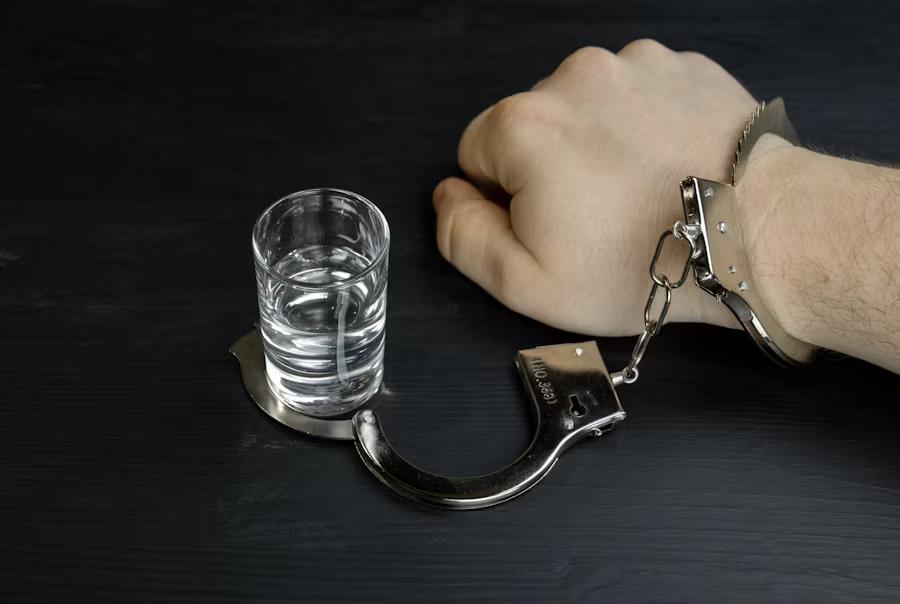
Addiction is a disease. It starts as something relatively small, and then, before you know it, balloons into something so large and all-encompassing, it’s almost impossible to think of life without it. Whatever your addiction may be, it matters not. The key is first understanding you have a problem and then being prepared to take the action required to kick it, stay away from the triggers, and regain a life once lost to the abuse. While everyone is different, and what might work for one person may not for another, there are some steps that almost anyone who wants to regain their life can take, and which we will cover throughout this article.
Be Confident In Admitting You Have A Problem
If you have already been reading articles related to this topic, it’s likely that you have come across this initial step, which is admitting you have a problem and being honest with yourself. Without honesty and an understanding of what’s happened to you and what you’ve become hooked to, almost every other step will be for naught. While not all addictions will require an intense form of detox, most will require checking yourself into a detox and residential treatment center that can help you to come to terms with your life and aid you in recovery. In many ways, this first step is perhaps the most freeing of all since it opens up your mind to the possibility that your current path will not only lead to your demise but also cause those around you who love and care deeply for you to suffer immensely. If you’re unsure whether the things you do are addictive or not (which isn’t always easy), you can ask yourself the following questions:
- Is my substance use or actions impacting my relationships, job, and health?
- Have I ever attempted to cut back or stop but been unable to or created excuses as to why I couldn’t?
- Do I hide my actions or usage from others to avoid judgment (or any other reason)?
These answers should indicate if you are hooked, since these actions are all indicative of addiction. While not entirely conclusive, the answers ought to give you the confidence to at least approach a professional or those you love to start considering the next steps.

Understanding Your Options
Now that you have been honest with yourself and can admit that you need help, you must examine what options you have available. It might be the case that you live near a rehabilitation center and have family and friends who can assist you by taking you in and keeping an eye on your progress. If you aren’t so fortunate, your only options may be to visit your local doctor or clinic and ask about any help they offer or can point you towards. In most situations, it’s best to avoid taking action unilaterally, as it’s far easier to relapse without outside help. Regarding options, though, you do have a few to choose from.
| Care level | What it is | Who it’s best for |
| Detox | Medically supervised withdrawal (attempting this alone can be deadly). | Those who are at the highest risk of severe withdrawal symptoms (heroin, fentanyl, alcohol, etc.). |
| Inpatient (residential) | Living at a facility with 24/7 support and structured therapy. | Individuals who need to take a complete break from their current lives and move into a safe environment. |
| Outpatient programs | Therapy and treatment while living at home. | Those who have strong support groups can be monitored and kept on track. |
| Support groups | Peer-led meetings officiated by professional counselors and licensed support groups. | For ongoing and long-term treatment management. |
Making The Call And Preparing For Day One
Making the first step towards recovery is both amazing and utterly terrifying. While it’s a great feeling to finally try to put your addictions to rest and become the person you want to be, admitting to yourself and those around you that you need help is scary, no doubt. All sorts of questions will swirl around your head, like, will I fail at the first hurdle? Will I let down those who are going to help me? Am I strong enough? Will I relapse at some point in the future? Unfortunately, these sorts of questions and fears can only be answered or seen once you’ve made the first move, but by making the move to rid yourself of what ails you, you have already cast away many of the negatives. It might be best to first let your closest confidant know your plans and then take things slowly (but surely) from there.
Ridding oneself of a powerful substance or action that has wrapped itself around your very soul is not easy. Nor are there any tricks and tips that can ever make it simple. But as soon as you can admit to yourself that you need help, all other actions will fall into place, and one day, at some point in the future, you will wake up, take in a deep breath, and rejoice at the fact you took that first step.