Luxury has entered an interesting phase. For years, many high-end purchases were associated with visibility, exclusivity, and recognisable labels. Today, a different conversation is taking shape. People are becoming increasingly interested in the stories behind the objects they buy, the craftsmanship involved in creating them, and the personal meaning those items carry long after the initial excitement fades. In many cases, the emotional connection attached to a piece has become just as valuable as the piece itself.
And this trend is influencing everything from jewellery and fashion to home décor and personal collections. Consumers are gravitating toward items that feel individual rather than interchangeable. A handcrafted piece with a rich history, a family heirloom passed through generations, or an object tied to a meaningful life event often carries a type of value that cannot be measured through price alone. As a result, sentimental luxury is emerging as a defining lifestyle trend, shaped by personal narratives, lasting significance, and a growing appreciation for authenticity.
Luxury With a Story
Luxury purchases are increasingly becoming reflections of personal identity rather than demonstrations of purchasing power. Many consumers want items that carry a sense of history, character, and individuality. They’re looking for pieces that feel connected to real stories rather than products designed primarily for mass appeal, especially when it comes to items like engagement rings.
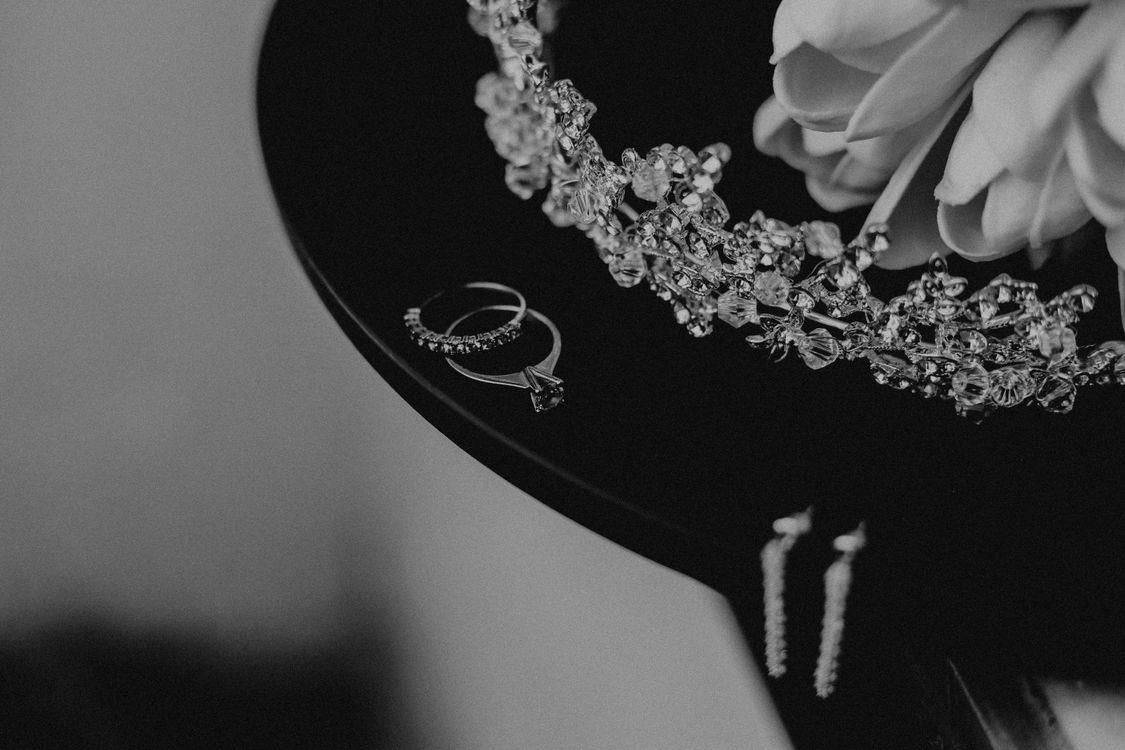
A thoughtfully curated selection of vintage engagement rings appeals more to the modern consumer. Beyond their beauty, such pieces often offer details that connect them to another era. Intricate craftsmanship, distinctive settings, and historic influences create a sense of continuity that many buyers find compelling. The attraction extends beyond aesthetics. People are increasingly drawn to luxury items that already possess a narrative and allow them to become part of that story.
Return of Craftsmanship
Craftsmanship is experiencing renewed appreciation across luxury categories. Consumers are paying closer attention to how things are made, who made them, and what level of skill contributed to the final result. Details that might once have gone unnoticed are now becoming important parts of purchasing decisions.
This trend reflects a broader desire for substance and permanence. Hand-finished details, intricate metalwork, artisanal techniques, and traditional production methods create a sense of distinction that resonates with many buyers. Luxury increasingly feels connected to evidence of human expertise rather than production volume. Whether examining jewellery, fashion accessories, furniture, or bespoke goods, people are finding value in the visible signs of craftsmanship. The appreciation comes from understanding that skill, patience, and artistry contribute something unique that cannot easily be duplicated.
Buying With Meaning
Many lifestyle purchases are becoming more intentional. Rather than accumulating items simply because they are fashionable or widely promoted, consumers are asking different questions. Why does this item matter? What role will it play in my life? Will it still feel meaningful years from now?
This mindset has contributed to the rise of emotionally significant purchases. Engagement rings, milestone gifts, anniversary pieces, travel keepsakes, and family heirlooms are often chosen because they represent important moments rather than temporary trends. The emotional significance attached to these objects frequently grows over time. A piece may begin as a purchase, yet eventually become linked to memories, relationships, and life experiences.
Objects That Hold Memories
Some possessions become meaningful because of what they represent rather than what they are. A watch inherited from a grandparent, a piece of jewellery received during a major life milestone, or an item acquired during a significant personal journey often carries emotional weight that surpasses its material value.
Luxury consumers are increasingly embracing this idea. Objects that connect people to personal memories often remain treasured long after trends change. They serve as reminders of experiences, relationships, and important chapters of life. This helps explain why sentimental luxury feels particularly relevant today. In a world where so much is temporary and rapidly changing, items connected to meaningful memories provide a sense of continuity.
Historic Design, Modern Appeal
One of the more fascinating aspects of today’s luxury market is the renewed interest in historic design influences. Art Deco geometry, Victorian detailing, Edwardian elegance, and mid-century aesthetics are appearing across jewellery, fashion, interiors, and accessories. Yet consumers are not embracing these styles out of nostalgia alone.
Historic design offers something increasingly difficult to find in contemporary mass production: distinct personality. Pieces inspired by earlier eras often feature design choices that feel intentional, expressive, and highly individual. They stand apart from trends built around uniformity. Modern consumers appreciate this uniqueness because it allows them to express personal taste in ways that feel less predictable.
Seeking Something Unique
Luxury consumers today have access to an unprecedented number of products. Digital platforms, global marketplaces, and social media have made almost every style and category readily available. Ironically, this abundance has increased the appeal of uniqueness.
People are looking for pieces that feel difficult to replicate. They want objects that stand apart from mass-market offerings and carry characteristics that feel personal. Vintage jewellery, bespoke fashion, limited-production accessories, and handcrafted items often satisfy this desire because they possess details that are not widely repeated. Uniqueness has become a powerful form of luxury because it allows individuals to express their identity through objects that feel genuinely distinctive rather than universally available.
Power of Storytelling
Stories have always influenced how people connect with objects, but storytelling is becoming increasingly central to modern luxury preferences. Consumers often want to understand where something came from, how it was created, and why it matters. The narrative surrounding an item frequently becomes part of its appeal.
This trend is particularly noticeable across generations. Family stories attached to heirlooms, historical details connected to vintage pieces, and personal memories linked to meaningful purchases all contribute to a richer ownership experience. The object becomes more than a possession. It becomes a conversation piece, a family keepsake, or a symbol of a particular moment in time.
Built to Last
Sustainability is influencing luxury in ways that extend beyond environmental considerations. Many consumers are becoming interested in longevity, durability, and enduring value. They are gravitating toward pieces designed to remain relevant and appreciated for years rather than seasons.
Sentimental luxury naturally aligns with this perspective. Objects chosen for their craftsmanship, history, and emotional significance are often kept, cared for, and passed along rather than frequently replaced. This creates a different relationship between people and the items they own. A piece that remains meaningful over decades represents a form of sustainability rooted in longevity and appreciation.
Personal history, craftsmanship, emotional significance, storytelling, and longevity are becoming increasingly influential in purchasing decisions. Luxury is no longer defined solely by visibility or exclusivity. For many consumers, the most meaningful pieces are the ones that carry memories, connect generations, and continue telling a story long after they are acquired.