Choosing energy-efficient windows for your home is one of the most impactful upgrades you can make for better comfort, cost savings, and visual appeal, note Keyrenter DFW Midcities specialists. With a range of materials, glazing options, and advanced features available, making the right choice can feel overwhelming. To understand your options and what will suit your needs, view this comprehensive comparison of window materials. Thorough research helps ensure your investment delivers energy savings, interior comfort, and enhanced home value for years to come.
While new windows are an investment, the benefits extend beyond just heating and cooling savings. Modern window advancements improve insulation, reduce outside noise, and create a more consistent indoor environment regardless of outdoor temperatures. Carefully considering window performance indicators can help you make an informed decision tailored to your region and lifestyle. If you’re evaluating different frame options, you can view this comprehensive window material comparison to better understand the strengths and drawbacks of various materials.
This article breaks down the fundamentals and emerging trends in energy-efficient windows. We will cover the importance of energy performance ratings, explore various window styles and frame materials, and highlight glazing technologies and automation options that further improve efficiency. Each section aims to guide you toward the best choice for your home’s unique needs.
Understanding Energy Efficiency in Windows
Energy-efficient windows are designed to reduce heat transfer, making it easier to keep your home warm in the winter and cool in the summer. Key measurements to look for include U-value and Solar Heat Gain Coefficient (SHGC). The U-value indicates how well a window prevents heat from escaping, while the SHGC measures how much solar energy enters your home through the glass. Windows with lower U-values and SHGC ratings offer superior insulation and minimize indoor temperature fluctuations.
Popular Energy-Efficient Window Styles
The style of window you select affects airflow, insulation, and how easily the window keeps air from leaking indoors or out:
- Double-Hung Windows:Both sashes slide vertically, offering flexible ventilation. Newer double-hung designs have tight seals around the edges to prevent drafts and are a mainstay in many homes for their adaptability.
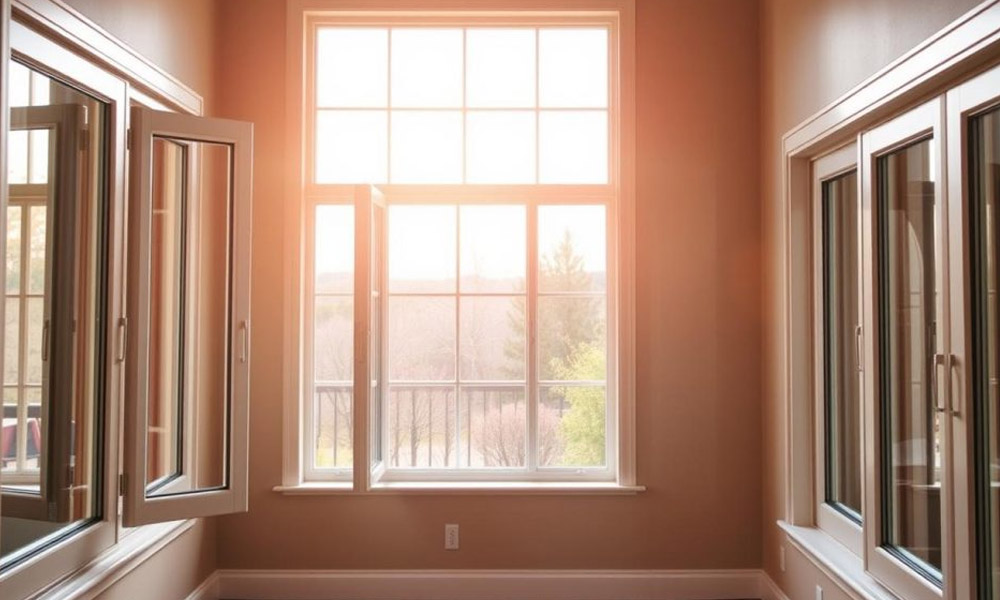
- Casement Windows:Hinged on one side, casement windows open outward, providing an airtight seal when closed. This makes them more effective at keeping conditioned air inside your home compared to sliding models.
- Picture Windows:Fixed and inoperable, picture windows offer exceptional insulation because there are no moving parts or seams through which air can infiltrate. They maximize views and natural light without sacrificing efficiency.
Frame Materials and Their Impact
Window frame material is just as important as the glass for managing energy efficiency. Key options include:
- Vinyl:An economical, low-maintenance choice, vinyl offers reliable thermal protection but usually comes in limited colors.
- Wood:Offering natural insulation and classic charm, wood remains popular but requires periodic upkeep to avoid weathering or rot.
- Fiberglass:This newer material resists temperature swings and warping and offers one of the best balances between durability and insulation.
Each material has pros and cons regarding price, maintenance, and thermal performance. Understanding these characteristics helps homeowners choose frames that match their priorities for appearance, longevity, and energy savings.
Glazing Options: Double vs. Triple Pane
Window glazing, or the number of glass layers, plays a significant role in heat retention and noise reduction:
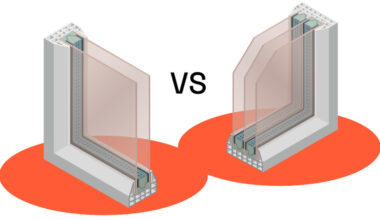
- Double-Pane Windows:These use two glass panels separated by a gas-filled space, delivering a cost-effective balance of energy efficiency and affordability for most climates.
- Triple-Pane Windows:Featuring three layers of glass, triple-pane units significantly enhance both insulation and soundproofing. They are an excellent option for homes in regions with extreme weather, but come with a higher price tag and are heavier, which can impact installation.
Your choice may ultimately depend on your local climate and budget. High-performance double-pane options are often sufficient for moderate environments, while the added insulation of triple-pane windows is ideal for harsher locations.
Advanced Glass Technologies
Innovative glass technologies have greatly improved window energy performance in recent years:
- Low-E (Low Emissivity) Coatings:These ultra-thin metallic coatings reflect infrared heat, helping keep homes warmer in winter and cooler in summer without blocking natural light.
- Gas Fills:Commonly argon or krypton, these inert gases fill the space between panes, further reducing unwanted heat exchange and improving overall insulation.
Applying these advancements delivers substantial gains in year-round comfort and reduced utility bills, making them a smart choice for most replacement projects.
Smart Windows and Automation
The latest generation of energy-efficient windows features smart glass and automated treatments. Smart glass technologies enable windows to adjust their transparency in response to sunlight, helping control glare and solar heat gain without manual intervention. Automated window shades and blinds can be programmed to open and close at strategic times, preventing heat buildup and further minimizing energy waste.
Cost Considerations and Return on Investment
It is important to weigh the short-term installation costs against the long-term benefits when upgrading your windows. While energy-efficient models can be more expensive upfront, homeowners often recoup the difference through lower energy bills and increased property value. Many utility companies offer rebates, and local governments may provide tax incentives for qualifying products, minimizing the net investment. Plus, the comfort and noise reduction provided by modern windows contribute to everyday satisfaction and a healthier indoor environment.
Conclusion
Selecting the best energy-efficient windows for your home involves considering window style, frame material, glazing, innovative glass technologies, and even automation features. By understanding these differences and weighing your climate and budget, you can confidently choose replacement windows that enhance comfort, promote sustainability, and increase your home’s value over time.