Transporting heavy loads is a pivotal component of our commercial infrastructure, shaping the efficiency and safety of countless industries. Ensuring these loads are properly secured not only prevents costly damage or loss but, more importantly, guards against potentially catastrophic accidents on the road. When securement methods fail, the risk to other motorists greatly increases, illuminating the crucial need for properly managed heavy duty towing services.
Shifting or unsecured cargo can transform even a short trip into a high-risk scenario. This danger compels companies, vehicle operators, and regulating authorities to constantly review and update procedures to keep highways safe for all. Understanding the best practices for transporting heavy cargo, recognizing the risks, and keeping up with innovation are essential steps for anyone involved in this demanding field.
Importance of Proper Load Securement
Proper load securement is not just a regulatory requirement, but a matter of life and death on busy roads. Loads that are not secured adequately can lead to debris falling on highways, which has been linked to thousands of accidents every year. The risks extend beyond immediate crash threats, as falling or shifting cargo can spark multi-vehicle collisions and hazardous road conditions that threaten even the most cautious drivers. As emphasized by agencies like the National Highway Traffic Safety Administration, safety begins long before a truck or trailer hits the road, with systematic planning and securement.
Ensuring cargo is adequately tied down with the right tools and properly distributed throughout the vehicle are fundamental steps in any safe transport operation. Neglecting these responsibilities endangers the driver as well as everyone sharing the road. Companies specializing in heavy load towing and haulage invest significant resources to enforce these standards, understanding the reputation and liability risks at stake.
Common Risks Associated with Heavy Loads
Transporting heavy cargo introduces predictable hazards that can be mitigated through proper training and procedures. Some of the most frequent and severe risks include:
- Trailer Rollovers: When weight is unevenly distributed or poorly secured, trailers are at high risk of rolling over, especially during turns or abrupt stops. These incidents are both dangerous and expensive, often resulting in severe injuries and major traffic disruptions.
- Jackknife Crashes: Poor cargo placement can cause the trailer to skid and swing out of line with the cab, resulting in jackknife events that can block lanes and involve multiple vehicles.
- Loss of Steering Control: When loads shift suddenly, the truck operator may lose control, especially at highway speeds. This can lead to overcorrections that cause accidents or dangerous swerving.
Many of these risks are preventable with proper foresight, regular inspections, and a focus on details throughout the loading and transit process. In-depth load planning is necessary to avoid these potentially catastrophic outcomes.
Best Practices for Securing Heavy Loads
Adopting a proactive and strategic approach to load securement is essential to any safety protocol in the logistics industry. The following practices should form the backbone of every transport plan involving heavy or oversized cargo:
- Proper Weight Distribution: Balance the load so the center of gravity remains low and central in the vehicle. This significantly reduces the risk of tip-overs and handling issues.
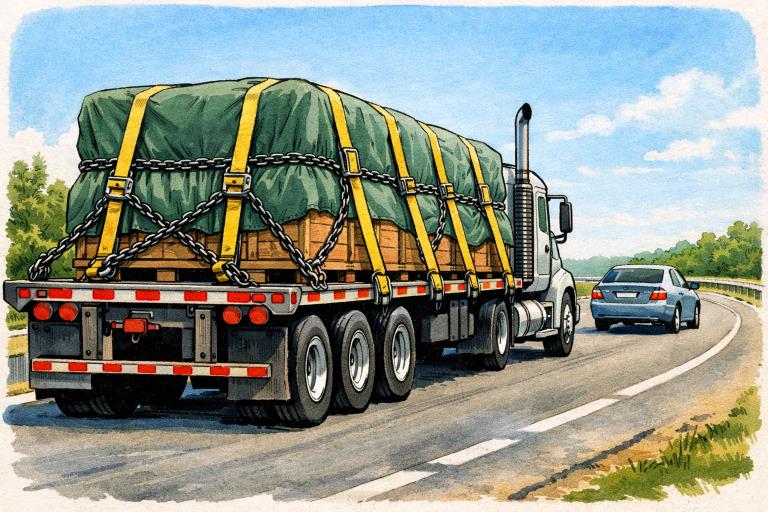
- Use of Appropriate Restraints: Employ a combination of high-quality ratchet straps, chains, and netting rated for the weight and type of load. All equipment used should comply with the latest industry regulations.
- Regular Inspections: Before departure and at stop points along the route, inspect all fastenings and restraints. Adjustments and retightening are often necessary as vehicles shift during travel.
- Adherence to Regulations: Stay up to date with federal and state regulations regarding cargo securement to ensure compliance and avoid penalties or forced out-of-service delays.
Innovative Technologies Enhancing Safety
Cutting-edge technology is transforming how heavy loads are moved and monitored. New digital systems help operators and regulatory bodies maintain high standards of safety. For example, real-time monitoring sensors now allow fleets to track cargo movement, alerting drivers if any load shifts dangerously. The H.E.L.P.® DeliverSAFE™ system by Grote Industries introduces visual and lighting alerts to warn approaching motorists of a stationary or slow-moving truck, reducing rear-end collisions and roadside accidents.
Additionally, some companies are exploring advanced camera systems and artificial intelligence to analyze and predict potential securement failures before they result in a major incident. These technologies promise to set new standards in accident prevention and efficiency, giving both operators and the general public greater peace of mind.
Regulatory Compliance and Initiatives
Government agencies and industry groups routinely launch initiatives to emphasize the necessity of load securement for all drivers and operators. For instance, Washington State’s ongoing “Secure Your Load for Safer Roads” campaign focuses on public education and strict enforcement, reminding drivers that unsecured cargo is both a danger and a preventable issue. Regulatory bodies such as the Federal Motor Carrier Safety Administration provide clear rules and regular updates to encourage best practices at every stage of transport. These collective efforts underscore the shared responsibility that extends from individual drivers up through companies and policy makers.
Conclusion
Securing heavy loads is a complex duty that demands detailed preparation, consistent application of best practices, and a willingness to adapt to new technologies. With the right systems in place, risks can be significantly minimized, protecting both professional transporters and the motoring public. As industry standards evolve and regulatory oversight remains vigilant, road safety can improve for all, ensuring the highways remain safe passageways for commerce and community alike.