Renting construction equipment is an increasingly popular solution for contractors, landscapers, and businesses seeking flexibility, cost efficiency, and access to the latest technology without significant upfront investments. Whether you are embarking on a large-scale construction project or handling specialty landscaping work, leveraging rental equipment allows you to scale up resources while maintaining control over project costs. For those in need, landscape rental equipment is readily available and can be tailored to suit nearly any job site demand.
However, renting equipment is not as simple as choosing a machine and putting it to work. Ensuring both safety and efficiency requires a proactive approach, starting from equipment selection to operator training and ongoing maintenance. By following best practices, you can maximize productivity and avoid common pitfalls associated with equipment rentals.
Preparation and attention to detail are critical. Every phase of the rental process offers an opportunity to enhance outcomes, protect your team, and safeguard your investment. Proper planning and execution ensure you meet project deadlines and avoid unnecessary costs.
To help you get the most out of your equipment rental experience, this guide outlines the vital steps and considerations for every project phase.
Choose the Right Equipment
The foundation of a successful project lies in selecting equipment that perfectly fits the job’s requirements. Analyze your project’s size, scope, material type, and specific challenges, such as access or terrain. For example, compact loaders and mini excavators can streamline landscaping and small construction tasks on tight sites. Involving rental professionals in your decision-making process ensures you receive equipment recommendations based on current industry standards and your actual project needs.
Conduct Thorough Inspections
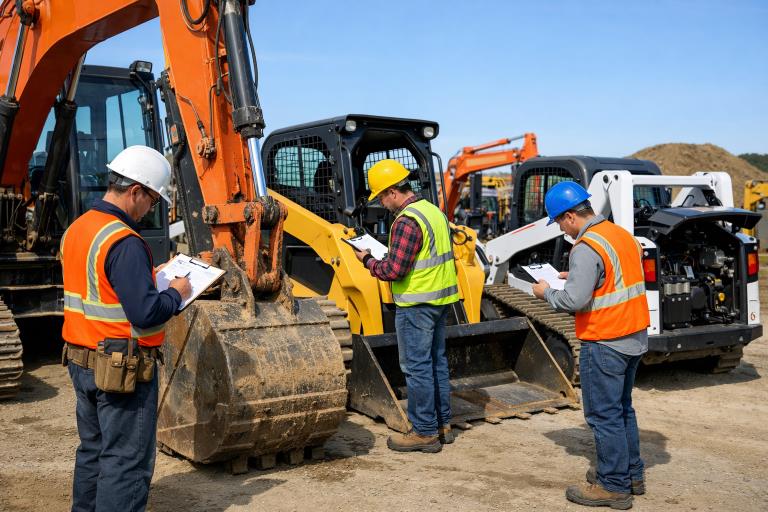
Inspection is a non-negotiable step before putting any rental equipment into operation. Check machines for external damage, hydraulic leaks, tire or track wear, faulty controls, and missing or malfunctioning safety devices. Carefully document each finding, ideally with photographs, to protect yourself in case any issues arise upon equipment return. Inspections should also be repeated when receiving and returning the equipment. This diligent process helps maintain accountability between your team and the rental provider.
Prioritize Operator Training
Even experienced operators must receive model-specific orientation before using rented construction equipment. Each machine may have unique controls, safety mechanisms, and operating instructions that differ from what operators are used to. Provide targeted training sessions, highlight major differences, and review the manufacturer’s operation manual. Trained operators are less likely to experience costly downtime, accidents, or equipment misuse. According to OSHA’s official guidelines, proper training is a key factor in preventing job-site injuries and enhancing productivity.
Implement Safety Protocols
Safety protocols should form the backbone of every construction project. Develop a tailored plan that includes job-site walkthroughs, the mandatory use of personal protective equipment (PPE), and a clear communication system for staff. Formalize these rules with regular meetings, daily briefings, and a mechanism for reporting safety concerns. An attentive safety culture not only protects employees but also preserves equipment, reputation, and project timelines.
Understand Rental Agreements
Before signing any rental contract, thoroughly review all terms and conditions regarding the rental period, daily use limits, maintenance requirements, insurance obligations, liability assignments, and procedures for breakdowns or emergency repairs. Clarify any unclear items with your rental provider. A proper understanding of the legal and financial responsibilities prevents misunderstandings and reduces the likelihood of unexpected fees or disputes during or after the rental period.
Plan for Transportation and Storage
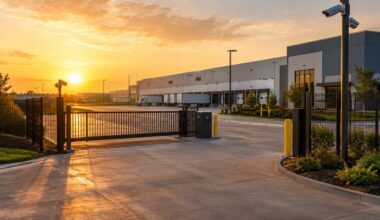
Deciding how the equipment will be transported and stored is a crucial operational detail. Confirm that vehicles and trailers used for moving equipment are rated for the load, properly tied down, and that drivers are familiar with the process. Once on-site, allocate a secure storage area away from high-traffic zones, shielded from adverse weather, and equipped with theft-prevention measures such as locks or surveillance. These precautions extend the equipment’s life and maintain safety.
Monitor and Maintain Equipment
Throughout your rental, regularly monitor equipment for performance issues and signs of wear. Schedule proactive maintenance or request support from the rental company as soon as needed. Neglecting minor problems can result in serious malfunctions, project delays, or lost productivity. Consistent oversight ensures the equipment remains in peak working condition from the first day to the last.
Conclusion
Embracing best practices when renting construction equipment directly impacts project safety, efficiency, and overall success. Prioritize selecting the right machinery, conduct thorough inspections, invest in operator training, enforce rigorous safety standards, clarify rental terms, plan transportation and storage wisely, and maintain constant oversight. By doing so, you will maximize the value of your rental investment, safeguard your team, and lay the groundwork for high-quality project outcomes.