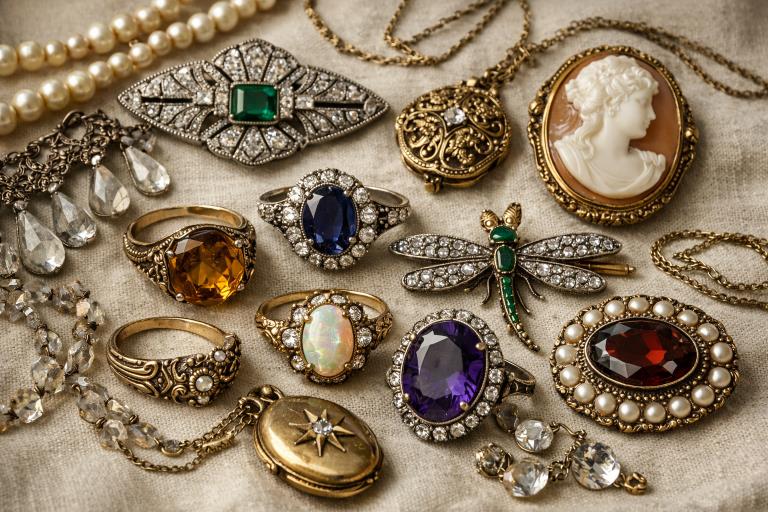
The Rise of Sustainable Luxury
The luxury landscape is shifting as sustainability becomes a top priority for consumers. In the jewelry world, the environmental and ethical impacts of mining have prompted buyers to seek other ways to add beauty to their collections while minimizing harm. Antique jewelry stands out not only for its aesthetic charm but also for its minimal environmental footprint. Shopping for historical pieces at a specialized decorative arts auction is one way collectors and style enthusiasts alike are reducing their ecological impact while elevating their wardrobes. This growing interest in vintage and antique adornments speaks to a collective desire for longevity, ethical sourcing, and individuality. As people become more aware of how jewelry materials are sourced, the value of pre-owned, storied pieces continues to rise, making antique jewelry a respected leader in sustainable luxury.
Antique Jewelry: A Sustainable Choice
In contrast to newly mined jewelry, antique pieces are sought after because they already exist and require no additional resource extraction. Opting for reused gemstones and metals reduces demand for new mining, which carries well-documented environmental consequences such as habitat destruction and water pollution. Antique jewelry is recognized as inherently eco-friendly, making it an appealing choice for those who want their purchases to reflect their values. Collectors and everyday consumers alike are drawn to antiques because each piece has stood the test of time. The recycling of these treasures preserves not only precious metals and stones but also exceptional craftsmanship from eras when jewelry was predominantly handcrafted.
Upcycling: Blending Old with New
Modern jewelry designers are breathing new life into vintage elements through upcycling. By reimagining and rebuilding pieces around antique stones or settings, they create one-of-a-kind jewelry that blends the past with contemporary aesthetics. For example, designers may transform a Victorian-era brooch into a striking, modern necklace, or set family heirloom diamonds within minimalist rings that reflect today’s tastes. This approach not only reduces material waste but also gives customers the chance to own unique jewelry imbued with both heritage and modern design sensibilities. Upcycling is now a respected practice across the industry, touted by designers for its creative and ecological benefits.
Consumer Demand for Unique Stories
One influential driver behind the antique jewelry trend is consumers’ desire for meaningful stories and authentic craftsmanship. Unlike mass-produced pieces, every antique possesses its own sense of history, from the era-specific designs to the marks left by decades of wear. This personal narrative makes antique jewelry highly appealing, especially among millennials and Gen Z buyers who place a premium on individuality and sentiment. Vintage rings, brooches, and necklaces have become more than accessories; they are wearable stories, celebrated for both their uniqueness and sustainability.
Additionally, many consumers are turning to antique jewelry not only for its history but also for its investment value. Certain pieces, especially those from renowned periods such as Art Deco or Edwardian eras, continue to appreciate over time. This economic appeal, coupled with the environmental benefits, creates a compelling case for integrating antique jewelry into modern collections. As more people research the lineage and provenance of their jewelry, the connection they feel to each piece grows, often leading to a deeper appreciation for the artistry, symbolism, and fine details that go into its creation. Enthusiasts also enjoy sharing the stories behind their finds, creating a sense of community among collectors. Social media channels and online forums are filled with individuals celebrating unique discoveries, restoration journeys, and the creative ways they incorporate antiques into everyday wear. This communal aspect adds another meaningful layer, galvanizing a new generation of informed jewelry lovers.
Market Growth and Trends
The market for antique and vintage jewelry is experiencing significant growth, as evidenced by rising attendance at shows and auctions dedicated to collectible pieces. Not only are established collectors driving demand, but a new generation of fashion-forward shoppers is prioritizing both ethics and style. Events such as major New York City jewelry shows report increased participation from both buyers and sellers, emphasizing the sector’s expansion. This trend extends into the online marketplace, where reputable dealers and auction houses make it easier than ever to access rare pieces that might once have been reserved for insiders. The rise of social media is also exposing younger audiences to sustainable luxury, further fueling the popularity of antique jewelry.
Challenges and Considerations
Despite the many benefits of purchasing antique jewelry, there are important considerations for consumers. Authenticity should always be verified, ideally through certified appraisals and clear provenance records from trusted dealers. The quality of restoration and the materials used should also be carefully evaluated, since proper care ensures that each piece retains its beauty and value for generations to come. Understanding the craftsmanship, historical context, and value of antique jewelry empowers buyers to make informed, meaningful decisions. This knowledge not only enhances appreciation but also ensures responsible participation in the sustainable luxury movement.
Conclusion
Antique jewelry offers much more than timeless beauty; it provides a path to sustainability, ethical consumerism, and personal expression. As trends continue to favor the fusion of vintage and modern through upcycling and the renewed appreciation of historical craftsmanship, antique jewelry remains a vibrant symbol of enduring value and conscious luxury. Each piece carries a unique story, reflecting the artistry, culture, and traditions of a different era while offering a distinctive alternative to mass-produced accessories. Choosing antique jewelry also helps reduce demand for newly mined materials, supporting more environmentally responsible purchasing habits. Whether worn as a statement piece, family heirloom, or investment, antique jewelry combines elegance with meaning. Its lasting appeal ensures these treasured pieces are cherished across generations, making them both fashionable and thoughtful additions to any collection.