An efficiently operating heat pump can be a game-changer for your home’s comfort and energy bills. By adopting a few smart practices, you not only extend the lifespan of your system but also keep your energy consumption in check. For anyone experiencing performance issues or breakdowns, click here to learn more about timely repair solutions that restore efficiency.
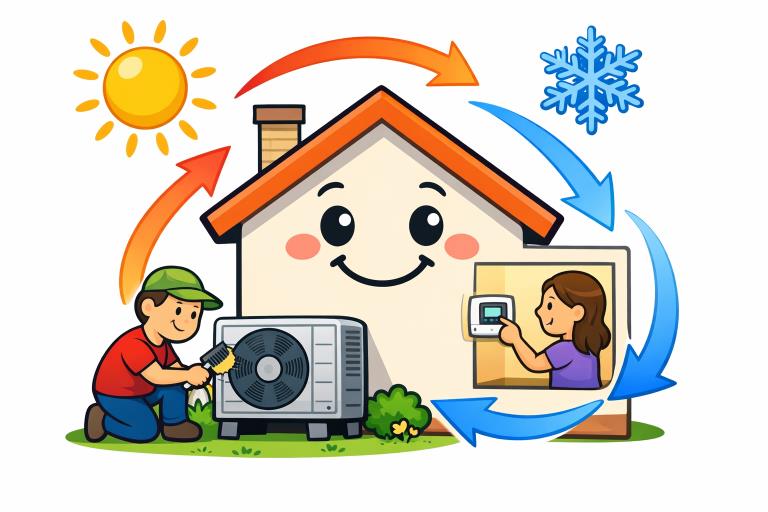
Heat pumps run year-round and are especially valuable in climates that require both heating and cooling, points out Realty Management Associates, Inc., a trusted provider of property management in Nampa. Whether you are a new heat pump owner or looking to get the most out of your current system, understanding the main factors influencing performance is essential for long-term savings and indoor comfort.
Many homeowners overlook routine care and system setup, leading to higher bills and frequent repairs. Applying proven techniques ensures not only lower operating costs but also a healthier indoor environment. Small, actionable steps can make a significant difference.
Besides regular upkeep, optimizing your home’s insulation and addressing small maintenance tasks can dramatically improve your system’s effectiveness. Combined with careful monitoring and professional support, you’ll enjoy optimal performance throughout the year.
For additional in-depth information about energy-saving strategies for home heating and cooling, visit this comprehensive guide from the U.S. Department of Energy.
Regular Maintenance
Ongoing maintenance is the cornerstone of reliable, efficient heat pump operation. Simple tasks, when performed consistently, safeguard against needless energy waste. Homeowners should focus on three main areas:
- Filter Care:Filters should be cleaned or replaced every one to three months. Dirty filters restrict airflow, forcing the system to work harder and reducing air quality indoors.
- Outdoor Unit Cleaning:Debris such as leaves or dirt can obstruct the outside unit. Maintain at least 18 inches of clearance around it to prevent blockages that hinder performance.
- Coil Maintenance:Outdoor coils accrue dirt and grime over time. Regular cleaning allows heat exchange to function efficiently, lowering stress on your system.
Neglecting these tasks can increase energy use by up to 25 percent, according to the U.S. Department of Energy.
Optimal Thermostat Settings
Setting your thermostat properly not only enhances comfort but also reduces unnecessary energy usage. Heat pumps tend to be less effective if constantly adjusted or allowed to interact with backup electric resistance heaters. The following recommendations can make a notable impact:
- Consistent Temperatures:A steady temperature setting helps avoid triggering less efficient backup heating. Sudden changes make the system switch modes frequently, which uses more energy.
- Appropriate Mode Selection:Always use the “Heat” or “Cool” mode instead of “Auto” mode. This prevents wasteful cycling between heating and cooling, especially during seasons with wide temperature swings.
Smart thermostats can further streamline energy savings by maintaining consistent and efficient use patterns.
Ensuring Proper Airflow
Your heat pump’s performance relies on unobstructed airflow both indoors and outdoors. Blockages reduce efficiency and can even cause system failures over time. Adopting the following strategies keeps your heat pump running smoothly:
- Indoor Airflow:Supply and return registers should be checked regularly. Make sure they are free of dust, and do not allow furniture or drapes to block them.
- Outdoor Clearance:Keep two to three feet of open space around the outside unit. Clear away grass, shrubs, snow, and any other obstructions, especially during changing seasons.
Small actions like these support even air distribution and help your heat pump maintain stable temperatures with minimal effort.
Scheduling Professional Inspections
Routine professional inspections are key to discovering issues before they disrupt comfort or cause expensive damage. Annual visits from a certified technician allow for:
- Cleaning and checking internal components such as ducts, filters, and coils to prevent common performance issues.
- Verifying refrigerant levels and scanning for possible leaks, which can sap efficiency and result in long-term damage.
- Inspecting electrical connections and component operation for safety and reliability.
Proactive maintenance ensures consistent comfort and reduces the risk of major repairs or replacements.
Seasonal weather shifts can place unexpected stress on cooling components, causing efficiency drops or sudden performance issues during warmer months. Homeowners who notice uneven cooling or strange mechanical noises often rely on professional ac repair in Toronto to restore proper system operation and prevent minor component wear from turning into costly emergency service calls.
Improving Home Insulation and Sealing
Even a perfectly maintained heat pump will struggle if your home is not properly insulated. Air leaks and poor insulation force heating and cooling systems to work much harder than necessary. Boost your system’s efficiency with two key steps:
- Sealing Leaks:Apply caulk or weatherstripping to any visible cracks around windows and doors. Addressing these leaks prevents conditioned air loss and temperature swings.
- Upgrading Insulation:Enhancing attic and wall insulation improves your home’s ability to retain heat during winter and stay cool during summer.
Proper insulation and sealing can help you maximize savings while reducing the system’s workload.
Conclusion
Maintaining your heat pump and optimizing its surroundings can significantly reduce costs, improve comfort, and lengthen equipment lifespan. Regular system care, mindful thermostat settings, free airflow, professional inspections, and a well-insulated home form the foundation of reliable, efficient heating and cooling. Implementing these best practices means enjoying a comfortable indoor environment year-round with minimal energy waste.