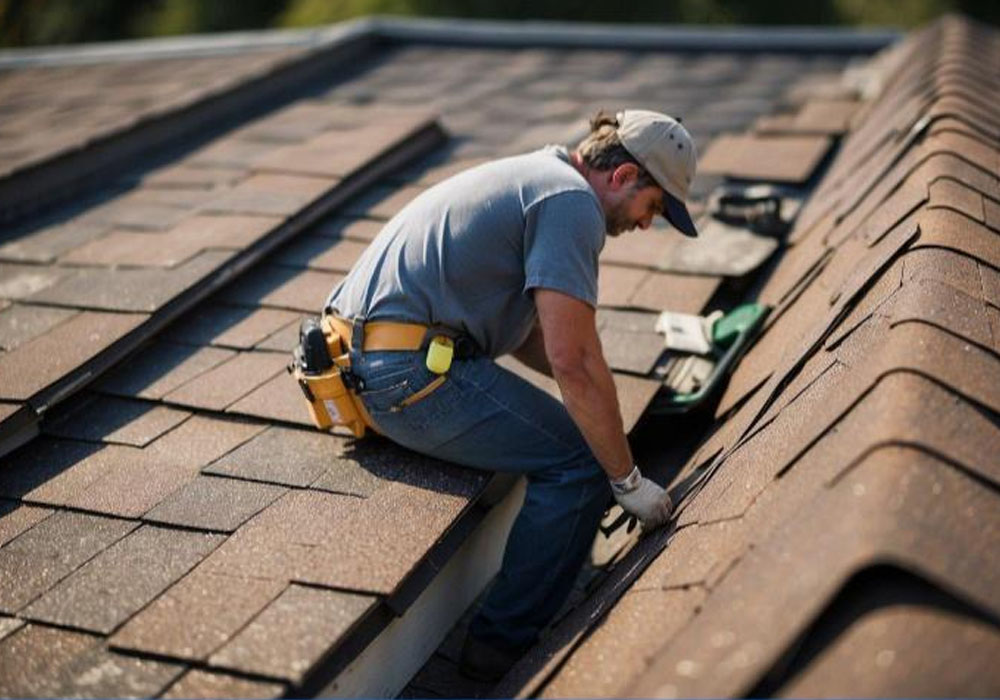
A failing commercial roof does more than allow water inside a building. It can interrupt business operations, increase operating expenses, and create unexpected financial pressure. Planning the budget before a roof repair project begins helps property owners avoid costly surprises and protect their investment.
A careful review of the roof’s condition creates a stronger starting point for every repair project. Previous roof inspection reports and a reliable commercial roof maintenance Service provide valuable information about recurring concerns and the true scope of roof repairs. The following budgeting tips explain how to prepare financially before roofing contractors begin work.
Assess the Current Roof Maintenance Service
The first step is reviewing the property’s roof maintenance history instead of estimating costs based only on visible roof damage. Roof inspection reports, repair records, and maintenance logs reveal patterns that help determine if the issue requires a localized roof repair or a broader solution. A recurring roof leak, damaged flashing, or drainage problem may indicate underlying roof system concerns rather than an isolated defect. This information allows contractors to prepare a more accurate repair estimate and helps property owners establish a practical project budget.
Review These Roof Maintenance Records Before Budgeting
A review of past maintenance documents provides a clearer picture of the roof’s condition and helps create a more accurate repair budget. Here are the key records that deserve attention before requesting repair estimates:
- Previous roof inspection reports and documented recommendations
- Records of roof leaks and completed repair history
- Maintenance schedules for drains, flashing, and roof membrane
- Photos showing roof damage from recent weather events
- Warranty documents covering roofing materials or workmanship
- Reports identifying recurring drainage or ponding water issues
Prioritize Immediate Fixes vs. Long-Term Upgrades
Every roof issue does not require immediate attention. Separating essential roof repairs from planned improvements helps businesses control current expenses while protecting the roofing system from further deterioration. Active roof leaks, damaged flashing, drainage failures, loose membrane sections, and structural concerns deserve priority because they directly affect the building’s protection. Appearance upgrades or optional roof enhancements can remain part of a future capital improvement budget after critical repairs have been completed.
Factor in a Percentage of the Contingency Fund
Even a thorough roof inspection cannot reveal every hidden condition beneath the roofing system. Once contractors remove damaged roofing materials, additional repairs may become necessary. Setting aside a contingency fund of approximately 10% to 15% gives property owners greater financial flexibility without disrupting the overall repair budget.
Common Hidden Costs May Include
- Hidden moisture or mold beneath roofing materials
- Building code updates required to meet current local regulations
- Permit and inspection fees before project completion
Preparing for these possibilities helps roof repair projects continue smoothly without unexpected financial strain.
Account for Business Interruption Costs
Commercial roof repairs involve more than labor and materials. Work on the roof may temporarily affect parking access, loading areas, employee productivity, customer convenience, or daily business operations, depending on the project schedule. Budgeting for these indirect expenses allows property owners to reduce disruptions while keeping business activities running as efficiently as possible. Coordinating roof repair work with the contractor can also help minimize interruptions throughout the project.
Compare Vetted Bids Instead of the Lowest Price
Selecting the lowest proposal simply because it costs less can create larger expenses later. A detailed commercial roof repair estimate should clearly explain the repair scope, roofing materials, labor charges, cleanup, disposal costs, project timeline, and warranty details. Comparing complete proposals helps property owners evaluate long-term value instead of focusing only on the final price. A transparent estimate also reduces misunderstandings once roof work begins and supports better financial planning.
Smart budgeting before a roof repair project protects both the building and the business’s financial stability. Careful planning, accurate roof assessments, and a reasonable contingency reserve help property owners prepare for expected and unexpected expenses with greater confidence. Maintaining a consistent commercial roof maintenance Service schedule also reduces future roof repair costs by identifying developing issues early. Contact a trusted roofing professional today for a transparent roof inspection and detailed project estimate.