Fire incidents can leave homes and businesses damaged, disrupting lives and causing immense stress. In recent years, significant technological and methodological advancements have dramatically improved how the industry tackles fire damage restoration. These innovations not only restore properties faster but also provide more comprehensive, effective, and sustainable solutions for property owners.
Whether dealing with smoky residues, water infiltration from firefighting efforts, or structural instability, today’s restoration professionals have a robust set of tools at their disposal. From state-of-the-art drying equipment to detailed 3D documentation, the landscape has evolved far beyond past approaches, making the fire restoration process safer and more efficient. By leveraging technological advancements, property owners receive better protection, and restoration companies can deliver superior results while adhering to environmental standards.
Beyond rapid repairs, these methods offer additional benefits such as enhanced detection of underlying problems and improved documentation for insurance purposes. For those navigating the aftermath of a fire, partnering with restoration experts who utilize innovative approaches is crucial to achieving a thorough and lasting recovery.
As fire events become more prevalent in certain regions, understanding the new tools and standards in the restoration industry has never been more important for property owners, insurers, and contractors alike. Staying informed about these changes ensures the best possible outcomes for all involved.
Advanced Drying Technologies Lead the Way
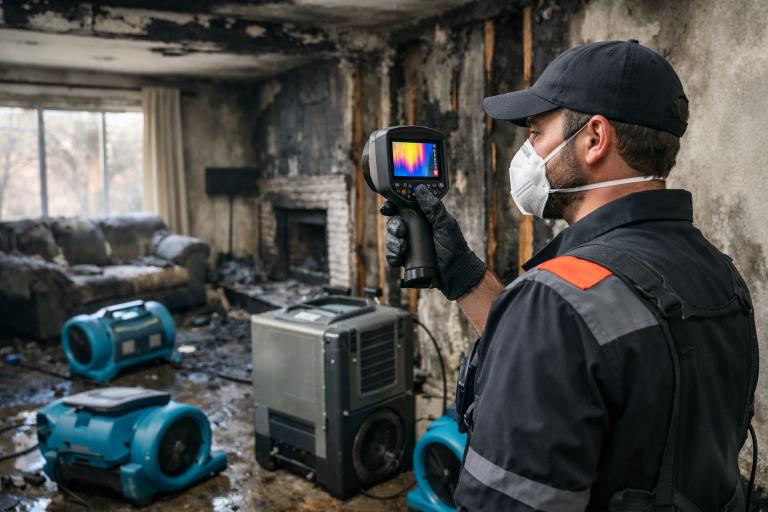
One of the earliest concerns after a fire is moisture infiltration, which may occur through firefighting or weather exposure after the structure is compromised. Traditional air drying was often slow and left residual moisture, which led to mold growth and further deterioration. Today, desiccant dehumidifiers and high-capacity air movers rapidly dry affected areas. These devices can remove moisture from porous materials and hidden recesses faster than traditional methods, reducing the time buildings remain at risk for secondary damages and ensuring a healthier indoor environment post-restoration. Coupled with infrared cameras, restoration teams can now detect and address moisture pockets that would otherwise go unnoticed.
Thermal Imaging for Invisible Threats
Thermal imaging technology represents a profound shift in fire restoration methodology. By capturing subtle temperature differences across surfaces, technicians can pinpoint hidden pockets of moisture and structural weaknesses behind walls, ceilings, and floors. Early detection enables targeted drying protocols, avoiding unnecessary demolition and repair work. This proactive approach not only preserves more of the original structure but also accelerates the overall restoration timeline. Media reports on platforms like Forbes have highlighted the impact of thermal imaging in disaster recovery.
3D Imaging and Mapping Set New Standards
Restoration companies now integrate 3D imaging and mapping technologies during the assessment phase. These tools create highly accurate spatial records of the property’s layout and current condition, which are invaluable to insurers and adjusters validating claims. Restoration teams use 3D scans to create digital floor plans and immersive models that document everything from structural integrity to the precise locations of damage. This data-driven approach enhances transparency, enables clearer communication among stakeholders, and drastically reduces the likelihood of disputes during the claims process.
Hydroxyl Generators Eliminate Odors Without Chemicals
Lingering odors caused by burnt materials and smoke residue are among the most persistent challenges in fire restoration. Historically, chemical foggers and ozone treatments were used to neutralize these smells, but concerns about occupant safety and environmental impact have driven demand for safer solutions. Hydroxyl generators provide an alternative by generating hydroxyl radicals that break down volatile organic compounds responsible for most odors. This approach is safe for occupied environments and leaves no harmful residue, making it increasingly popular with both professionals and clients seeking healthier post-restoration spaces.
Eco-Friendly Materials and Sustainable Practices
There is a growing focus within fire restoration on eco-friendly approaches that address both property and environmental health. Modern cleaning gels and coatings, often made from renewable materials or recycled content, replace harsher chemicals previously used in this sector. Products like polyvinyl alcohol-based gels remove stubborn residues from sensitive surfaces without degrading the underlying material. This shift toward sustainable methods extends even to waste management, with more companies adopting recycling protocols for materials removed from fire sites and minimizing landfill contributions.
Industry Organizations and Technical Guidance
To ensure safe, consistent, and scientifically-backed restoration work, leading industry groups such as the Institute of Inspection, Cleaning, and Restoration Certification (IICRC), the Restoration Industry Association (RIA), and the Cleaning Industry Research Institute (CIRI) have published comprehensive technical guides. These guides address the latest research on physical and environmental safety and provide step-by-step protocols for assessing and restoring fire-damaged properties. They also offer valuable clarity to policyholders and contractors navigating insurance claims and compliance requirements. Widespread adoption of these guidelines has helped eliminate confusion and set higher standards for every restoration project.
Conclusion
Recent advancements in technology and methodology have brought transformative change to the fire restoration industry. Sophisticated drying equipment, thermal imaging, detailed 3D mapping, chemical-free deodorization, and eco-conscious products all reflect a commitment to more efficient, thorough, and responsible restoration. Supported by clear, scientific technical guides, these innovative approaches are empowering restoration professionals to deliver safer, faster, and more sustainable results, helping communities recover from fire damage with greater confidence and peace of mind.